
What Is Ergonomic Footwear and Why It Matters
Most people are surprised to learn that over 80 percent of adults experience foot pain at some point in their lives, especially in busy british cities where walking is a daily routine. The right footwear makes all the difference in comfort, joint health, and overall wellbeing. This guide debunks common myths around ergonomic footwear and reveals the science-backed features that truly set supportive shoes apart from regular ones.
Table of Contents
- Defining Ergonomic Footwear And Common Myths
- Core Features And Foot Health Benefits
- Types Of Ergonomic Footwear Explained
- How Ergonomic Shoes Differ From Regular Shoes
- Choosing Ergonomic Shoes: Avoiding Common Mistakes
Key Takeaways
| Point | Details |
|---|---|
| Understanding Ergonomic Footwear | Ergonomic footwear is designed to prioritise biomechanics, comfort, and foot health, offering support and optimal weight distribution. |
| Myths and Misconceptions | Many believe ergonomic shoes are unattractive or only for those with foot problems, but they combine aesthetics with advanced support features. |
| Benefits of Proper Design | Well-designed ergonomic shoes can prevent common foot conditions and promote long-term musculoskeletal health through targeted features. |
| Importance of Selection | Choosing the right ergonomic shoes involves considering fit, arch support, and specific activity needs over mere aesthetics or price. |
Defining Ergonomic Footwear and Common Myths
Ergonomic footwear represents a specialised approach to shoe design that prioritises human biomechanics, comfort, and foot health. Far more than a fashion statement, these shoes are engineered to support natural foot movement, distribute body weight effectively, and minimise stress on joints and muscles. Unlike traditional footwear that often sacrifices comfort for style, ergonomic shoes integrate scientific understanding of human anatomy with advanced design principles.
The core philosophy behind ergonomic footwear centres on understanding how feet function during movement. These shoes are meticulously crafted to accommodate the foot’s natural arch, provide precise heel and toe support, and create optimal weight distribution. By understanding foot biomechanics, designers can create shoes that reduce strain and potential injury risks during walking, running, or standing for extended periods.
Despite their significant benefits, several persistent myths surround ergonomic footwear. Many people mistakenly believe these shoes are exclusively for individuals with existing foot conditions or are inherently unattractive. In reality, modern ergonomic designs blend scientific precision with contemporary aesthetics. Another common misconception is that ergonomic shoes are prohibitively expensive. While high-quality options might represent a higher initial investment, they often provide superior durability and long-term health benefits that offset their cost.
Key characteristics that distinguish genuine ergonomic footwear include:
- Contoured insoles that match natural foot curvature
- Shock-absorbing materials in critical pressure zones
- Flexible yet supportive construction
- Breathable materials promoting foot health
- Tailored arch support matching different foot types
Understanding these nuanced design elements helps consumers make informed choices about their footwear, recognising that true ergonomic shoes are a proactive investment in personal comfort and long-term musculoskeletal wellness.
Core Features and Foot Health Benefits
Foot health is fundamentally connected to the quality and design of footwear we choose. Performance shoes designed with advanced biomechanical principles represent a critical intersection between comfort, support, and long-term musculoskeletal wellness. Modern ergonomic footwear goes far beyond basic protection, actively contributing to our overall physical well-being through sophisticated design elements.
Research highlights several critical features that distinguish high-quality supportive footwear. Soft cushioning insoles provide essential shock absorption, reducing stress on joints during movement. Breathable materials play a crucial role in foot health by managing moisture and preventing bacterial growth. Firms heel counters offer critical stability, while low heels help minimise unnecessary strain on ankles and lower back.
Beyond physical comfort, ergonomic footwear delivers profound health benefits. Properly designed shoes can prevent common foot conditions like plantar fasciitis, reduce the risk of chronic joint pain, and support natural foot alignment. The strategic construction of these shoes considers multiple factors:
- Anatomically contoured insoles
- Shock-absorbing mid-soles
- Flexible yet supportive arch support
- Wide toe boxes allowing natural toe splay
- Moisture-wicking interior materials
By prioritising biomechanical design, ergonomic footwear transforms shoes from mere protective coverings into sophisticated tools for maintaining optimal foot health and preventing potential long-term musculoskeletal complications.
Types of Ergonomic Footwear Explained
Footwear technology has evolved dramatically, offering diverse ergonomic solutions tailored to specific movement needs and foot health requirements. Understanding the various types of ergonomic footwear can help individuals make informed choices that support their unique physiological demands and lifestyle preferences.
One fascinating category is minimalist shoes, designed to closely mimic barefoot walking conditions. These innovative shoes feature high flexibility, minimal cushioning, and an extremely low heel-to-toe drop, encouraging natural foot muscle engagement and promoting more authentic biomechanical movement patterns. By allowing toes to spread naturally and providing minimal interference with foot mechanics, minimalist shoes challenge traditional supportive footwear paradigms.
Another significant ergonomic footwear design is the rocker bottom shoe, characterised by its distinctive thick, curved sole that facilitates a rolling motion during walking. This unique design strategically reduces pressure on specific foot areas and provides exceptional assistance for individuals with limited joint mobility or specific foot conditions. The rounded sole helps distribute body weight more evenly, minimising strain and promoting more comfortable movement.
Ergonomic footwear categories encompass a wide range of specialised designs:
- Minimalist/Barefoot Shoes
- Rocker Bottom Shoes
- Orthopedic Support Shoes
- Athletic Performance Shoes
- Therapeutic Rehabilitation Footwear
By understanding these diverse ergonomic footwear types, individuals can select shoes that not only provide comfort but actively contribute to their overall foot health and biomechanical efficiency.
How Ergonomic Shoes Differ from Regular Shoes
Orthotic shoe design represents a paradigm shift from traditional footwear, transforming shoes from mere protective coverings to sophisticated biomechanical support systems. While regular shoes often prioritise aesthetic appeal, ergonomic footwear is engineered with scientific precision to support human movement and physiological needs.
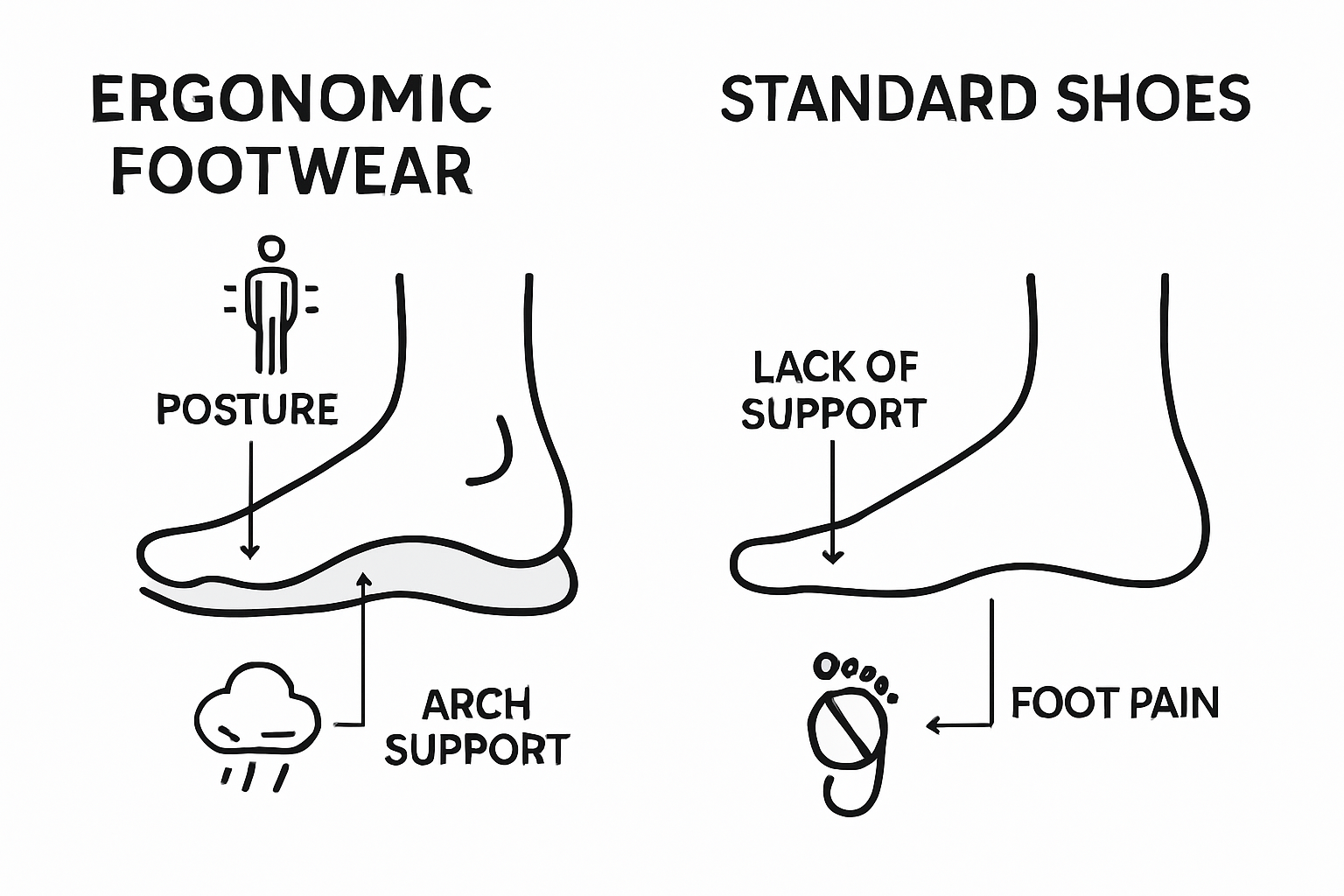
Traditional footwear typically follows a generic design approach, whereas ergonomic shoes are meticulously crafted based on comprehensive understanding of foot biomechanics. Key distinguishing features include strategic arch support that mirrors the foot’s natural curvature, specialised cushioning to absorb impact, and materials engineered for flexibility and breathability. These design elements work synergistically to reduce strain on feet, ankles, knees, and lower back.
The fundamental differences between ergonomic and regular shoes extend beyond surface-level comfort. While standard shoes often compromise foot health for style, ergonomic footwear integrates advanced biomechanical principles. Advanced design elements include:
- Precise arch support matching foot’s natural curve
- Impact-absorbing heel cushioning
- Flexible soles that synchronise with natural stride
- Breathable materials reducing moisture build-up
- Weight distribution mechanisms
By prioritising human anatomy and movement dynamics, ergonomic shoes represent a holistic approach to footwear that actively promotes foot health and overall physical well-being.
Choosing Ergonomic Shoes: Avoiding Common Mistakes
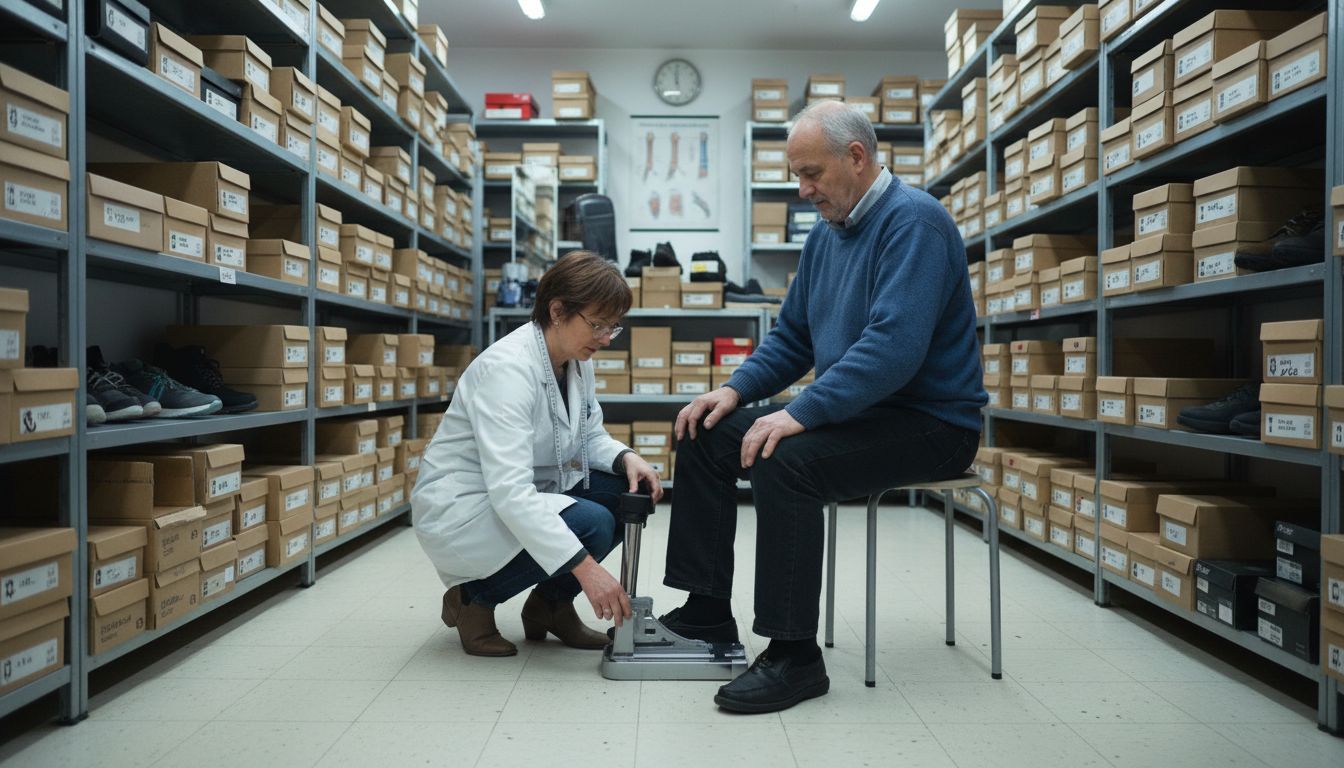
Selecting the right ergonomic footwear requires more nuanced consideration than simply picking an attractive or affordable pair. Shoes designed for problem feet demand careful evaluation of individual biomechanical needs and precise fit characteristics that support long-term foot health.
Foot health experts emphasise that common selection mistakes often stem from prioritising aesthetic appeal or price over functional design. Consumers frequently overlook critical factors such as arch support, material flexibility, and activity-specific requirements. These oversights can lead to discomfort, increased strain on feet and joints, and potential long-term musculoskeletal complications.
To make informed choices, individuals should consider multiple critical elements when selecting ergonomic footwear:
- Precise foot measurement and sizing
- Comprehensive arch support matching individual foot structure
- Appropriate cushioning for intended activity level
- Material breathability and flexibility
- Compatibility with specific foot conditions or biomechanical challenges
By understanding shoe selection principles, consumers can transform shoe shopping from a purely aesthetic decision to a strategic investment in personal physical well-being.
Discover the Power of Ergonomic Footwear for Your Everyday Comfort
If you are tired of shoes that cause discomfort or fail to support your feet properly, it is time to explore footwear designed with your foot health in mind. The challenge of finding shoes that combine scientific biomechanical support with stylish design is real, but you do not have to compromise. Ergonomic shoes focus on precise arch support, shock absorption, and optimal weight distribution to reduce strain on your joints and enhance comfort throughout your day.
Experience the next level of comfort with YDA Technology offering high-performance footwear crafted to meet your unique needs. Whether you seek shoes for everyday wear or specialised support, visit https://ydauk.com today to browse our selection of scientifically designed shoes. Do not wait to invest in your long-term foot health and enjoy every step with confidence and style.
Frequently Asked Questions
What is ergonomic footwear?
Ergonomic footwear is a specialised type of shoe designed to prioritise comfort, foot health, and natural foot movement by incorporating principles of human biomechanics.
How does ergonomic footwear differ from regular shoes?
Unlike regular shoes, which often focus on aesthetics, ergonomic footwear is engineered to provide precise arch support, shock absorption, and proper weight distribution, reducing strain on feet and joints.
What are the benefits of wearing ergonomic shoes?
Wearing ergonomic shoes can prevent common foot conditions, reduce chronic joint pain, and support natural foot alignment, ultimately contributing to overall physical well-being.
What types of ergonomic footwear are available?
Ergonomic footwear encompasses various types, including minimalist shoes, rocker bottom shoes, orthopedic support shoes, athletic performance shoes, and therapeutic rehabilitation footwear.
Recommended
- Footwear Technology Explained: Comfort and Performance – YDA UK
- The Essential Guide to the Role of Footwear Technology – YDA UK
- Role of Footwear in Daily Comfort: Complete Guide – YDA UK
- Orthotic Shoes: Everything You Need to Know – YDA UK
- Complete Guide to Ergonomic Office Furniture - Projector Display
- Understanding Ergonomics in the Workplace – Mats4U USA