
Choosing stylish ergonomic shoes: your 2026 guide
TL;DR:
- Stylish ergonomic shoes blend anatomical support with modern design, ensuring foot health during daily wear. Proper structural features like firm heel counters, arch support, and appropriate heel-to-toe drop are essential for support and comfort. Rotating shoes and replacing them regularly prolong their supportive function and prevent foot pain.
Stylish ergonomic shoes are defined as footwear that combines anatomical support structures with contemporary design to protect foot health during everyday wear. Choosing stylish ergonomic shoes is no longer a compromise between looking good and feeling well. Brands like Vionic, Hoka, and New Balance have proved that podiatrist-approved architecture and modern aesthetics can coexist in the same pair. The challenge is knowing which structural features actually matter, which styles deliver on both counts, and how to avoid the traps that leave your feet aching by midday.
What features make shoes ergonomically supportive and stylish?
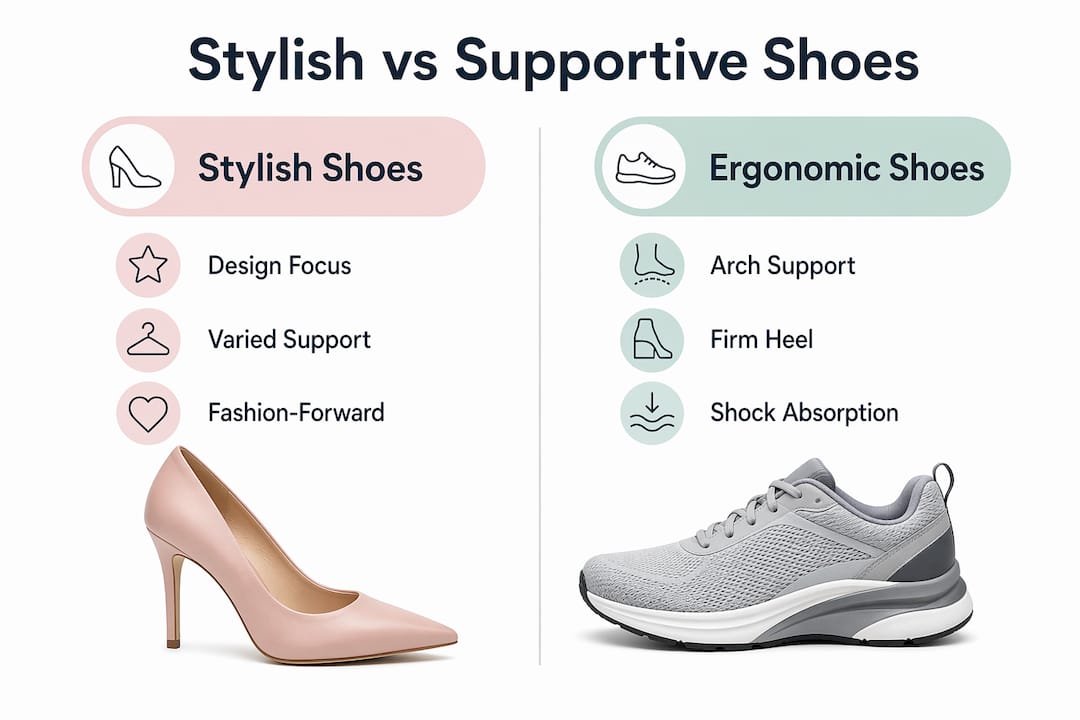
Ergonomic footwear, the recognised industry term for what consumers often call “comfort shoes,” is built around four structural pillars: anatomical arch support, a firm heel counter, a shock-absorbing midsole, and a sole that resists folding or twisting. Rocker soles and firm heel counters reduce compensatory strain on hips and the lower back. That matters because poor footwear mechanics do not just cause foot pain; they create a chain reaction up through the knees and spine.
Heel-to-toe drop and sole rigidity
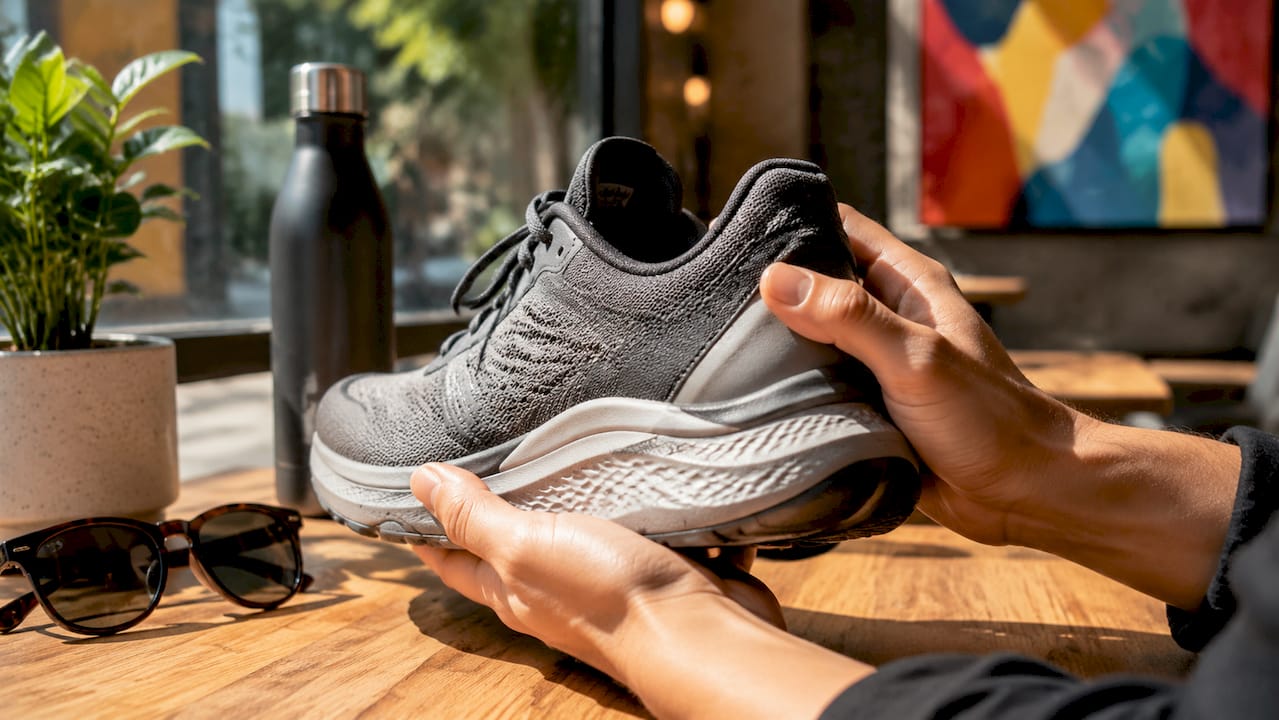
Heel-to-toe drop is the height difference between the heel and the forefoot inside the shoe. Supportive daily sneakers typically feature a heel-to-toe drop of 7mm–9mm, which positions the foot in a neutral gait posture. A drop that is too low forces the Achilles tendon to work harder; a drop that is too high shifts weight onto the forefoot. Sole rigidity is equally telling. Grip the shoe at the toe and heel and try to fold it in half. A well-built ergonomic shoe resists that fold firmly.
What to avoid
Flat, unsupportive styles are the most common offenders. Ballet flats, flip-flops, and thin-soled canvas shoes offer virtually no arch support or heel stability. Podiatrists recommend avoiding minimalistic or overly flexible shoes, particularly for anyone with flat feet or overpronation, because the lack of a structured midsole accelerates fatigue and joint stress. Memory foam insoles feel plush initially but compress quickly and offer little lasting structural benefit.
- Anatomical arch support: Cradles the medial arch and reduces overpronation
- Firm heel counter: The rigid cup at the back controls rearfoot motion
- Shock-absorbing midsole: Disperses impact energy across the foot
- Rocker sole: Guides the foot through a natural gait cycle
- Sole stiffness: Resists twisting to protect midfoot joints
Pro Tip: Grip the heel counter of any shoe you are considering and squeeze it. If it collapses easily under light pressure, it will not hold your foot stable during a full day of walking.
Which styles of fashionable supportive shoes work best?
The best ergonomic footwear options now span nearly every dress code. Vionic, Hoka, and Brooks combine podiatrist-approved arch support with modern silhouettes, making them credible choices for both casual and smart-casual settings. The Vionic Uptown Sneaker, for instance, pairs a clean white leather upper with a built-in orthotic footbed, making it one of the more convincing crossovers between fashion and function currently available.
Sneakers remain the most versatile category. Athletic silhouettes from Adidas, such as the SL 72, and performance-oriented styles from Asics and Brooks carry the structural rigidity of running shoes into everyday wear. Running shoes provide the best support across daily activities compared to casual or walking-only shoes, due to their structural rigidity and cushioning systems. That finding should shift how you think about “smart casual” dressing. A clean, low-profile running shoe often outperforms a dedicated “walking shoe” on every ergonomic measure.
Sandals, loafers, and slingbacks
Sandals with contoured footbeds, such as those from Vionic or Birkenstock, deliver genuine arch support without sacrificing summer style. Loafers with cushioned insoles and a slight heel elevation work well for office environments. Slingbacks with a structured toe box and a modest block heel distribute weight more evenly than pointed-toe stilettos. The key across all these styles is that the sole must not flex excessively at the midfoot.
| Style | Support Features | Fashion Appeal | Typical Cost |
|---|---|---|---|
| Supportive sneaker | Firm midsole, heel counter, arch support | High, works with casual and smart-casual | £80–£160 |
| Contoured sandal | Moulded footbed, arch cradle | Moderate, seasonal | £60–£130 |
| Structured loafer | Cushioned insole, slight heel elevation | High, office-appropriate | £70–£150 |
| Block-heel slingback | Stable heel, structured toe box | High, smart-casual | £75–£180 |
| Athletic trainer | Rocker sole, shock-absorbing midsole | Moderate to high | £90–£200 |
Materials matter too. Full-grain leather and breathable mesh uppers hold their shape over time and accommodate the foot’s natural swelling throughout the day. Synthetic materials can look sharp but often lack the give needed for all-day comfort.
How do you choose the best ergonomic shoes for your needs?
The buying process for ergonomic footwear options follows a clear sequence. Most consumers skip straight to aesthetics and then wonder why their feet ache. Start with structure, then filter by style.
- Check sole stiffness first. Hold the shoe at both ends and attempt to fold it. A good ergonomic shoe resists firmly at the midfoot.
- Squeeze the heel counter. It should feel rigid. A collapsing heel counter is a reliable sign of poor rearfoot control.
- Assess the arch support. Press your thumb into the insole at the arch. There should be a raised, firm contour, not a flat surface.
- Measure the heel-to-toe drop. Ask in-store or check the brand’s specification sheet. Aim for 7mm–9mm for daily wear.
- Try shoes on in the afternoon. Feet swell by up to half a size during the day. Shoes that fit perfectly at 9am may pinch by 3pm.
- Walk on a hard floor, not carpet. Carpet masks instability. A hard surface reveals whether the shoe rolls naturally or forces your foot to compensate.
- Check orthotic compatibility. If you use custom orthotic inserts, remove the stock insole and confirm the insert sits flat without raising your heel above the collar.
Orthotics vs built-in support
Custom orthotics require a supportive shoe base to function correctly. Placing an orthotic insert into a flimsy shoe can cause overcorrection and create tendon pain on the outer edge of the foot. The shoe’s own structure is not optional; it is the foundation the orthotic relies on. For most people without a diagnosed condition, a well-built shoe with integrated arch support is sufficient. For those with flat feet, high arches, or plantar fasciitis, a podiatrist assessment before purchasing is worth the time.
Pro Tip: When comparing two shoes of similar style, always choose the one with the firmer midsole. Softness feels appealing in the shop but structural integrity is what protects you after six hours on your feet.
What are the common pitfalls when buying ergonomic footwear?
The single most common mistake is choosing shoes based on initial softness. True ergonomic benefits come from firm structural support, not from a plush feel that compresses within weeks. A shoe that feels like walking on a cloud on day one may offer almost no support by month two. This is the trap that sends people back to the shop wondering why their “comfortable” shoes are causing back pain.
Recognising when your shoes have failed
Worn-out shoes are a leading cause of preventable foot and knee pain. The midsole compresses long before the outsole shows visible wear, which means a shoe can look fine while offering almost no cushioning or support. Replace ergonomic footwear every 500–800 kilometres of walking, or roughly every 12 months for daily wearers.
Rotating two to three pairs of shoes weekly reduces foot fatigue by allowing materials to recover between uses and distributing pressure across different points. This is not a luxury habit. It is a practical way to extend the life of each pair and reduce repetitive stress on identical pressure points.
- Avoid wearing the same pair daily. Rotation preserves cushioning and reduces fatigue.
- Replace shoes on a schedule, not by appearance. Midsoles degrade invisibly.
- Do not ignore new pain. Discomfort in the Achilles, outer ankle, or lower back after buying new shoes signals a structural mismatch.
- Consult a podiatrist if pain persists beyond two weeks. Persistent discomfort may indicate a need for custom orthotics or a different shoe category entirely.
“The shoe’s integrity is the foundation everything else rests on. An orthotic in a flimsy shoe is like a good mattress on a broken bed frame.” — Podiatric guidance on orthotic shoe compatibility
Key takeaways
Choosing stylish ergonomic shoes requires prioritising firm structural features first, then filtering by aesthetics, because support determines long-term foot health while style determines whether you actually wear them.
| Point | Details |
|---|---|
| Structure before softness | Firm heel counters and rigid midsoles protect feet far better than plush cushioning alone. |
| Heel-to-toe drop matters | Aim for a 7mm–9mm drop for neutral gait posture during daily wear. |
| Rotate your pairs | Wearing two to three pairs weekly extends shoe life and reduces repetitive foot stress. |
| Orthotics need a solid base | Custom inserts only work correctly when placed in a structurally sound shoe. |
| Style and support coexist | Brands like Vionic, Hoka, and Brooks offer podiatrist-approved designs with genuine aesthetic appeal. |
Why i think most people are shopping for ergonomic shoes backwards
After years of writing about footwear and speaking with podiatrists, I am convinced that the majority of people approach ergonomic shoe shopping in entirely the wrong order. They start with colour, silhouette, and price, then hope the comfort follows. It rarely does.
The brands that genuinely get this right, Vionic, Hoka, and increasingly Ydauk with its YDA Technology approach, build the structural architecture first and design around it. That is the opposite of what most high-street brands do. The result is a shoe that looks considered rather than clinical, and that is the distinction worth paying for.
What I find most underappreciated is the rotation principle. Wearing the same pair every day is not just hard on your feet; it is hard on the shoe. The materials never recover. I have seen people spend £150 on a well-built pair and then wear them into the ground within four months because they never gave them a rest. Two pairs worn alternately will outlast three pairs worn consecutively.
My honest recommendation is to treat your shoe budget the way you would treat any health investment. Spend more, buy fewer pairs, rotate them properly, and replace them on a schedule. The orthopaedic footwear advantages are real, but only if the shoe is still structurally sound when you are wearing it.
— Panagiotis
How YDA technology delivers ergonomic style in every step
Ydauk was built around a single conviction: that foot health technology and contemporary design are not competing priorities.
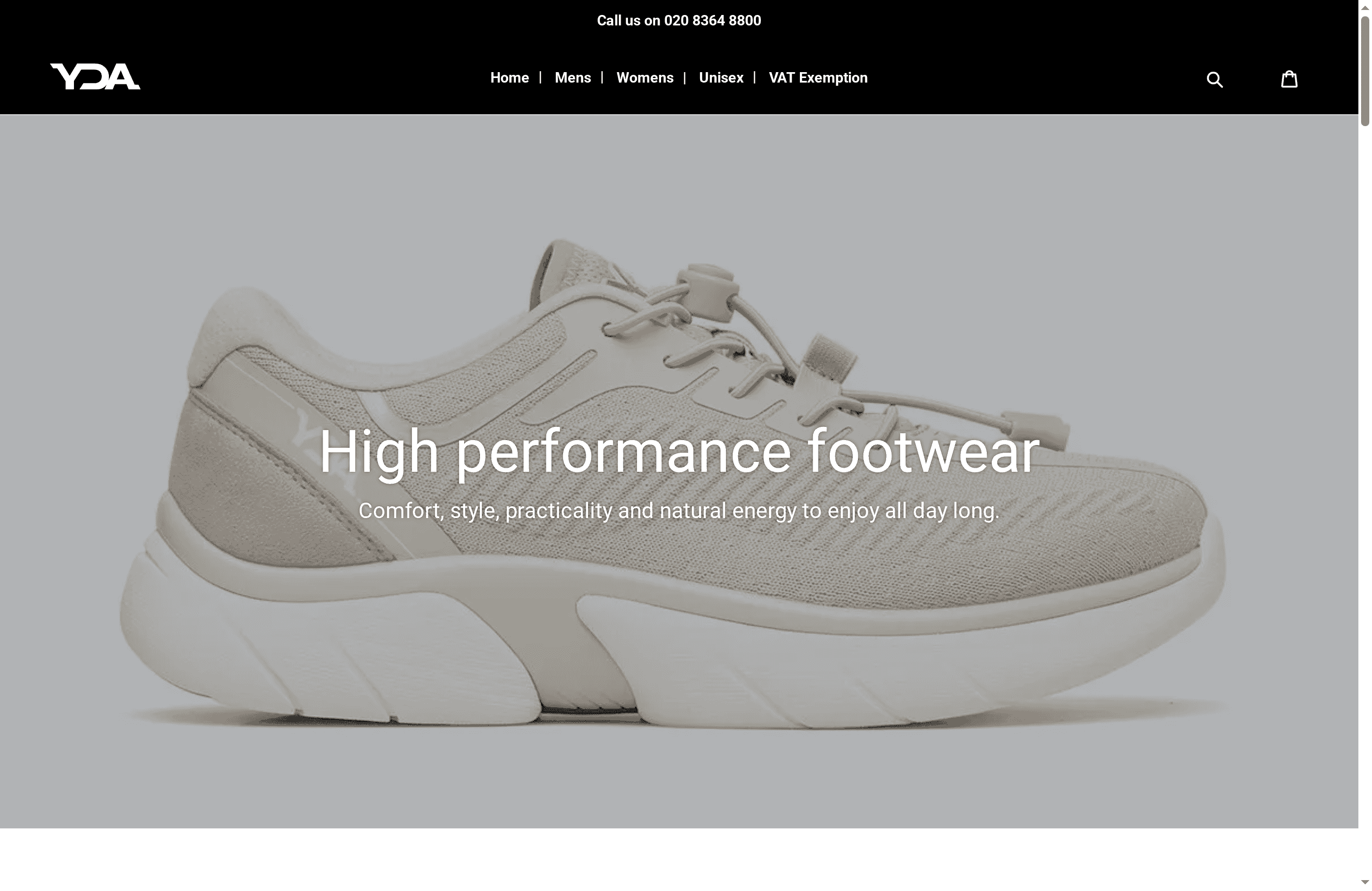
The YDA shoe technology integrates anatomical arch support, multi-density shock absorption, and a structured heel counter into silhouettes that work for daily life, not just the gym. Every design decision starts with biomechanical function and resolves into a shoe you would actually want to wear. If you are ready to move past the compromise between style and support, Ydauk’s range is built precisely for that.
FAQ
What makes a shoe truly ergonomic?
A truly ergonomic shoe features a firm heel counter, anatomical arch support, a shock-absorbing midsole, and a sole that resists folding at the midfoot. These structural elements work together to support natural gait and reduce strain on the feet, knees, and lower back.
Are stylish walking shoes as supportive as athletic trainers?
Not always. Running shoes generally provide stronger structural support than dedicated walking or casual styles due to their firmer midsoles and heel counters. For all-day wear, a clean athletic trainer from a brand like Hoka or Brooks often outperforms a purpose-labelled walking shoe.
How often should i replace ergonomic footwear?
Replace ergonomic shoes every 500–800 kilometres of walking, or approximately every 12 months for daily wearers. Midsoles compress and lose their supportive properties long before the outsole shows visible wear.
Can i use orthotic inserts in any stylish shoe?
No. Orthotic inserts require a structurally sound shoe base to function correctly. Placing custom orthotics in a flimsy or overly flexible shoe can cause overcorrection and create new pain. Always check that the shoe has a firm heel counter and a removable insole before adding an orthotic.
Which brands combine fashion with genuine ergonomic support?
Vionic, Hoka, Brooks, and Asics are consistently recommended by podiatrists for combining modern aesthetics with proven ergonomic architecture. Ydauk’s YDA Technology range also integrates these structural principles into everyday styles designed for the UK market.