
Fit Before Features: 2026 Workout Shoe Rules for Gym Training
Choose workout shoes by your dominant gym activity: prioritise stability for lifting, lightweight cushioning for cardio, and fit above everything else. A shoe that nails stability but pinches your toes will still ruin a session. Read the activity breakdown below, then run through the fit checklist before you buy.
TL;DR:
- Choose shoes based on your dominant activity, prioritizing stability for lifting and lightweight cushioning for cardio, with proper fit above all else.
- For lifting, select shoes with a flat, minimal-drop sole and a wide, stable base, avoiding soft midsole foam that can cause instability.
- For HIIT and cross-training, look for durable, well-gripped shoes with reinforced toe guards, multi-directional tread, and a heel stack of 12-20mm.
- Ensure correct sizing by measuring both feet in the evening, checking for heel slip, midfoot lockdown, and sufficient toe space, especially for wide or high-arched feet.
- Rotating two pairs of shoes and maintaining proper cleaning can extend their lifespan, with signs of wear including tread loss, midsole creasing, and new aches indicating replacements.
Table of Contents
- What actually makes a good workout shoe in 2026?
- Best workout shoes by activity: what to prioritise
- Getting the fit right: sizing and common problems
- Materials, construction and the tech that actually matters
- How to make your workout shoes last longer
- Your step-by-step workout shoe buying checklist
- Why foot health should come before features
- Explore Ydauk’s foot-health technology
- Sources
What actually makes a good workout shoe in 2026?
Most workout shoe guides bury the decision under spec sheets. It comes down to one trade-off: stability versus cushioning, and where your training sits on that scale.
Stability shoes have a flat, firm sole that keeps your foot close to the ground. That matters when you’re squatting, deadlifting or pressing, because a spongy midsole compresses unevenly under load and can tip your balance mid-lift. Cushioning shoes do the opposite: they absorb repeated impact, which is exactly what your joints need during a 30-minute cardio session or a HIIT circuit full of jumping.
Pro Tip: If you only own one pair and split your week between lifting and cardio, buy for lifting and accept slightly more impact on cardio days. Buying for cushioning and lifting in a soft shoe is the riskier compromise, because an unstable base under a loaded bar is a genuinely awkward place to discover a shoe’s limits.
There are useful numbers here, not just gut feel. RunRepeat’s testing points to cardio-focused trainers staying under 12 oz (roughly 340g) with at least 20mm of heel stack, enough cushioning to blunt the repeated pounding of running or step work without adding needless bulk. Lifting shoes flip that brief entirely: a raised heel and heavy foam actually work against you when the goal is a stable, low platform, a distinction backed by testing from WearTesters.
Weight and heel stack, at a glance:
| Use case | Weight guidance | Heel stack | Heel-to-toe drop |
|---|---|---|---|
| Cardio / treadmill | Under 340g | 20mm or more | Moderate to high |
| HIIT / cross-training | under 340g | 12 to 20mm | Low to moderate |
| Heavy lifting | Not a priority | Minimal | Flat (0 to 4mm) |
Outsole and grip deserve more attention than most buyers give them. Muscle & Fitness’s 2025 testing found a clear shift among testers away from flashy midsole tech and towards functional stability. Reinforced heel counters and multi-directional tread now matter more to reviewers than novelty foam blends, because a tread pattern that grips rubber flooring, turf and polished wood equally well is what actually stops you sliding mid-rep.
Fit sits above all of this, and it’s where most buyers go wrong. Look for:
- A toe box with genuine wiggle room, not just length
- Width options if your forefoot splays under load
- A snug, supportive midfoot that locks the shoe to your foot
- Arch support that matches your foot type, not a generic insert
Over-pronation, where your foot rolls inward on landing, is often treated as an orthotics-only problem. It isn’t. CNET’s footwear coverage notes that a wider, more stable base and proper ankle support can reduce the fatigue-related collapse that makes pronation worse late in a long session, without an insert in sight. If you already know you overpronate, look for that structural support before you look for a cushioned insole.
Best workout shoes by activity: what to prioritise
Model recommendations go stale within a season. The selection criteria don’t. Here’s what to prioritise depending on what dominates your week.
1. Heavy lifting (squats, deadlifts, presses)
You want a flat, firm, minimal-drop sole, ideally 0 to 4mm of heel-to-toe difference, so your foot stays level and stable under load. A wide, solid base matters more than cushioning here, and a narrow, wedge-heeled running shoe is a genuine red flag under a loaded barbell. If you’re squatting heavy and your ankle mobility is limited, a shoe with a slightly raised, incompressible heel (not foam, a solid wedge) can help you reach depth without your knees caving in. Avoid anything with a soft, bouncy midsole. It feels comfortable in the shop and turns unstable the moment you add plates.
2. HIIT and cross-training
This is the toughest category to shop for, because a single session might include rope climbs, box jumps, sled pushes and burpees inside twenty minutes. Durability and traction matter more than pure cushioning. Look for:
- Reinforced toe caps and rope guards on the upper, since rope work shreds unprotected mesh fast
- A multi-directional tread pattern for lateral cutting and pivoting
- Enough forefoot cushioning to handle repeated plyometric landings without feeling flat and punishing
- A low-to-moderate heel stack, generally 12 to 20mm, that balances shock absorption against lifting stability
If your gym sessions lean heavily towards Olympic lifting inside the WOD, treat that portion like the lifting category above and accept a small compromise on the metabolic-conditioning side.
3. Cardio and treadmill work
Here the maths from the cardio thresholds above applies directly: under 340g, 20mm or more of heel stack. Your foot is landing thousands of times per session, and that cushioning is doing real protective work on your knees and hips, not just adding comfort. If your training is mainly cardio, dedicated running shoes often provide better cushioning and protection than generic cross-trainers, which prioritize stability for lateral movement.
4. Interval and tempo running
Short, sharp intervals inside a gym floor session (200m repeats on a track, tempo work on a treadmill) sit between pure cardio and general training. A hybrid trainer can work here, but know its limits: the firmer sole that helps it double as a lifting shoe will feel noticeably less forgiving over a genuine 5k tempo run than a dedicated running shoe. If your intervals regularly exceed 15 to 20 minutes of continuous running, a proper running shoe is worth owning alongside your gym shoe.
5. Versatile, do-it-all trainers
If your week is genuinely mixed, three lifting sessions, two HIIT classes, one cardio day, a well-built cross-training shoe covering all bases is a sensible single purchase. The Strategist’s testing makes a fair point though: versatile trainers trade peak performance in any one discipline for acceptable performance across all of them. That’s a reasonable trade if you don’t want three pairs of shoes, but it’s not the shoe to choose if lifting or cardio dominates your programme. In that case, buy specific.
Getting the fit right: sizing and common problems
Get this wrong and every other decision in this guide is wasted effort. A stable, well-cushioned shoe in the wrong size still hurts.
Measure both feet in the evening, when swelling has peaked, standing rather than sitting. Feet spread under weight, and a measurement taken first thing in the morning will run small. Brand sizing varies more in athletic footwear than in everyday shoes, so treat the size chart as a starting point, not a guarantee, and check it against your usual size for that specific brand before ordering.
Run through this checklist when trying a pair on, whether that’s in a shop or the moment a delivery arrives:
- Thumb-width rule: you should fit roughly a thumb’s width of space between your longest toe and the front of the shoe
- Heel slip: your heel should stay locked in place when you walk, with minimal lift on each step
- Midfoot lockdown: laced up, the shoe should hug your midfoot without pressure points or numbness
- Movement test: don’t just stand in them. Squat, lunge and jog a few steps if space allows
Wide feet need genuine width options, not just a size up, which usually just adds unwanted length. Narrow heels are trickier: look for shoes with adjustable lacing patterns or a structured heel cup rather than sizing down, which sacrifices toe room to chase heel grip. High arches generally do better in shoes with removable insoles, so you can swap in a supportive aftermarket footbed without buying a whole new shoe. Our shoe fit checklist walks through each of these checks in more depth if you want a second pass before ordering.
If you have a diagnosed foot condition, plantar fasciitis, bunions, diabetic neuropathy, skip the general checklist and get a specialist fitting. General buying advice, including everything in this guide, cannot substitute for that.
Materials, construction and the tech that actually matters
Midsole foam is the part most marketing leans on, but the honest version is simpler than the branding suggests. Firmer foams protect stability for lifting, softer foams absorb impact for cardio, and most 2025 trainers blend the two in layers or zones to hedge between the two goals.
Upper materials tell you more about durability than they do about comfort. Look for:
- Reinforced toe caps and rope guards, essential if rope climbs or repeated ground contact feature in your training
- Engineered mesh with structured overlays rather than plain stretch knit, which stretches out and loses lockdown over months of use
- Stitched or bonded reinforcement around high-wear zones, not just glued panels
Heel counters have quietly become one of the most important construction details in 2025. Muscle & Fitness’s testing found that testers now rate reinforced heel counters and multi-directional tread above hype-driven cushioning claims, because that combination delivers more consistent grip across the mixed surfaces, rubber flooring, turf, hardwood, that a typical gym floor throws at you in a single session.
Pro Tip: Press your thumb into the heel of a shoe before buying. If it collapses easily, the heel counter is too soft to lock your foot in place during lateral movement, regardless of what the tread looks like.

One effective footwear approach starts from foot health first, building supportive structure and energy-efficient materials into everyday and training shoes alike, rather than treating comfort and performance as separate design problems. That’s the same logic behind every recommendation in this guide: structure and fit come before flashy features.
How to make your workout shoes last longer
Shoes fail from moisture, compression and neglect more often than from actual over-use. Wipe mesh uppers down after sweaty sessions and let them air-dry away from direct heat, which breaks down adhesives and foam over time. Leather or synthetic-leather panels benefit from a proper wipe and occasional conditioning to stop cracking.
Rotating two pairs, rather than wearing one pair daily, gives midsole foam time to decompress between sessions and meaningfully extends its usable life, a point GQ’s footwear testing backs up directly.
Watch for these replacement signs:
- Visible tread wear, especially smoothing at the ball of the foot or heel
- Midsole creasing or a permanent compressed look when the shoe is unworn
- Upper stretching that no longer locks your midfoot down
- Any new aches in feet, knees or hips that start after 60 to 80 hours of use
As a rough guide: three to four sessions a week typically wears through a pair in six to nine months. Rotating two pairs can stretch that closer to a year.
Your step-by-step workout shoe buying checklist
Work through this in order rather than jumping straight to browsing, and you’ll avoid the two most common buying mistakes: choosing on looks first, and skipping the return-policy check until it’s too late.
- Identify your dominant activity and list your top three non-negotiable features (for example: stability, grip, breathability).
- Measure both feet in the evening and check the specific brand’s size chart rather than assuming your usual size.
- Run the fit checks: thumb-width toe space, minimal heel slip, secure midfoot lockdown.
- Confirm the return policy before you buy online, especially for a first purchase from an unfamiliar brand.
- Set your budget honestly. Premium materials and construction do improve durability, but last season’s model from the same range is often functionally identical to this year’s release at a lower price.
- Flag any foot-health condition and book a specialist fitting instead of relying on general buying advice if one applies to you.
Pro Tip: If two shoes tie on every feature, buy the one with the better return policy. You genuinely can’t tell how a shoe will feel after 45 minutes of squats from five minutes of shop-floor pacing.
Our athletic shoe selection checklist covers this same process in a printable format if you’d rather work through it away from a screen.
Why foot health should come before features
Most workout shoe advice treats comfort and performance as two separate boxes to tick, cushioning for comfort, stability for performance, as though they don’t affect each other. They do. A shoe that fits badly forces subtle compensations in your stride and stance that show up as knee or hip discomfort months later, long after you’ve forgotten the shoe was ever the cause.

That’s the underlying case for foot health as the starting point rather than an afterthought, and it’s the lens Ydauk builds footwear through. The industry’s own move towards functional stability over hype-driven cushioning claims backs this up: testers are increasingly rating structure and support ahead of marketing-led foam technology, which is exactly the priority order this guide has argued for throughout.
Panagiotis has spent years writing footwear guides that treat fit and structural support as the foundation, not the finishing touch, and that experience shapes the recommendations here. Further case studies and testing notes will be added to this guide as they become available.
— Panagiotis
Explore Ydauk’s foot-health technology
If everything in this guide points towards one conclusion, it’s that structure and fit beat flashy features every time. Some footwear brands build their products around exactly that principle, with foot-health technology designed to support stability, comfort and energy efficiency in equal measure rather than treating them as separate design goals.
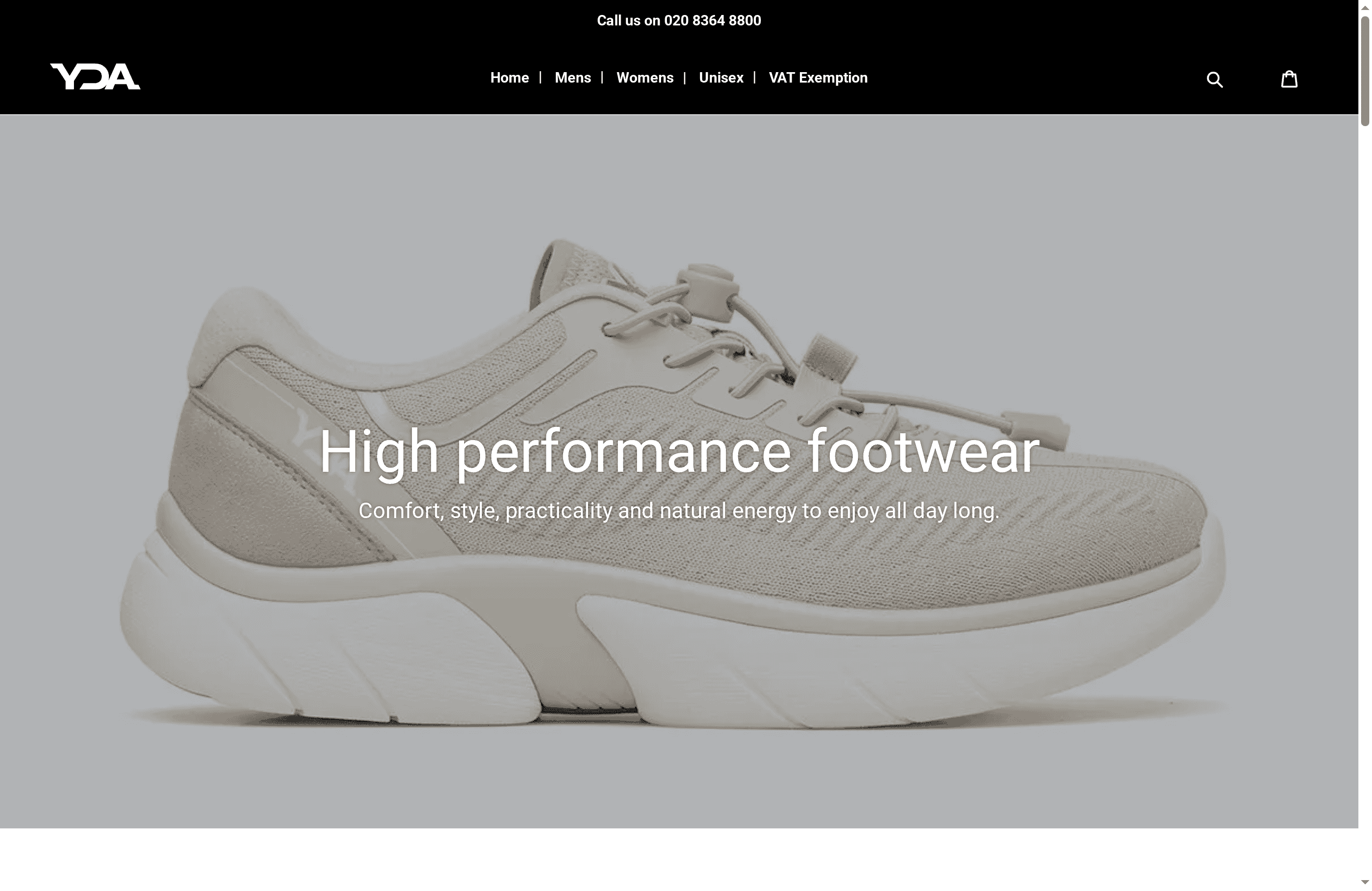
The Technology of Ydauk Shoes page breaks down how that structural support and energy-efficient design actually works across the range, useful reading before you commit to a pair. Depending on what your training week looks like, you might browse:
- Supportive training shoes built for stability-first lifting and cross-training sessions
- Cushioned options suited to cardio and higher-impact work
- Removable insole options for managing high arches or specific foot conditions
- Specialist footwear for diabetic and problem-foot needs
Our must-have shoe features guide goes deeper into the specific technology behind each range. If you know your dominant activity and your fit checklist results, head to the technology page now and filter by the features that matter most for your training.
Sources
The weight and heel stack thresholds in this guide come from RunRepeat’s 2026 training shoe testing, a useful benchmark if you want to check a specific model’s spec sheet against cardio guidance. CNET’s workout shoe coverage is worth reading if pronation or ankle stability is a personal concern. For the construction and materials shift towards functional stability, Muscle & Fitness’s 2025 to 2026 testing roundup explains the reasoning testers now apply. Men’s Health UK’s gym shoe testing sets out the stability, cushioning, grip and breathability axes referenced throughout this guide.
- 7 Best Training Shoes in 2026 | RunRepeat
- Best workout shoes | CNET
- Best training shoes of 2025 and the top picks to watch in 2026 | Muscle & Fitness