
Stop Slips at Work: Anti Slip Shoes, SRA/SRB Tests and Employer Duty
Anti-slip shoes are footwear engineered to improve traction, using specific sole compounds and tread geometry that reduce the risk of slipping on wet, greasy or otherwise contaminated floors. They matter most in kitchens, warehouses, hospitals and outdoor trades, but no sole beats a genuinely bad floor or spill left uncleaned. Treat them as one layer of protection, not the whole answer.
TL;DR:
- Genuine anti-slip shoes are tested and rated with specific CoF figures or standards such as SRC, SRB, or SRA for different contaminant conditions.
- Rubber soles with visible deep, spaced tread patterns and clear channels are most effective for shedding liquids and maintaining grip.
- Regularly cleaning the tread and checking depth are essential to maintain the sole’s slip-resistant properties over time.
- Employers must provide slip-resistant footwear when required for specific hazards and include footwear choices in risk assessments.
- Slip resistance alone cannot compensate for poor flooring, inadequate lighting, or unclean surfaces, which remain critical safety factors.
Table of Contents
- What anti-slip shoes actually mean: terms and common uses
- How anti-slip soles work: materials, tread and measurable grip
- Standards, testing and labels worth trusting
- How to tell if a pair of shoes is genuinely anti-slip
- Choosing anti-slip shoes for your actual environment
- Care and maintenance to keep the grip working
- Employer responsibilities and where footwear fits into workplace safety
- YDA’s approach to slip-resistant technology
- Practical takeaways: when anti-slip shoes are worth the investment
- Ready for footwear built around tested traction?
- Sources
- FAQ
What anti-slip shoes actually mean: terms and common uses
“Anti-slip,” “non-slip” and “slip-resistant” get used interchangeably, but only one of them tends to carry real testing behind it. Marketing copy loves the phrase “grippy,” which means almost nothing without a coefficient of friction (CoF) figure or a recognised standard attached. A shoe genuinely built for traction has been tested against a surface and contaminant, usually water or oil, and carries data or a certification code to prove it.
You’ll find this footwear worn hardest in a specific set of jobs:
- Hospitality and catering, where fryer grease and spilt drinks hit tiled floors constantly
- Healthcare, where corridors get mopped and blood or fluids are an occupational hazard
- Retail and warehousing, where forklifts, rain-tracked entrances and pallet wrap create hazards
- Food processing and industrial settings, where oil, offal or chemical residue is a daily presence
The gap between a shoe that’s simply comfortable and one that’s actually slip resistant comes down to whether anyone tested it on the surfaces it’s sold for.
How anti-slip soles work: materials, tread and measurable grip
Rubber compounds generally outperform polyurethane (PU) on wet or oily floors because rubber stays flexible and grips at a molecular level even when the surface is slick, while PU tends to harden and glaze over time. That’s why most serious slip-resistant ranges default to rubber or rubber blends rather than the lighter, cheaper PU soles found in fashion footwear.
Tread geometry does the rest of the work. Hexagonal lugs, circular studs and multidirectional channels are cut into the sole specifically to move liquid away from the point where your foot meets the floor, rather than trapping it underneath and turning the sole into a hovercraft. Without somewhere for fluid to go, even a rubber compound can’t do its job.
Slip-resistant treads are typically moderately deep and spaced to allow fluid to escape effectively, a design margin that gives fluid enough room to escape before it builds up under the foot, according to Safety Workwear’s breakdown of slip-resistant footwear engineering.
Coefficient of friction is the number that actually tells you how a sole performs:
- A higher CoF means more resistance between sole and floor, which translates to less chance of slipping
- CoF is measured against specific surfaces and contaminants, so a figure for dry tile means little for wet steel
- Reputable suppliers publish separate CoF figures for wet and dry conditions rather than one blended score
Standards, testing and labels worth trusting
Look past the packaging copy and check for an actual test code. In the US, ASTM F3445 sets a minimum coefficient of friction threshold that a shoe must clear on both wet and dry surfaces before it can be marketed as slip-resistant, and suppliers are increasingly publishing those CoF figures rather than relying on vague claims.
In Europe, testing runs through BS EN ISO 13287 and the wider EN ISO 20344/20345 family, with footwear marked SRA, SRB or SRC depending on which surfaces and lubricants it was tested against, according to HSE’s guidance on slip-resistant footwear procurement.
- SRA covers testing on ceramic tile with a diluted soap solution
- SRB covers testing on smooth steel with glycerol (simulating oil)
- SRC means the shoe has passed both SRA and SRB conditions
A shoe rated SRC has been tested against a wider range of real-world contaminants than one rated SRA alone, which matters if your floor sees both washing-up water and cooking oil in the same shift.
How to tell if a pair of shoes is genuinely anti-slip
Before you buy, run through a short checklist rather than trusting the word “grip” on the box.
- Check the product tag or spec sheet for a CoF value or a certification code such as SRA, SRB, SRC, or a reference to ASTM F3445.
- Look at the sole compound and tread pattern directly. Rubber with visible hexagons, circles or channel cuts is a stronger sign than a smooth or lightly patterned PU sole.
- Measure or estimate tread depth. Anything close to 3 millimetres with clear channel spacing suggests genuine engineering, not decoration.
- Test the shoes briefly in-store on a tiled or polished section of floor if one is available, shifting your weight rather than doing a full stride.
- Treat marketing language with suspicion when it’s the only evidence offered. Words like “non-slip sole” with no test data, no code and worn-looking tread in photos are a warning sign, not a guarantee. Boot World’s guide for restaurant staff covers similar in-store checks worth running before you commit.
Choosing anti-slip shoes for your actual environment
The contaminant you deal with daily should decide the sole, not the other way round. A tread built to shed water performs differently to one built to cut through oil, and a sole that feels grippy in a dry shop can turn treacherous the moment it hits a greasy kitchen floor. Match the engineering to the mess you actually encounter:
- Water-heavy environments (cleaning, outdoor work) benefit from deep, open channel patterns that clear volume fast
- Oil and grease-heavy environments (kitchens, food processing) need rubber compounds specifically tested against glycerol or fat, not just water
- Debris-heavy environments (warehouses, construction) often need a firmer tread with less risk of picking up grit that then embeds and reduces grip
There’s no single shoe that performs perfectly everywhere, which is why HSE recommends trialling footwear directly in the workplace rather than buying on spec sheets alone. Comfort and fit aren’t cosmetic extras here either. A shoe that pinches or rubs after four hours gets adjusted, tolerated badly, or swapped for something less protective, which quietly undermines the whole point of buying it.
Pro Tip: If your job involves static electricity risks or chemical exposure, standard slip-resistant soles aren’t enough. Ask about static-dissipative or chemical-resistant options specifically, since these are separate certifications from slip resistance alone.
Care and maintenance to keep the grip working
A slip-resistant sole loses its edge fast once grease, food debris or grit clogs the tread channels, quietly cancelling out whatever certification the shoe carried when new.
- Wipe or brush treads clean of grease and food debris at the end of each shift, not just when they look visibly dirty
- Check tread depth periodically and retire shoes once the pattern flattens or channels fill in permanently
- Avoid soaking rubber soles in harsh solvents, which can dry out the compound and reduce flexibility over time
- Rotate two pairs where possible, giving soles time to fully dry and recover their shape between wears
Employer responsibilities and where footwear fits into workplace safety
Footwear is a secondary control, not the first line of defence. HSE’s own guidance is explicit that employers should address flooring, cleaning schedules and lighting before reaching for footwear as a fix, because no sole fully compensates for a floor that’s routinely wet, poorly lit or badly maintained.
Where footwear genuinely counts as personal protective equipment, the obligation shifts onto the employer. OSHA has clarified that specialised safety footwear required for a specific job hazard must be supplied by the employer at no cost to the worker, rather than treated as a personal purchase.
- Footwear choice should sit inside a documented risk assessment, alongside flooring and cleaning controls
- Staff should be able to trial footwear on their actual work surfaces before a bulk order goes ahead
- Specialised safety attributes (slip resistance, static dissipation) trigger a duty to provide the equipment, not just recommend it
YDA’s approach to slip-resistant technology
YDA’s engineering work on outsole design sits behind pages that break down what makes a sole genuinely non-slip and how anti-slip outsole technology balances traction against comfort and foot health. Readers wanting CoF data or a trial pair for their own workplace can contact YDA’s customer support team directly to ask.

Practical takeaways: when anti-slip shoes are worth the investment
Anti-slip shoes earn their cost in kitchens, hospitals, warehouses and outdoor trades where contaminants are a daily fact, not an occasional risk. They’re never a substitute for good housekeeping. Trial a pair on your actual floor, then keep cleaning the tread.
— Panagiotis
Ready for footwear built around tested traction?
Most slip-resistant ranges make you choose between grip and comfort, forcing a stiff, clumpy sole that protects your footing but wrecks your feet by the end of a ten-hour shift. This approach is designed to stabilise and support each step, aiming to combine traction with comfort and energy efficiency rather than treating them as opposites.
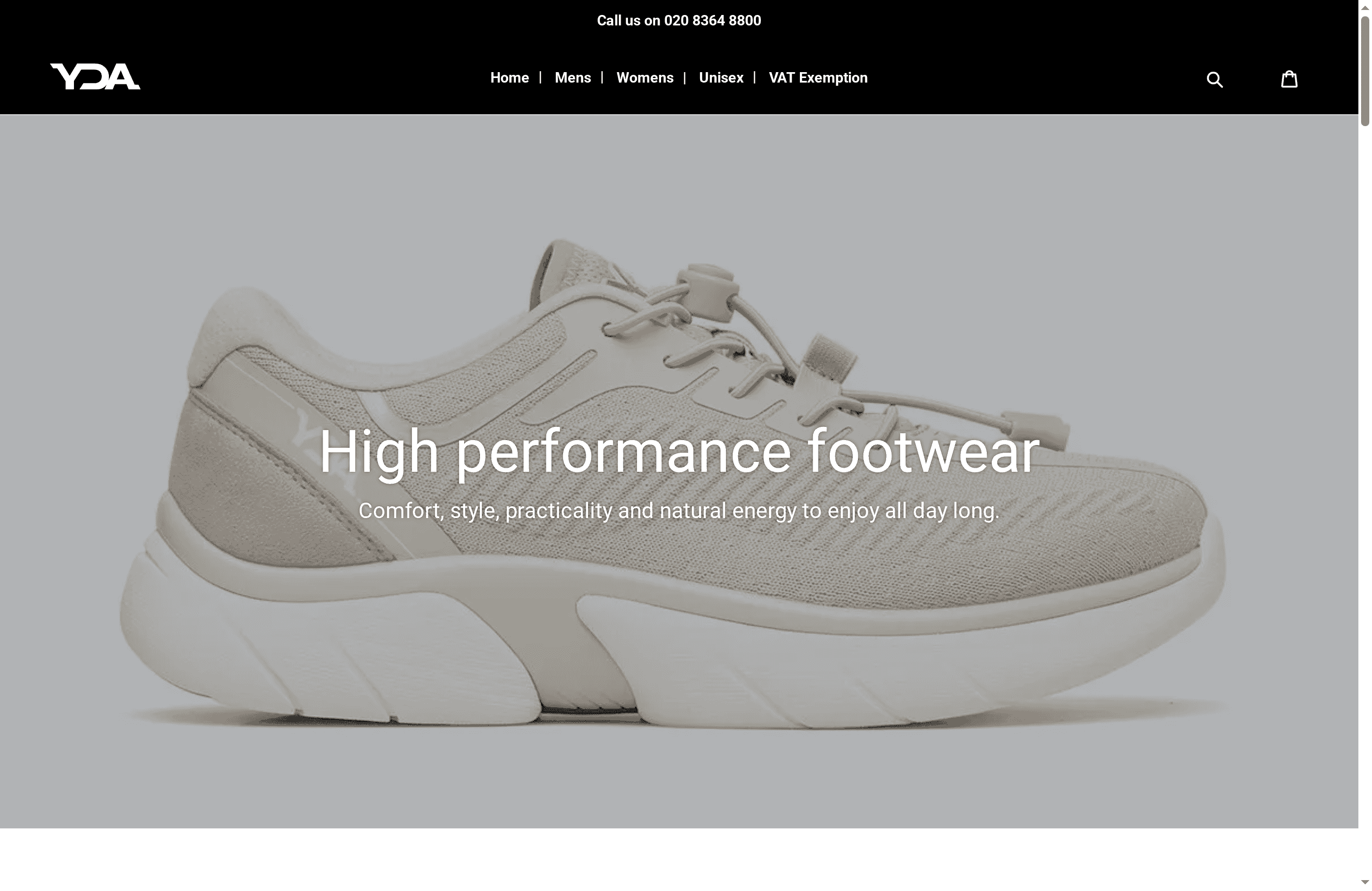
If you want the engineering explained before you buy, the technology behind YDA shoes page covers how the sole and insole work together to improve traction and foot health. From there, browse the full high-performance footwear range, and if you need CoF figures or trial pairs for a specific workplace, reach out to customer support directly to ask before you order. For hospitality teams building out a wider safety checklist, this restaurant operations checklist is a useful companion for floor and footwear controls beyond just the shoes themselves.
Sources
- OSHA standard interpretation on employer payment for PPE — 2009
- Anti-slip shoes: workplace essential — Safety Workwear
FAQ
How can you tell if your shoes are anti-slip?
Check the tag or spec sheet for a coefficient of friction figure or a certification code such as SRA, SRB, SRC, or a reference to ASTM F3445. Also inspect the sole for a rubber compound with visible tread channels, since worn or smooth soles rarely perform as advertised regardless of what the label says.
Can you turn regular shoes into non-slip shoes?
Not reliably. Adhesive traction pads and aftermarket sole treatments can offer a temporary grip boost, but they don’t replicate the tested tread geometry and compound engineering built into shoes designed from the ground up for slip resistance, so they shouldn’t be relied on in genuinely hazardous environments.
Do non-slip shoes actually work?
Yes, when the sole compound and tread are matched to the contaminant you’re walking on, backed by testing like BS EN ISO 13287. Performance drops sharply if treads get clogged with grease or debris, which is why regular cleaning matters as much as the initial purchase.
Can you still slip with slip-resistant shoes?
Yes. No shoe performs perfectly on every surface, and HSE guidance is clear that footwear is a secondary control that works alongside proper flooring, cleaning and lighting, not a replacement for them. Trialling footwear on your actual work surface remains the most reliable way to confirm it holds up in practice.