
How to relieve foot discomfort: strategies for daily comfort
TL;DR:
- Foot pain often results from conditions like plantar fasciitis, bunions, or nerve issues.
- Self-care methods such as rest, ice, stretching, and supportive shoes provide effective relief.
- Preventative habits and proper footwear are key to long-term foot health and pain reduction.
That first step out of bed in the morning should not feel like walking on broken glass. Yet for millions of people, sharp heel pain, aching arches, or throbbing ball-of-foot pain is a daily reality that disrupts everything from morning routines to evening walks. The good news is that rest, ice, stretching, and proper shoes form the backbone of proven, evidence-backed relief. This guide walks you through understanding what is causing your discomfort, how to treat it at home, and how to choose footwear that supports your feet for the long term.
Table of Contents
- Understanding the causes of foot discomfort
- Essential self-care techniques for immediate relief
- Choosing the right footwear for lasting comfort
- Tailoring solutions for specific foot conditions
- Why focusing on prevention is the real game-changer
- Find your solution with advanced footwear and expert support
- Frequently asked questions
Key Takeaways
| Point | Details |
|---|---|
| Identify the root cause | Diagnosing the specific foot issue guides the best relief method. |
| Use self-care first | Rest, ice, stretching, and supportive footwear ease most discomfort quickly. |
| Choose supportive shoes | Proper fit, cushioning, and arch support can prevent and relieve pain. |
| Tailor your strategy | Different conditions—like bunions or plantar fasciitis—require different approaches. |
Understanding the causes of foot discomfort
Before choosing a remedy, it is essential to understand what might be causing your pain. Foot discomfort is not a single condition. It is a symptom that can stem from dozens of sources, and the right approach depends entirely on identifying the correct cause.
Plantar fasciitis accounts for 15% of all foot pain and is the most common cause of heel pain. It involves inflammation of the thick band of tissue running along the bottom of your foot. You will typically feel a stabbing pain near the heel, especially with those first steps in the morning. Bunions, metatarsalgia, and similar conditions each require a different approach, so misidentifying your condition can mean weeks of wasted effort.
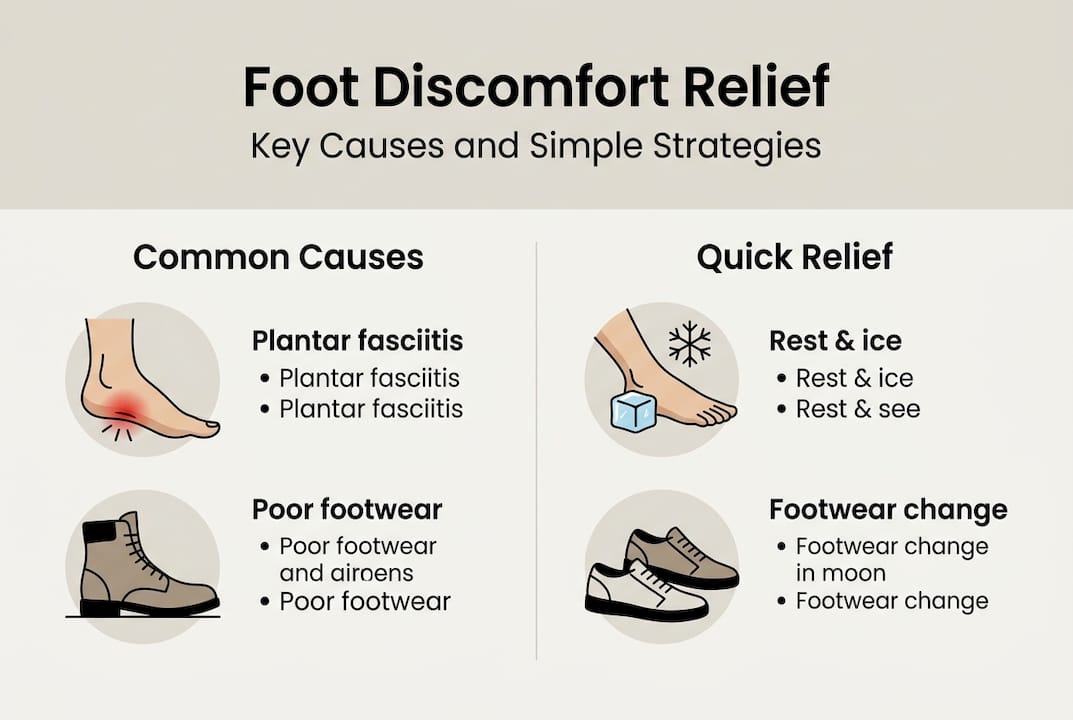
Your shoes, your daily activity level, and even your overall health can all contribute to foot discomfort. High-impact exercise, prolonged standing, and ill-fitting footwear are among the most common triggers. Systemic conditions such as arthritis, gout, and diabetes can also manifest as foot pain, making accurate identification even more important. Learning to reduce foot pain with shoes is a great starting point once you know your condition.
| Symptom | Location | Likely cause | Common trigger |
|---|---|---|---|
| Stabbing pain at first step | Heel | Plantar fasciitis | Morning, after rest |
| Aching ball of foot | Forefoot | Metatarsalgia | Running, tight shoes |
| Bony bump, toe deviation | Big toe joint | Bunion | Narrow footwear |
| Burning or numbness | Toes or sole | Nerve compression | Tight shoes, diabetes |
| Swelling across the foot | Whole foot | Arthritis or injury | Overuse, trauma |
Knowing when to seek professional help is just as important as home care. If you notice signs of serious foot swelling, especially if you have diabetes or cardiovascular disease, do not wait. Persistent swelling, numbness, or discolouration warrants a prompt medical review.
- Pain that is severe or worsening after two weeks of self-care
- Swelling that does not reduce with rest and elevation
- Numbness, tingling, or loss of sensation
- Open sores or wounds that are slow to heal, particularly in diabetics
Essential self-care techniques for immediate relief
Once you know your condition, start with these proven home therapies. The goal in the early stages is to calm inflammation, reduce pain, and restore gentle movement without making things worse.
Rest, ice, stretching, and orthotics are the mainstays of conservative foot care and work well for most common conditions. The key is consistency. Doing these things once or twice will not cut it. You need a daily routine.
- Rest the affected foot by reducing high-impact activity. Swap running for swimming or cycling temporarily.
- Apply ice wrapped in a cloth for 15 to 20 minutes, three to four times daily, to reduce swelling and numb pain.
- Stretch gently before getting out of bed and before standing after long periods of sitting. Focus on your calf and the plantar fascia.
- Wear supportive footwear from the moment your feet touch the floor. Avoid going barefoot on hard surfaces.
- Use OTC pain relief such as ibuprofen or naproxen to manage inflammation, following the packet instructions.
Stretching both the calf and plantar fascia together is more effective than either alone for plantar fasciitis. A simple calf stretch against a wall, held for 30 seconds and repeated three times, can make a noticeable difference within days. For safe stretching advice tailored to heel pain, expert guidance is worth reviewing before you begin.
Many people reach for a frozen water bottle to roll underfoot. While this feels good in the moment, research suggests targeted calf and Achilles stretches deliver better long-term results. The rolling motion can sometimes aggravate an already inflamed fascia.
When to seek help: If your pain persists beyond two weeks of consistent self-care, or if swelling is severe and does not respond to rest and ice, consult a healthcare professional promptly.
Pro Tip: Avoid overloading your unaffected foot by limping or shifting weight. This can create secondary pain in your knee, hip, or lower back. Keep movement gentle and even on both sides.
For more ideas on improving foot comfort naturally, a structured approach combining these steps with lifestyle adjustments can accelerate your recovery significantly.
Choosing the right footwear for lasting comfort
Proper footwear is the foundation of long-term relief and prevention. The wrong shoe can undo weeks of careful self-care in a single day, while the right one actively supports healing with every step.
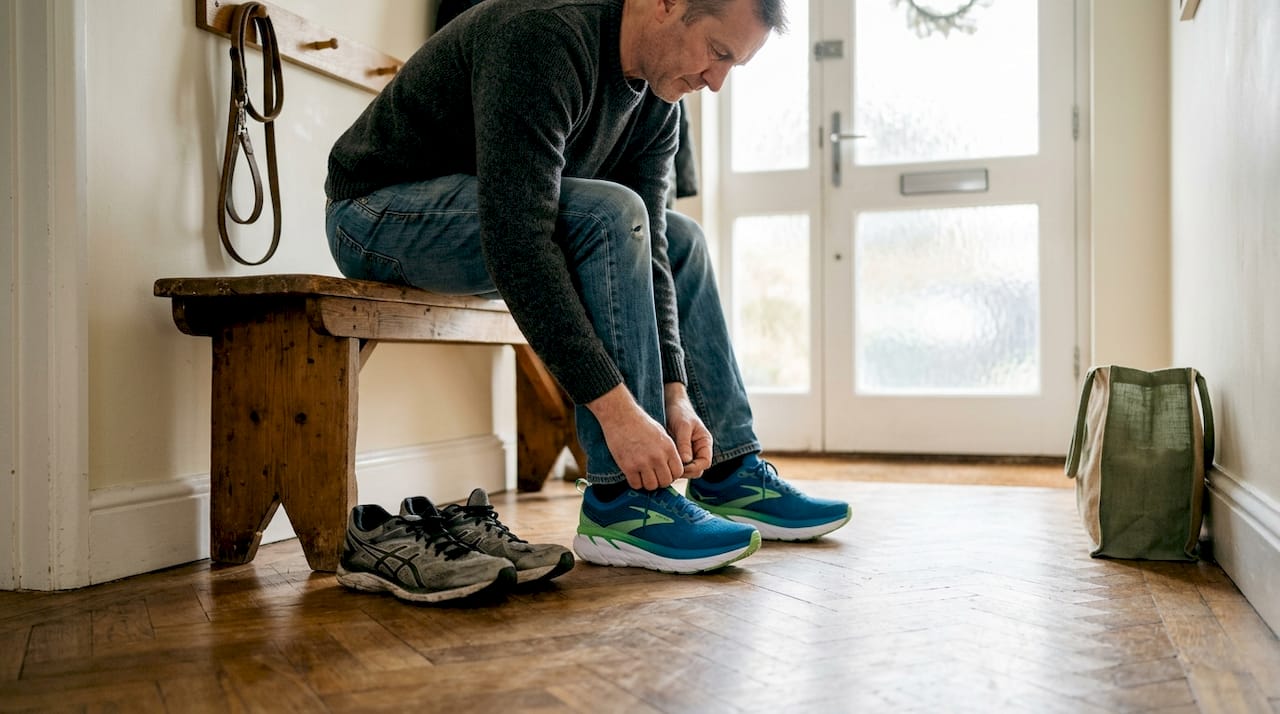
Cushioned, supportive shoes with a wide toe box and firm heel counter are best for foot pain. Experts recommend replacing footwear every 400 miles or when the midsole begins to compress, whichever comes first. Worn-out soles lose their shock absorption, transferring impact directly to your joints and soft tissue.
| Shoe type | Key features | Best suited for |
|---|---|---|
| Supportive trainers | Cushioned midsole, arch support | Plantar fasciitis, general pain |
| Orthopaedic shoes | Wide toe box, removable insole | Bunions, diabetic foot |
| Walking shoes | Firm heel counter, flexible forefoot | Everyday wear, metatarsalgia |
| Sandals with arch support | Contoured footbed, adjustable straps | Warm weather, mild discomfort |
Exploring the full range of types of comfortable shoes available can help you match the right design to your specific condition. Understanding shoe technology benefits is particularly valuable if you have a health condition that affects your feet.
Footwear to avoid:
- Shoes with a narrow or pointed toe box that compress the forefoot
- High heels above 2.5 centimetres, which shift weight onto the ball of the foot
- Completely flat shoes with no arch support, such as ballet flats or flip-flops
- Worn-out trainers where the midsole has compressed unevenly
- Slip-on shoes that force your toes to grip to keep the shoe on
Pro Tip: If your shoes do not offer enough arch support, over-the-counter orthotics or custom insoles can bridge the gap. Place them in any shoe with a removable insole for an immediate upgrade in support and cushioning.
Tailoring solutions for specific foot conditions
Some foot conditions demand tailored interventions. A one-size-fits-all approach rarely works when the underlying problem varies this much from person to person.
Condition-specific strategies:
- Plantar fasciitis: Prioritise morning stretching, wear shoes with strong arch support, and use heel cups or orthotics. Night splints can help maintain the stretch while you sleep.
- Metatarsalgia: Choose shoes with a wide toe box and metatarsal pads to redistribute pressure away from the ball of the foot. Avoid high heels entirely.
- Bunions: Wide shoes, padding, and orthotics are the first line of management. Surgery is a last resort, considered only when conservative measures fail after a sustained period.
- Diabetic foot: Daily inspection of the skin, nails, and any pressure points is non-negotiable. Specialist diabetic footwear tips can guide you on the right features to look for.
Statistic to note: 70 to 80% of plantar fasciitis cases improve with conservative measures including stretching, orthotics, and NSAIDs (non-steroidal anti-inflammatory drugs). Surgery is rarely required, which is encouraging news for anyone facing this diagnosis.
Pro Tip: If you have diabetes, inspect your feet and the inside of your shoes every single day. A small stone, a seam, or a blister that goes unnoticed can escalate quickly. Prevention is far simpler than treatment at that stage.
Red flags that warrant prompt referral to a specialist include persistent swelling that does not resolve, numbness or tingling that spreads, or any wound that is not healing. Do not delay if these symptoms appear.
Why focusing on prevention is the real game-changer
Most people treat foot discomfort reactively. Pain appears, they rest for a few days, it eases, and then they return to the same habits that caused it in the first place. This cycle repeats indefinitely. The real shift happens when you stop waiting for pain to signal a problem and start building daily habits that prevent it from returning.
Consistent shoe choice, a brief daily stretching routine, and regular foot inspection take less than ten minutes a day. Yet they dramatically reduce the frequency and severity of flare-ups. Addressing your biomechanics, which means how your foot strikes the ground and how your gait distributes load, stops problems before they even start. A gait assessment from a podiatrist or specialist can reveal patterns you would never notice yourself.
A small, consistent investment in a proper footwear selection guide and daily habits pays dividends for decades. The people who rarely suffer from foot pain are not lucky. They are simply consistent.
Find your solution with advanced footwear and expert support
If you are ready to take that next step towards lasting relief, the right footwear can make an immediate and meaningful difference to how your feet feel every day.

At YDA UK, we design shoes specifically for people who need more than a standard trainer. Our shoes for problem feet combine cushioning, arch support, and wide toe box construction to address the most common causes of foot discomfort. The YDA shoe technology behind each pair is built around real foot health principles, not just aesthetics. Whether you are managing plantar fasciitis, bunions, or simply want to protect your feet for the long term, our collection is designed to support you from the first step to the last.
Frequently asked questions
What is the fastest way to relieve foot discomfort at home?
Rest, ice, stretching, and orthotics are the first-line conservative treatments. Applying ice for 15 to 20 minutes and wearing cushioned, supportive shoes immediately can bring noticeable relief within hours.
When should I see a doctor for foot discomfort?
Consult a doctor if pain is severe, persists beyond two weeks, or if there is significant swelling or numbness. Serious foot swelling can signal underlying medical issues, and this is especially urgent if you have diabetes.
What type of shoes are best for preventing foot discomfort?
Look for shoes with cushioning, strong arch support, a wide toe box, and a firm heel counter. Proper footwear features like these reduce strain and help prevent common conditions from developing or worsening.
Can foot discomfort be fully resolved without surgery?
In most cases, yes. 70 to 80% of plantar fasciitis cases resolve with conservative measures alone, and similar success rates apply to many other common foot conditions when treated consistently and early.
Recommended
- How to Improve Foot Comfort Naturally for Everyday Wear – YDA UK
- How to Reduce Foot Pain with Shoes for Everyday Comfort – YDA UK
- How to Maintain Foot Comfort Naturally for Healthy Feet – YDA UK
- Role of Footwear in Daily Comfort: Complete Guide – YDA UK
- Reduce swelling naturally: gentle methods for effective relief – Gutted.