
How to Maintain Foot Comfort Naturally for Healthy Feet
Most british adults underestimate the impact of everyday footwear on long-term comfort and health. Studies reveal that over 60 percent of individuals suffer foot pain due to ill-fitting shoes, which often leads to avoidable complications. The right approach to shoe selection and foot care is crucial for supporting daily activities, preventing chronic issues, and maintaining mobility. Discover practical steps to address footwear needs, enhance comfort, and promote healthier feet for every british lifestyle.
Table of Contents
- Step 1: Assess Your Footwear Needs
- Step 2: Select Supportive and Comfortable Shoes
- Step 3: Establish a Daily Foot Care Routine
- Step 4: Incorporate Foot-Friendly Insoles
- Step 5: Monitor Comfort and Adjust Choices
Quick Summary
| Essential Insight | Explanation |
|---|---|
| 1. Assess Your Footwear Needs | Understand individual foot needs based on lifestyle, foot shape, and existing conditions for optimal comfort and support. |
| 2. Choose Supportive and Comfortable Shoes | Prioritise arch support, fit, and comfort; try shoes later in the day to ensure proper fit and avoid long-term health issues. |
| 3. Establish a Daily Foot Care Routine | Incorporate washing, moisturising, and inspections into daily life to prevent common issues like fungal infections and skin conditions. |
| 4. Use Foot-Friendly Insoles | Select insoles that match foot anatomy and lifestyle for better cushioning and support, reducing strain during daily activities. |
| 5. Monitor Comfort and Make Adjustments | Regularly assess shoe comfort and seek professional evaluations to address any discomfort and adapt to changing foot needs. |
Step 1: Assess Your Footwear Needs
Assessing your footwear needs is the critical first stage in maintaining natural foot comfort and supporting overall foot health. By understanding the specific requirements for your lifestyle and physical characteristics, you can select shoes that provide optimal support and protection.
Personal footwear needs go beyond simple aesthetic preferences. Research indicates that comprehensive footwear selection involves evaluating physical, safety, social, and emotional attributes unique to each individual. Begin by examining your daily activities, work environment, foot shape, any existing foot conditions, and comfort requirements. Consider factors like arch type, potential pressure points, walking or standing duration, and specific movement patterns. Do you require shoes for professional settings, athletic performance, casual wear, or specific medical needs?
A practical approach involves mapping your foot characteristics and lifestyle demands. This means measuring both foot length and width, understanding your arch type (high, neutral, or low), and recognising any specific comfort challenges you experience. By creating a personalised footwear profile, you transform shoe shopping from a generic experience into a targeted strategy for foot wellness.
Warning: Never compromise comfort for style. Ill fitting shoes can lead to long-term foot health complications and unnecessary discomfort.
Step 2: Select Supportive and Comfortable Shoes
Selecting the right shoes is crucial for maintaining natural foot comfort and preventing potential health issues. By understanding how to choose supportive footwear for different activities, you can significantly improve your overall foot wellness.
Research highlights that improper footwear selection can lead to numerous injuries and long-term foot health complications. When evaluating shoes, focus on key factors such as arch support, cushioning, flexibility, and fit. Your shoes should accommodate your unique foot shape and provide appropriate support for your specific lifestyle demands. This means considering the arch type, potential pressure points, walking patterns, and the primary activities you will undertake while wearing these shoes.
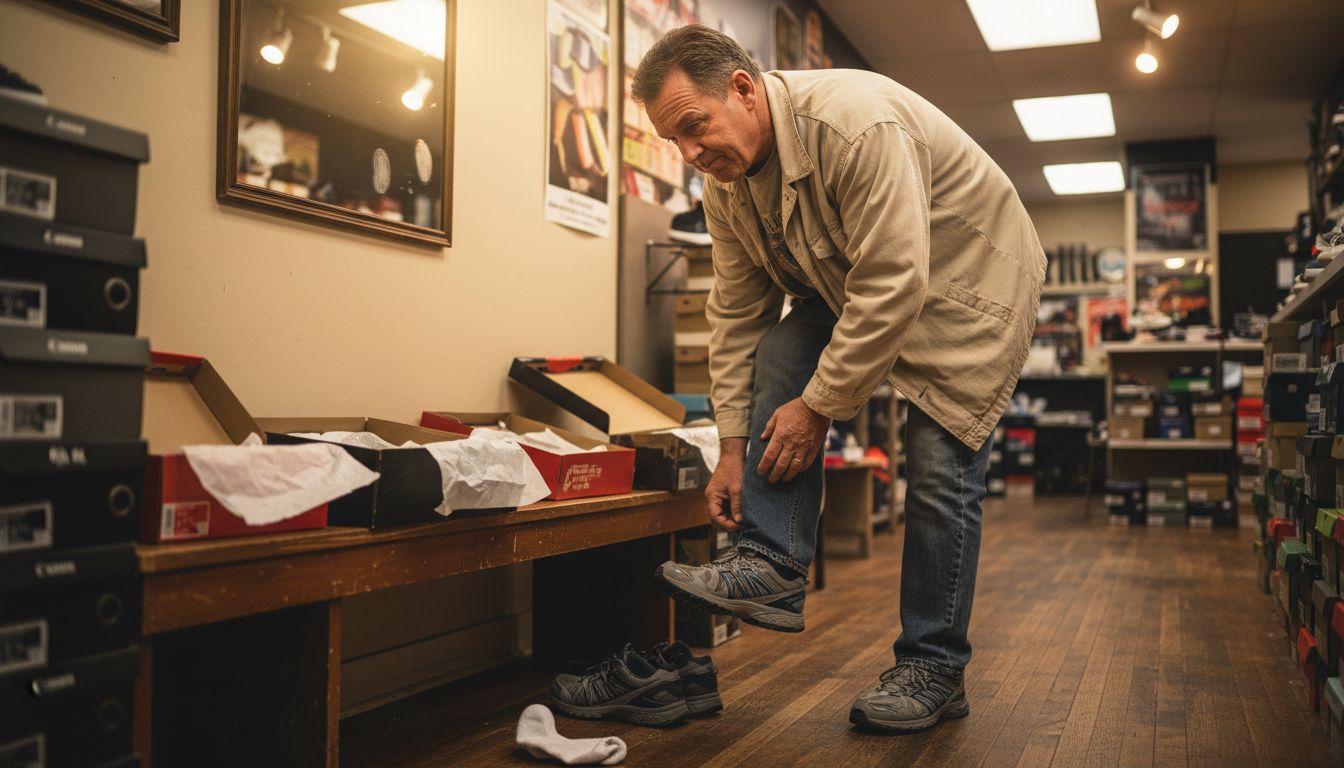
To ensure optimal comfort, try shoes later in the day when your feet are slightly swollen, and always walk around to test the fit and feel. Pay attention to heel support, toe box space, and overall stability. A well-fitted shoe should feel comfortable immediately without requiring extensive breaking in.
Warning: Never compromise on shoe fit or quality. Ill-fitting shoes can cause blisters, foot pain, and potentially long-term structural foot problems.
Step 3: Establish a Daily Foot Care Routine
Establishing a consistent daily foot care routine is essential for maintaining optimal foot health and preventing potential complications. Proper foot maintenance goes beyond occasional treatment and requires dedicated daily attention.
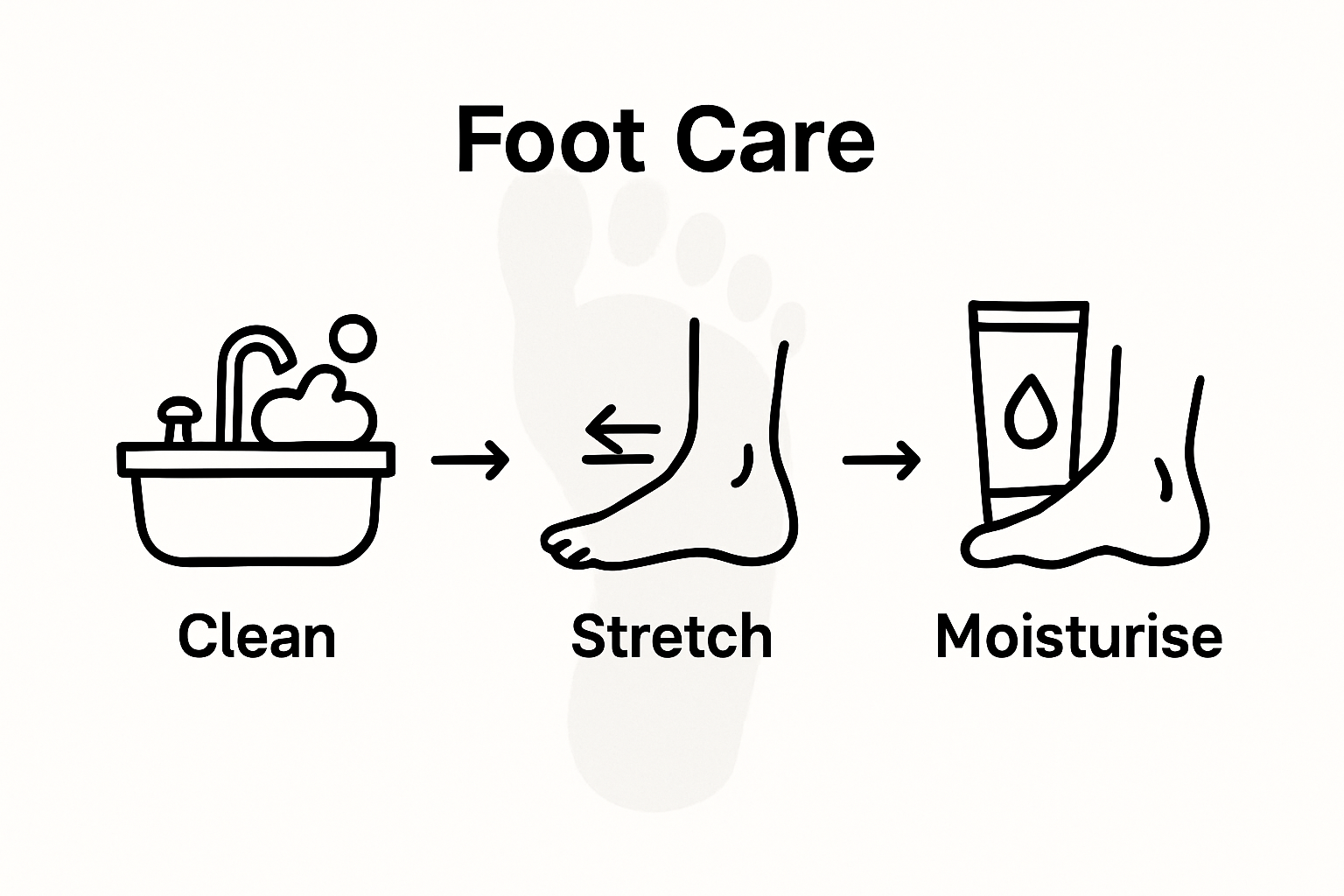
Research from local healthcare organisations emphasises the significance of comprehensive foot maintenance strategies that include regular inspection, cleaning, and preventative care. Your daily routine should incorporate several critical elements: thorough washing, careful drying particularly between toes, moisturising to prevent dry skin, and systematic examination for any changes or potential issues. Pay special attention to areas prone to friction, checking for emerging blisters, calluses, or skin irregularities that might indicate underlying problems.
Consistent foot care involves more than surface level treatment. Incorporate gentle stretching exercises, massage techniques to improve circulation, and periodic nail trimming using appropriate tools. Consider rotating between different supportive footwear to distribute pressure points and allow shoes adequate recovery time.
Warning: Neglecting daily foot care can lead to chronic issues such as fungal infections, persistent skin conditions, and long term structural foot problems.
Step 4: Incorporate Foot-Friendly Insoles
Incorporating foot-friendly insoles is a strategic approach to enhancing overall foot comfort and preventing potential biomechanical issues. Understanding the nuanced role of insoles in foot health can transform your daily walking experience.
Research demonstrates that carefully selected insoles play a critical role in reducing foot strain, particularly for individuals engaged in prolonged standing or repetitive movement activities. When choosing insoles, consider your specific foot anatomy, arch type, and daily activity levels. Look for options that provide targeted support for your unique foot structure, addressing potential pressure points and distributing weight evenly across the foot. Quality insoles should offer adequate cushioning, arch support, and shock absorption to minimise fatigue and prevent potential repetitive strain injuries.
The selection process requires careful consideration. Professional foot assessment can help identify the most appropriate insole type for your specific needs. Some individuals might benefit from custom orthotics, while others can find excellent support through high quality over the counter options. Consider factors such as material composition, thickness, and flexibility when making your selection.
Warning: Poorly fitted or inappropriate insoles can potentially cause more harm than good, potentially creating additional foot strain or discomfort.
Step 5: Monitor Comfort and Adjust Choices
Monitoring your foot comfort is an ongoing process that requires attentive self-awareness and proactive adjustment. Understanding how to evaluate your footwear performance regularly can prevent potential long term discomfort and health issues.
Workplace safety guidelines emphasise the critical importance of continuously assessing footwear comfort and making necessary adjustments. Develop a systematic approach to evaluating your foot comfort by paying attention to specific indicators such as persistent pain, pressure points, unusual wear patterns on your shoes, and changes in walking or standing comfort. Track how your feet feel during and after different activities tracking signs of fatigue, soreness, or emerging discomfort. This might involve maintaining a simple foot comfort journal where you record daily experiences and potential issues.
Consider scheduling periodic professional foot assessments to ensure your current footwear and care strategies remain appropriate. As your body changes with age, activity levels, and lifestyle, your foot support requirements will naturally evolve. Be prepared to invest in new footwear or orthotics that match your changing needs.
Warning: Ignoring persistent foot discomfort can lead to more serious musculoskeletal problems that may require extensive medical intervention.
Discover Lasting Foot Comfort with Advanced Footwear Solutions
If you have read “How to Maintain Foot Comfort Naturally for Healthy Feet,” you already understand how vital supportive, well-fitted shoes are to prevent discomfort and long-term issues. Common challenges like poor arch support, improper cushioning, and ill-fitting shoes can lead to persistent pain and fatigue. At https://ydauk.com, we specialise in offering stylish and technologically advanced footwear crafted to enhance natural foot comfort and promote foot health throughout your day.

Take control of your foot wellness by exploring our collection of high-performance shoes designed with innovative YDA Technology. Each pair is thoughtfully created to provide exceptional support, cushioning, and flexibility, accommodating various foot shapes and activity levels. Do not wait until foot problems escalate – visit https://ydauk.com today and experience the difference of footwear that works as hard as you do.
Frequently Asked Questions
How can I assess my footwear needs for maintaining foot comfort?
Assess your footwear needs by examining your daily activities, work environment, and any existing foot conditions. Measure both your foot length and width, understand your arch type, and identify comfort challenges to create a personalised footwear profile.
What features should I look for in supportive and comfortable shoes?
Focus on key features such as arch support, cushioning, flexibility, and proper fit when selecting shoes. Ensure they accommodate your foot shape and provide necessary support for your primary activities, testing them by walking around to evaluate comfort.
What should I include in my daily foot care routine to promote foot health?
Incorporate thorough washing, careful drying, moisturising, and regular inspection of your feet into your daily routine. Pay attention to areas prone to friction, and consider adding stretching exercises and massage techniques to enhance circulation.
How do I choose the right foot-friendly insoles for my shoes?
Select insoles that match your foot anatomy, arch type, and daily activities. Look for insoles that provide targeted support and cushioning while addressing specific pressure points, ensuring they fit well within your shoes without causing discomfort.
How can I monitor and adjust my footwear choices for better comfort?
Regularly assess your foot comfort by noting any persistent pain, pressure points, or unusual wear patterns on your shoes. Maintain a foot comfort journal to track your experiences, and consider scheduling professional foot assessments to ensure your footwear continues to meet your changing needs.