
Therapeutic shoes halve diabetic ulcer risk: evidence and fit advice
Yes. Therapeutic footwear with offloading properties cuts diabetic foot ulcer risk by around half, with one meta-analysis of randomised trials reporting a risk ratio of 0.49. It also reduces pain and improves function in conditions like rheumatoid arthritis. People with diabetic neuropathy, prior ulcers, or joint deformity gain the most, though benefits fade if the shoes go unworn or wear out.
TL;DR:
- Offloading footwear reduces diabetic foot ulcer risk by approximately 51%, with rigid rocker soles decreasing recurrence by about 64% compared to semi-rigid options.
- The pressure-relieving benefits depend heavily on proper fit, with layered insoles and pads progressively lowering peak plantar pressure at ulcer-prone sites.
- Mechanical advantages are achieved mainly through rocker soles, custom insoles, and metatarsal pads, but effects may diminish over time due to material wear.
- Adherence to wearing the footwear daily is critical for effectiveness, and proper fitting, comfort, and regular replacement are essential for sustained benefits.
- Footwear must match the biomechanical needs and be comfortable enough for routine use, but clinical consultation is necessary for high-risk or active cases.
Table of Contents
- The benefits of therapeutic shoes: who gains what
- What the trials and reviews actually show
- How offloading and pressure redistribution actually work
- Choosing, wearing, and replacing therapeutic shoes
- Why footwear gets underestimated as medicine
- Where technology-led design fits into the picture
- Sources
The benefits of therapeutic shoes: who gains what
The evidence splits cleanly by condition, and the size of the benefit depends heavily on which feature is doing the work. Rocker soles, metatarsal pads, and custom insoles each solve a slightly different mechanical problem, so matching the right feature to the right foot matters more than buying the most expensive pair on the shelf.
Ulcer prevention and recurrence reduction is where the clinical case is strongest. People with diabetes, peripheral neuropathy, or a history of diabetic foot ulcers (DFU) see the biggest gains. A randomised trial on rigid rocker soles found a relative risk reduction of roughly 64% for ulcer recurrence compared with semi-rigid soles, largely because the rigid sole locks the forefoot and shifts load away from vulnerable metatarsal heads.
Peak plantar pressure reduction is the mechanical engine behind most of these outcomes. Research on footwear and insole combinations found pressure and tissue strain fell progressively as devices were layered: shoe alone, then shoe plus custom insole, then shoe plus insole plus metatarsal pad, with each addition reducing load at common ulcer sites.
Statistic callout: Therapeutic footwear with offloading properties reduces diabetic foot ulcer incidence by roughly 51% (RR 0.49), and rigid rocker soles cut recurrence risk by around 64% versus semi-rigid alternatives.
**Pain reduction and physical function benefits extend well beyond diabetes. Systematic reviews of orthopaedic footwear in rheumatoid arthritis report a moderate reduction in foot pain (SMD around 0.60) and a smaller but real improvement in physical function (SMD around 0.30). Plantar fasciitis and general chronic foot pain often respond to the same cushioning and arch-support principles, even outside a formal diagnosis.
Beyond pain and ulcers, the knock-on effects matter too:
- Improved stability and gait mechanics, which can reduce compensatory strain on the knees and lower back
- Better accommodation of structural deformities through extra-depth designs and a wider toe box
- Protection against friction and shear for people with reduced sensation who can’t feel early tissue damage
- Reduced reliance on ad hoc padding or bandaging that ill-fitting shoes often force people into
None of this holds indefinitely. Cushioning compresses, rocker soles flatten, and insoles lose their shape, so the protective effect measured in a trial’s first months isn’t guaranteed a year later.
What the trials and reviews actually show
Meta-analyses give the clearest headline figure: a risk ratio of 0.49 (95% CI, 0.28 to 0.84) for DFU incidence with offloading footwear, meaning the pooled trial data shows roughly half the ulcer risk compared with standard or no specialised footwear. That confidence interval is wide, which tells you the effect varies meaningfully between studies rather than sitting at one fixed number.
Individual trials sharpen the picture further:
- Rigid rocker soles reduced ulcer recurrence with a hazard ratio of 0.263 against semi-rigid soles, a relative reduction of about 64%
- Rheumatoid arthritis reviews report pain SMDs near 0.60 and function SMDs near 0.30, moderate but genuine effects
- Pressure studies show a consistent, layered reduction as insoles and metatarsal pads are added to a shoe
“Effect size and durability vary by study and time,” is the honest summary from reviewers looking across multiple randomised trials on offloading footwear. The pooled result is real, but it isn’t uniform, and it isn’t permanent.
The main limitations are heterogeneity across trial designs, patient selection bias (motivated patients enrol in footwear trials), and a documented tendency for protective effects to decline over longer follow-up periods as materials fatigue. The International Working Group on the Diabetic Foot uses a risk stratification system, recommending special footwear specifically for patients classed at risk category 2 or 3, rather than blanket prescription for everyone with diabetes.
How offloading and pressure redistribution actually work
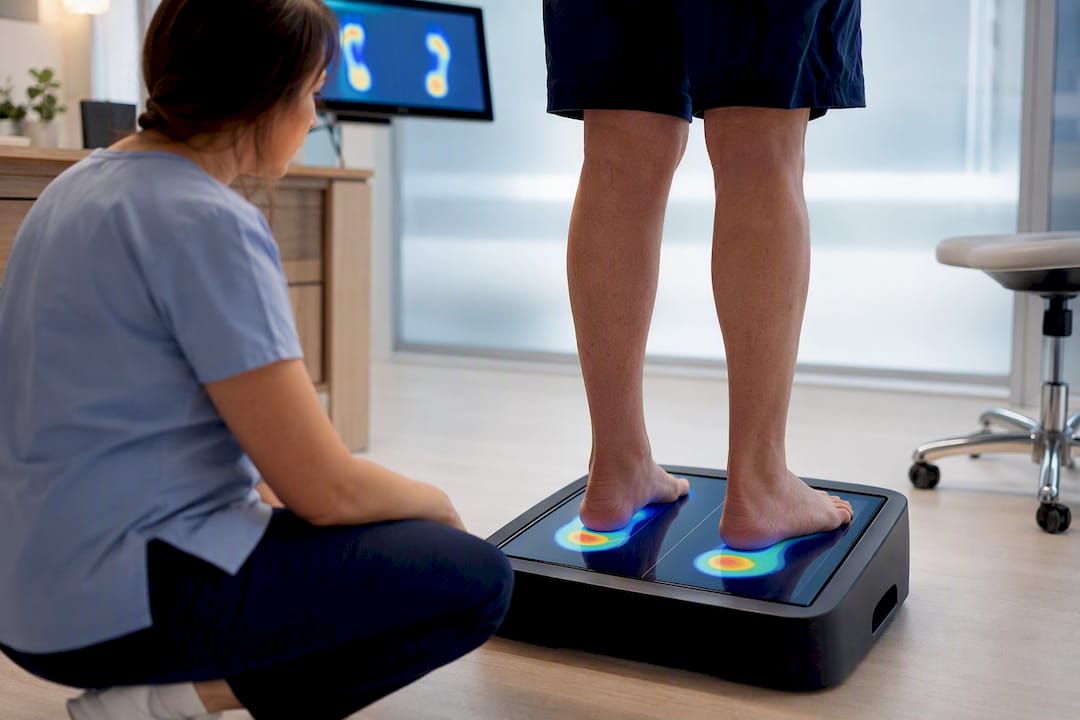
Offloading means redistributing weight-bearing force away from a vulnerable spot on the foot, usually the metatarsal heads or a previous ulcer site, and spreading it across a larger surface area. Peak plantar pressure is simply the highest force recorded at any single point on the sole during walking; the higher that number, the greater the risk of tissue breakdown in someone with reduced sensation.
Three shoe features drive most of the mechanical benefit:
- Rocker soles roll the foot through the gait cycle instead of forcing it to bend, cutting the sharp pressure spike that happens at push-off.
- Custom or prefabricated insoles mould to the foot’s contours, spreading load rather than concentrating it on bony prominences.
- Metatarsal pads and extra-depth uppers shift pressure proximally, away from the forefoot, and accommodate structural changes without pinching or rubbing.
These changes also shift gait patterns and posture, occasionally moving strain rather than eliminating it entirely, which is why a poorly matched device can occasionally trade one problem for another.
Pro Tip: If pain or pressure sores persist despite a well-fitted shoe, ask your podiatrist about in-shoe pressure mapping. It’s a simple test that shows exactly where load is concentrating, rather than relying on guesswork.
Choosing, wearing, and replacing therapeutic shoes
Getting the benefit out of any therapeutic shoe depends as much on fit and habit as on the shoe’s design. Run through a short checklist before committing to a pair, and treat the diabetic footwear selection guide as a starting reference point.
- Check the toe box and width first; deformities and swelling need room, not compression.
- Confirm the insole is removable, so it can be swapped for a custom orthotic if your podiatrist prescribes one.
- Test the heel hold by walking a few steps; slipping increases friction and blister risk.
- Assess how easily the shoe goes on, since fiddly fastenings discourage daily wear.
Adherence is the variable most trials flag as decisive. Wearing therapeutic shoes indoors as well as outdoors, choosing a style you’re not embarrassed to wear, and understanding why the shoe matters all measurably improve daily compliance.
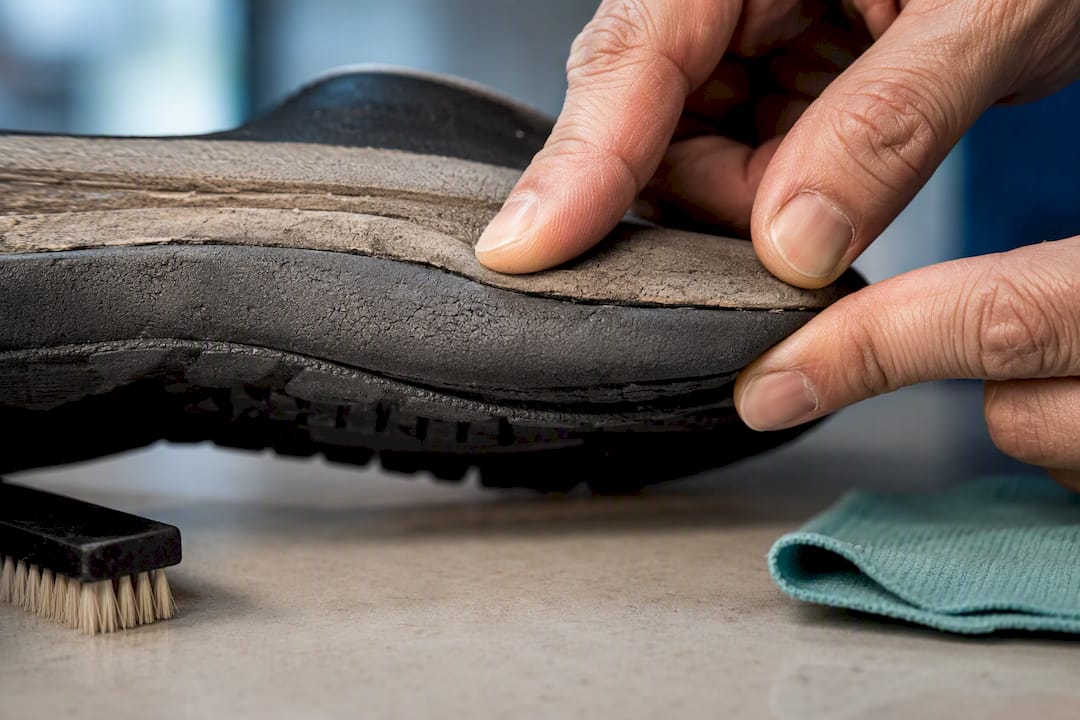
Watch for compressed cushioning, a flattened rocker profile, or uneven wear on the outsole. Many clinicians suggest reviewing fit and function every 12 to 24 months, depending on activity levels, though your podiatrist should set the actual interval. Seek specialist care promptly for persistent pain, new skin discolouration, wounds, or changes in foot temperature or colour.
Why footwear gets underestimated as medicine
People tend to file therapeutic shoes under comfort rather than medicine, which misses the point entirely. The evidence base here looks more like a drug trial than a shopping guide: risk ratios, hazard ratios, confidence intervals. Ill-fitting or unsupportive shoes don’t sit neutrally in the background of someone’s foot health; they actively worsen existing pathology in a way most people wouldn’t associate with something as mundane as footwear.
What gets underplayed even in good clinical writing is adherence. A perfectly engineered rocker sole does nothing for a patient who only wears it on hospital visits. That’s not a footnote to the science, it’s arguably the biggest variable in whether any of these numbers apply to a specific person. Ydauk’s focus on YDA Technology reflects that reality: a shoe has to be worn daily to do its job, so design and comfort aren’t cosmetic extras, they’re part of the mechanism. None of this replaces clinical judgement for high-risk feet; footwear works alongside a podiatrist, not instead of one.
— Panagiotis
Where technology-led design fits into the picture
Everything above points to one practical conclusion: the shoe’s construction has to match the biomechanical problem, and it has to be comfortable enough that someone actually wears it every day. Certain footwear is designed with removable insoles that accommodate custom orthotics and midsole geometry aimed at pressure distribution rather than pure styling.
None of this replaces a clinical assessment, particularly for anyone at elevated risk of ulceration or with active neuropathy. But for people looking to combine everyday comfort with features grounded in the mechanics discussed above, the Technology of YDA Shoes page breaks down exactly how the design choices work. If you have diabetes or a foot condition your clinician is actively managing, book a proper fitting and check with them before switching footwear. Otherwise, the next sensible step is simple: try a pair on and feel the difference for yourself.
This article is general information, not a substitute for advice from a qualified doctor. Consult a qualified healthcare professional about your own circumstances before acting on anything here.
Sources
- Effects of Special Therapeutic Footwear on the Prevention of Diabetic Foot Ulcers: A Systematic Review and Meta-Analysis of Randomized Controlled Trials - PMC
- Clinical efficacy of therapeutic footwear with a rigid rocker sole in the prevention of recurrence in patients with diabetes mellitus and diabetic polyneuropathy - PMC
- Systematic reviews of orthopaedic footwear in rheumatoid arthritis and related conditions - PubMed