
Barefoot shoes: what they are and how they work
TL;DR:
- Barefoot shoes are minimalist footwear with zero-drop soles and wide toe boxes that promote natural foot movement. They strengthen intrinsic foot muscles, improve proprioception, and enhance posture when transitioned to gradually. However, individuals with certain foot conditions or health risks should seek professional advice before adopting barefoot shoes.
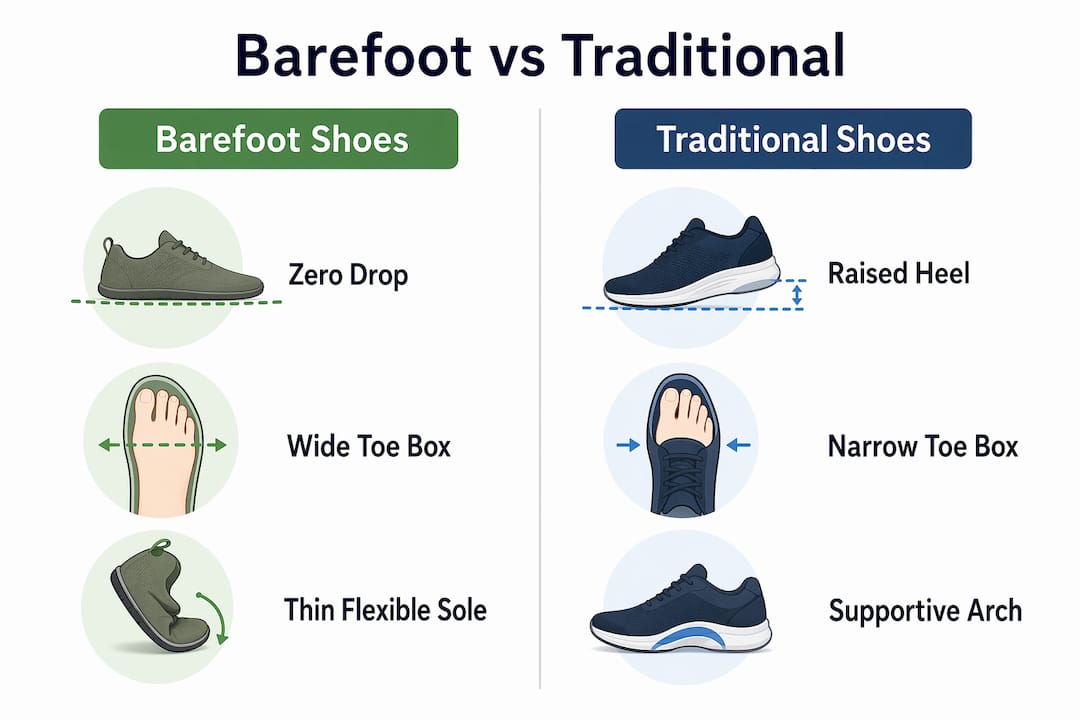
Barefoot shoes are minimalist footwear designed to mimic walking barefoot while providing protection against environmental hazards. They feature four defining characteristics: a zero-drop sole, a wide toe box, a thin and flexible sole, and no built-in arch support or stability devices. Unlike conventional trainers, which are engineered to cushion and control foot movement, barefoot shoes step back and let your feet do the work they were built to do. If you have been curious about barefoot shoes, what they are, and whether they suit your lifestyle, this guide covers everything from the science behind them to who should approach them with caution.
What are barefoot shoes and how do they work?
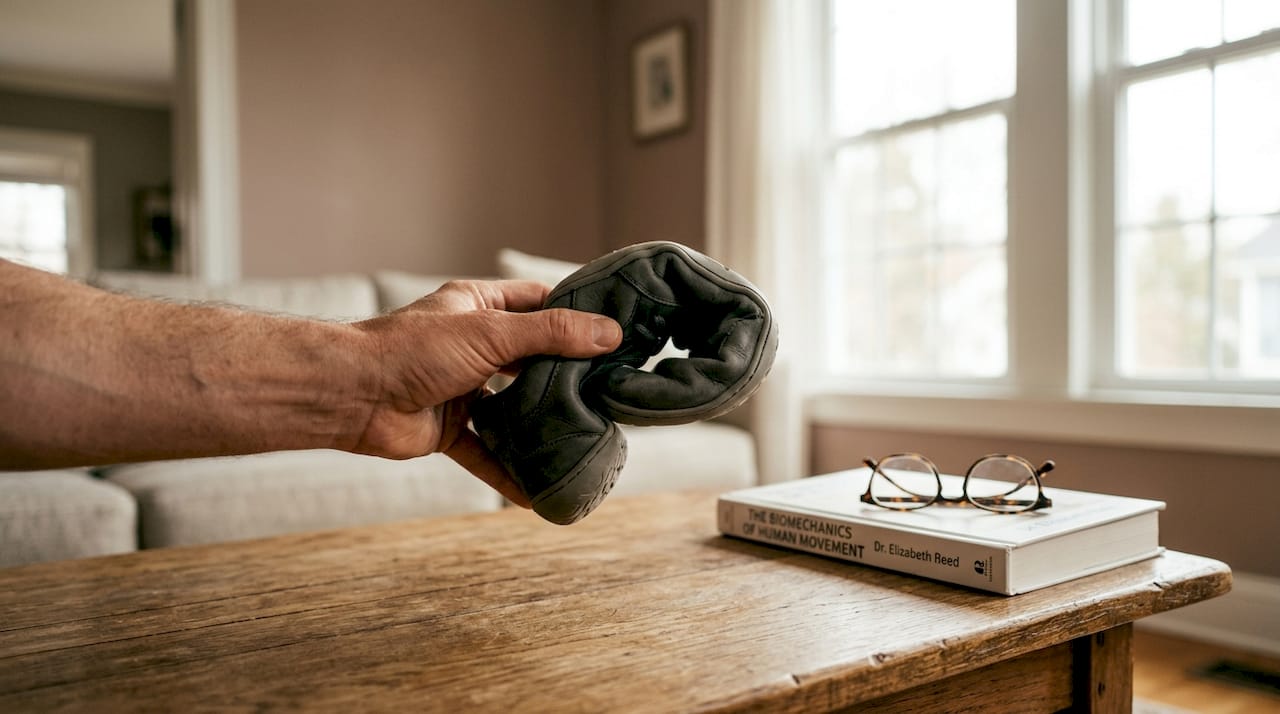
Barefoot shoes are defined by zero heel-to-toe drop and a sole flexible enough to bend and twist freely in your hand. That combination is what separates them from both traditional running shoes and the broader category of minimalist footwear. The industry term is minimalist footwear, and barefoot shoes sit at the most minimal end of that spectrum.
Traditional shoes carry a heel-to-toe drop of anywhere between 8.6 mm and 16.1 mm, meaning the heel sits significantly higher than the forefoot. Barefoot shoes bring that figure to zero. The practical effect is a shift in how your foot strikes the ground. Instead of landing heel-first, you naturally transition to a midfoot or forefoot strike, which distributes impact across a larger surface area.
The wide toe box is equally important. Most conventional shoes taper toward the front, compressing the toes together over time. Barefoot shoes allow the toes to splay outward as they would on bare ground, which activates the small stabilising muscles of the foot that narrow footwear tends to suppress. Brands such as Vibram and Merrell have built their barefoot ranges around this anatomical principle, and minimalist shoe design research confirms that sole weight under 200 grams and heel height under 20 mm are the benchmarks that define the category.
What are the benefits of wearing barefoot shoes?
The case for barefoot shoes is grounded in foot biomechanics rather than trend. When your foot is no longer propped up by cushioning and motion-control technology, it has to do its own work. That demand produces measurable adaptations over time.
The core benefits include:
- Stronger intrinsic foot muscles. Studies show increases in intrinsic muscle size after several weeks of barefoot shoe use, particularly in the muscles that support the arch.
- Improved proprioception. The thin sole transmits ground-feel information directly to the nervous system, sharpening your body’s awareness of foot position and surface texture. This translates into better balance and more reactive movement.
- Natural toe splay. A wide toe box allows the toes to spread and grip, which improves postural stability and reduces the compression that contributes to bunions and hammer toes.
- Better posture and reduced back strain. When heel elevation is removed, the pelvis and spine realign toward a more neutral position. Many wearers report reduced lower back discomfort after a successful transition.
- Reduced reliance on external support. Feet that are regularly challenged by barefoot footwear tend to develop the structural resilience that cushioned shoes were substituting for.
A podiatrist’s complete guide to barefoot footwear confirms that better balance and postural stability are among the most consistently reported outcomes, provided the transition is managed correctly. These are not marginal gains. For people who spend long hours on their feet, the difference in fatigue levels between a shoe that works with the foot and one that works against it is substantial.
Pro Tip: Start by wearing your barefoot shoes for short walks on grass or a wooden floor before committing to pavement. Soft surfaces reduce the initial loading stress on tendons and bones while your foot adapts.
What are the risks and who should avoid barefoot shoes?
Barefoot shoes are not suitable for everyone, and the risks of a poorly managed transition are clinically significant. The first six to twelve weeks carry the highest injury risk, and overuse injuries during transition include stress fractures, plantar fasciitis, and Achilles tendinopathy. These are not simply muscle soreness. They are biomechanical adaptation failures caused by loading tissues faster than they can remodel.
Certain groups face elevated risk and should consult a podiatrist before considering barefoot footwear:
- People with diabetes or peripheral neuropathy. Reduced sensation in the feet means puncture wounds, pressure sores, and infections can go unnoticed. For this group, protective diabetic footwear with cushioning and a protective upper is the safer choice.
- People with symptomatic flat feet. Flat feet that cause pain or fatigue rely on arch support to function comfortably. Removing that support abruptly can worsen symptoms and load the plantar fascia beyond its tolerance.
- People with rigid high arches. A rigid arch cannot absorb ground reaction forces effectively without cushioning. Barefoot shoes amplify the impact that a high arch cannot distribute.
- People with active plantar fasciitis or Charcot foot. These conditions require staged rehabilitation before any reduction in support is attempted. Foot structural issues like these may need orthotics or progressive strengthening as a prerequisite.
- People in high-hazard environments. Construction sites, outdoor terrain with sharp debris, and wet urban surfaces all present puncture and slip risks that a thin sole cannot mitigate.
The environmental hazard point is worth taking seriously. Barefoot shoes protect against surface hazards better than going fully unshod, but they offer far less protection than a standard work boot or a structured walking shoe. If your daily environment includes unpredictable ground conditions, factor that into your decision.
Pro Tip: If you have any existing foot condition, book a single appointment with a podiatrist before purchasing barefoot shoes. A ten-minute assessment can prevent months of recovery from an avoidable injury.
How do barefoot shoes compare to traditional and minimalist shoes?
The three categories sit on a spectrum rather than in separate boxes, but the differences in design produce meaningfully different effects on the body.
| Feature | Barefoot shoes | Minimalist shoes | Traditional shoes |
|---|---|---|---|
| Heel-to-toe drop | 0 mm | Up to 7 mm | 8.6 mm to 16.1 mm |
| Sole thickness | Very thin (under 10 mm) | Thin (under 20 mm) | Thick (20 mm or more) |
| Toe box | Wide, anatomical shape | Slightly wider than standard | Tapered |
| Arch support | None | Minimal or none | Moderate to high |
| Sole flexibility | Highly flexible | Flexible | Rigid to semi-rigid |
| Foot muscle engagement | High | Moderate to high | Low |
| Sensory ground feedback | Maximum | Good | Minimal |
Minimalist footwear sits between barefoot and traditional shoes in every measurable dimension. It offers more ground feel and muscle engagement than a cushioned trainer, but retains enough structure to ease the transition for feet that have spent years in conventional footwear. For most people new to the category, a minimalist shoe with a 4 to 6 mm drop is a more practical starting point than a true zero-drop barefoot shoe.
Traditional shoes are engineered around the assumption that feet need external management. Motion control, pronation correction, and thick midsole cushioning all reduce the demand placed on intrinsic foot muscles. That is useful for injured or structurally compromised feet, but it also means healthy feet in traditional shoes are doing less work than they could be.
The sensory feedback difference is the most immediately noticeable. Put on a barefoot shoe and walk across a wooden floor. You will feel the grain of the surface through the sole. That information reaches your nervous system in real time and adjusts your gait accordingly. A cushioned trainer filters most of that signal out.
How to safely transition to barefoot shoes
Transition injuries are not inevitable, but they are common when people underestimate how much adaptation the foot needs. Clinicians treat barefoot shoe adoption as a loading and stack height adjustment problem, not simply a footwear swap. The tissues that need to adapt include tendons, ligaments, and bone, all of which remodel more slowly than muscle.
Follow this sequence to reduce your risk:
- Begin with time-on-feet, not distance. Wear your barefoot shoes for twenty to thirty minutes per day during the first two weeks. Walk on soft, familiar surfaces such as grass, carpet, or a wooden floor.
- Add pavement gradually in week three. Hard surfaces increase ground reaction forces significantly. Introduce them slowly once your feet have begun adapting to the reduced cushioning.
- Delay running for at least four to six weeks. Running multiplies the load on your Achilles tendon and plantar fascia compared to walking. Gradual barefoot transition is the single most consistent piece of advice from podiatrists across the board.
- Monitor for warning signs. Sharp pain in the heel, arch, or forefoot is a signal to reduce time in barefoot shoes immediately. Mild muscle fatigue in the arch and calf is normal. Sharp or persistent pain is not.
- Scale up by no more than ten percent per week. This mirrors the standard load management principle used in running injury prevention and applies equally well to barefoot shoe adaptation.
- Consider foot strengthening exercises alongside the transition. Toe spreads, single-leg calf raises, and short-foot exercises accelerate the muscle development that barefoot shoes demand.
Injury clustering during transition is concentrated in the early weeks, which means the first month is where most people either succeed or set themselves back significantly. Patience at this stage is not optional.
Pro Tip: Keep a pair of your old shoes available during the transition period. On days when your feet feel fatigued or sore, switching back temporarily is not failure. It is load management.
Key takeaways
Barefoot shoes work by removing the structural interference of conventional footwear, forcing the foot’s intrinsic muscles to engage, and restoring the sensory feedback that cushioned soles suppress.
| Point | Details |
|---|---|
| Core design features | Zero-drop sole, wide toe box, thin flexible sole, and no arch support define barefoot shoes. |
| Primary benefits | Stronger foot muscles, improved proprioception, and better postural alignment are the main gains. |
| High-risk groups | People with diabetes, neuropathy, flat feet, or active foot conditions should seek clinical advice first. |
| Transition timeline | The first six to twelve weeks carry the highest injury risk; gradual load increases are non-negotiable. |
| Minimalist vs barefoot | Minimalist shoes offer a safer entry point for most people new to reduced-drop footwear. |
Why I think most people approach barefoot shoes the wrong way
Most people who try barefoot shoes and give up do so because they treated the purchase like any other shoe swap. They wore them all day on day one, went for a run on day three, and had Achilles pain by the end of the week. That experience is not evidence that barefoot shoes do not work. It is evidence that the transition was mismanaged.
What I have observed consistently is that the people who benefit most from barefoot footwear are those who treat the first month as a conditioning programme rather than a shopping decision. The shoe is the stimulus. The adaptation happens in the foot. Those are two separate things, and conflating them is where most transitions go wrong.
I also think the conversation around barefoot shoes tends to be too binary. The question is rarely “barefoot shoes or nothing.” For most people, the answer is a spectrum: start with a minimalist shoe at 4 to 6 mm drop, build foot strength over several months, and then consider moving to a true zero-drop shoe if the goal warrants it. Not everyone needs to reach the barefoot end of the spectrum. Improved foot strength and better proprioception are available at the minimalist end too.
The one area where I would push back against the enthusiasm is the assumption that barefoot shoes are universally beneficial. For people with diabetic neuropathy or structural foot conditions, the risks are real and the consequences of getting it wrong are serious. The right footwear for neuropathy looks very different from a barefoot shoe, and no amount of muscle-strengthening benefit changes that clinical reality.
— Panagiotis
Explore Ydauk’s approach to natural foot movement

Ydauk designs footwear around the same anatomical principles that make barefoot shoes effective: wide toe boxes, low-profile soles, and construction that works with the foot rather than against it. The YDA shoe technology page explains how Ydauk’s approach combines foot health research with everyday wearability, giving you the functional benefits of natural foot movement without sacrificing comfort or style. If you are exploring barefoot or minimalist footwear and want to understand how technology can support that transition, Ydauk’s range is worth a close look.
FAQ
What makes a shoe count as a barefoot shoe?
A barefoot shoe is defined by a zero-drop sole (0 mm heel-to-toe height difference), a wide toe box, a thin and flexible sole, and no built-in arch support or stability devices. These four features together allow the foot to move as it would on bare ground.
Are barefoot shoes good for everyday walking?
Barefoot shoes are suitable for everyday walking once the foot has adapted, typically after four to eight weeks of gradual use. They are designed for walking, running, hiking, and training, provided the transition is managed at a pace the foot can tolerate.
Who should not wear barefoot shoes?
People with diabetes, peripheral neuropathy, symptomatic flat feet, rigid high arches, or active plantar fasciitis should consult a podiatrist before using barefoot shoes. Reduced sensation or structural foot conditions significantly increase the risk of injury.
How long does it take to adapt to barefoot shoes?
Most people require six to twelve weeks to adapt safely to barefoot shoes, starting with short periods of wear on soft surfaces and gradually increasing time and surface hardness. The first six weeks carry the highest risk of overuse injuries such as stress fractures and tendinopathy.
What is the difference between barefoot and minimalist shoes?
Barefoot shoes have zero heel-to-toe drop and maximum ground feel, while minimalist shoes allow up to 7 mm of drop and retain slightly more structure. Minimalist shoes are generally the more practical starting point for people transitioning from conventional footwear.