
Barefoot Technology: Enhancing Foot Health and Comfort
Most british consumers are surprised to learn that over 80 percent of modern footwear actually restricts natural foot movement, leading to problems with posture and joint health. With innovative barefoot technology gaining ground both in the United Kingdom and worldwide, many people are now rethinking the basics of shoe design. Discover how this approach puts foot function first, and why it is changing the way we walk, run, and even stand every day.
Table of Contents
- Defining Barefoot Technology And Core Principles
- Types Of Barefoot Footwear And Their Features
- How Barefoot Technology Supports Foot Health
- Everyday Applications And User Benefits
- Risks, Limitations, And Choosing The Right Shoe
Key Takeaways
| Point | Details |
|---|---|
| Revolutionary Footwear Design | Barefoot technology redefines footwear by allowing natural foot movement and enhancing biomechanical efficiency. |
| Core Principles | Key design elements include zero-drop soles, wide toe boxes, and minimal arch support, supporting optimal foot health and reducing injury risks. |
| Adaptation and Selection | Transitioning to barefoot footwear requires gradual adaptation; users should carefully select shoes based on individual foot mechanics and activity types. |
| Everyday Applications | Minimalist shoes enhance performance in various activities while promoting foot strength, improved posture, and reducing joint stress for everyday users. |
Defining Barefoot Technology and Core Principles
Barefoot technology represents a revolutionary approach to footwear design that fundamentally reimagines how shoes interact with human anatomy. This innovative philosophy centres on creating footwear that enables natural foot movement and biomechanical efficiency. By mimicking barefoot walking mechanics, these specialised shoes aim to restore fundamental movement patterns that conventional footwear often impede.
The core principles of barefoot technology revolve around several critical design elements. Zero-drop soles ensure that the heel and forefoot are positioned at the same level, promoting a more natural stance. Wide toe boxes allow natural toe splay, enabling better balance and proprioception. Minimal arch support encourages foot muscles to strengthen and function independently, moving away from traditional restrictive shoe designs. These features collectively work to reduce joint stress and support a more biomechanically efficient walking or running experience.
At its essence, barefoot technology challenges decades of conventional footwear engineering by prioritising foot function over artificial support. The design philosophy recognises that human feet have evolved sophisticated mechanisms for movement, shock absorption, and sensory feedback. By creating shoes that allow feet to move as nature intended, this approach supports improved posture, reduced injury risk, and enhanced overall foot health. Practitioners of barefoot technology understand that shoes should complement human biomechanics, not constrain them, making each step a more natural and efficient movement.
Types of Barefoot Footwear and Their Features
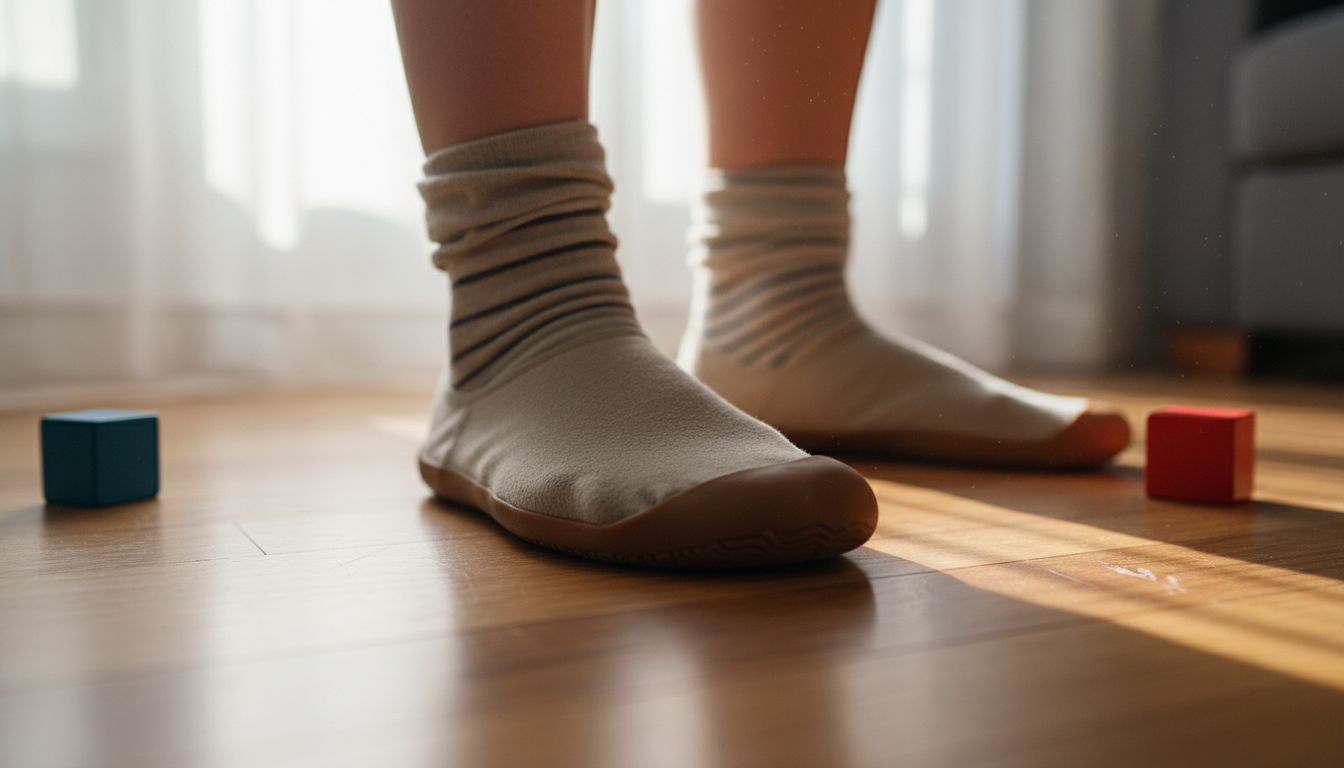
Barefoot footwear represents a diverse range of shoe designs that prioritise natural foot mechanics and enhanced movement. Minimalist shoes have emerged as a prominent category, characterised by their innovative approach to foot protection and biomechanical support. These shoes fundamentally challenge traditional footwear engineering by offering extremely lightweight constructions that enable wearers to experience near-barefoot sensations while providing essential protection against environmental surfaces.
Within the barefoot footwear category, several distinctive types stand out. Toe-separated shoes, such as Vibram FiveFingers, represent an extreme interpretation of barefoot design. These shoes feature individual compartments for each toe, allowing unprecedented natural movement and sensory feedback. Another variant includes zero-drop shoes, which maintain a completely flat sole profile, eliminating the traditional raised heel. Trail and road running shoes, hiking footwear, and casual walking shoes now incorporate these minimalist principles, demonstrating the growing acceptance of barefoot technology across multiple domains.
The technical features of barefoot footwear are meticulously engineered to support natural foot function. Key characteristics include ultra-thin, highly flexible soles that enable precise ground feel, wide toe boxes permitting natural toe splay, and minimal cushioning that encourages proprioceptive awareness. Outsole technologies have evolved to provide just enough protection while maintaining the critical goal of allowing feet to move and function as they would without shoes. This approach supports stronger foot muscles, improved balance, and potentially reduced injury risk by promoting more natural movement patterns.
How Barefoot Technology Supports Foot Health
Barefoot technology represents a revolutionary approach to foot health, fundamentally transforming how we understand biomechanical movement and support. Promoting a natural, balanced posture is at the core of this innovative design philosophy. By mimicking the foot’s inherent movement patterns, these specialised shoes help individuals restore and maintain optimal foot function, reducing the risk of chronic pain and structural complications that often arise from traditional restrictive footwear.
Foot health technologies focus on several critical mechanisms that support natural foot mechanics. Zero-drop soles eliminate the artificial heel elevation found in conventional shoes, encouraging a more balanced weight distribution across the entire foot. Wide toe boxes allow natural toe splay, preventing deformities and enhancing stability. Minimal cushioning and arch support challenge foot muscles to strengthen naturally, improving overall foot resilience and proprioceptive awareness. These design elements work synergistically to support the foot’s intrinsic biomechanical capabilities.
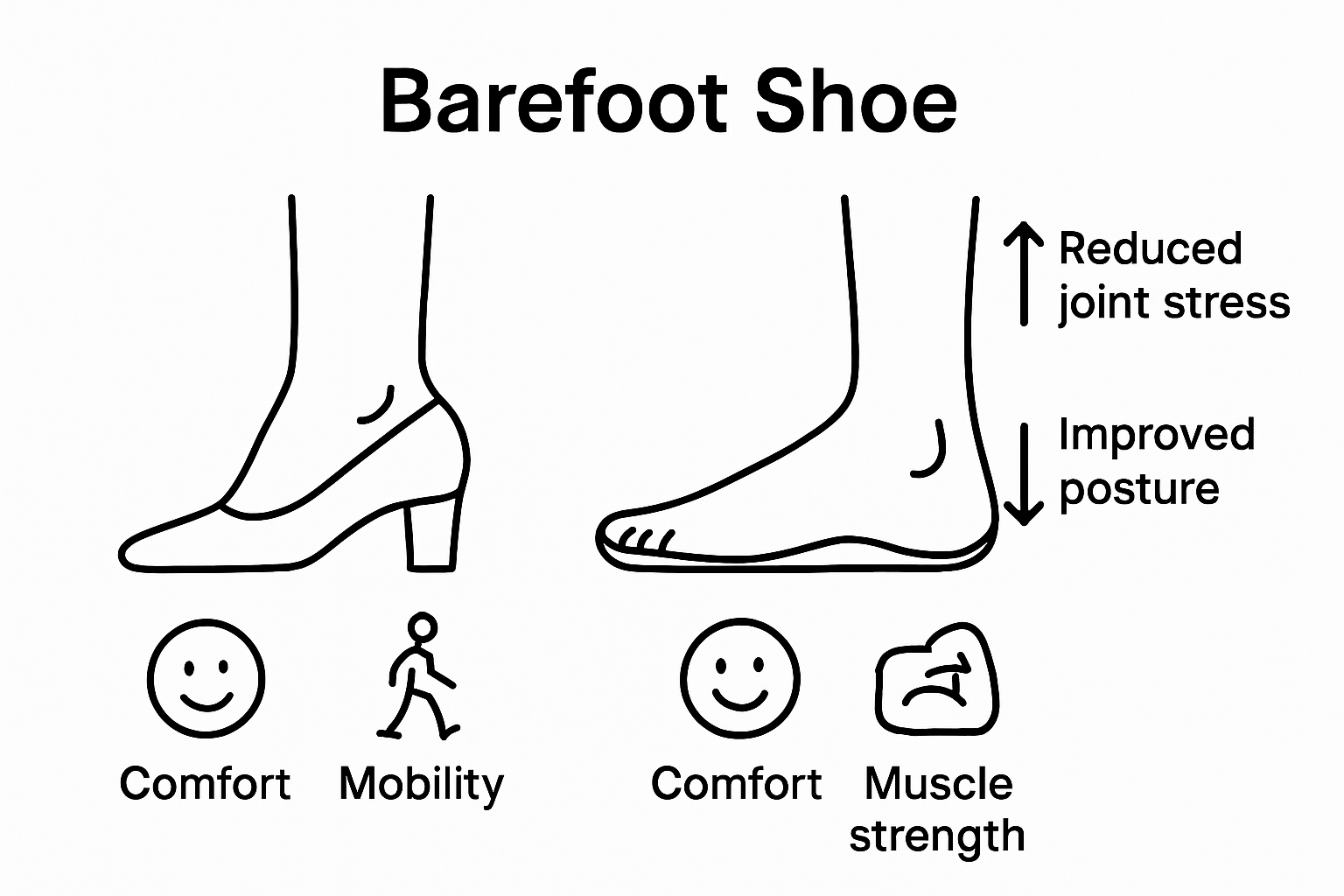
The long-term benefits of barefoot technology extend far beyond immediate comfort. By allowing feet to move and function as nature intended, these shoes contribute to improved posture, reduced joint stress, and enhanced muscular development in the feet and lower legs. Individuals experiencing chronic foot conditions, such as plantar fasciitis or recurring ankle instability, may find significant relief through footwear that supports natural movement patterns. The approach recognises that feet are sophisticated, self-regulating structures that thrive when provided with freedom of movement rather than excessive external support.
Everyday Applications and User Benefits
Minimalist shoes have revolutionised everyday footwear by offering versatile solutions across multiple lifestyle and activity domains. These innovative shoes provide remarkable flexibility for individuals seeking enhanced foot performance in daily activities, from casual walking to more intense physical pursuits. The technology enables users to experience a more natural connection with their environment while maintaining essential foot protection and comfort.
The range of practical applications is impressively broad. Athletic performance represents a primary domain where barefoot technology excels, with Vibram FiveFingers demonstrating exceptional utility in activities like sailing, fitness training, and outdoor adventures. Performance footwear users can benefit from improved balance, enhanced proprioception, and more efficient movement patterns. The shoes’ design supports natural foot mechanics across running, walking, hiking, and cross-training scenarios, making them an adaptable choice for fitness enthusiasts and professional athletes alike.
Beyond athletic applications, barefoot technology offers significant advantages for everyday comfort and wellness. The shoes’ ability to strengthen foot muscles, improve posture, and reduce joint stress makes them valuable for individuals with sedentary lifestyles, professionals who spend long hours standing, and those managing chronic foot conditions. By mimicking natural foot movement, these shoes provide a holistic approach to foot health that extends far beyond traditional footwear design, offering users a more intuitive and biomechanically aligned walking and movement experience.
Risks, Limitations, and Choosing the Right Shoe
Transitioning to barefoot footwear requires careful consideration and a methodical approach to minimise potential risks and ensure optimal adaptation. The shift from traditional supportive footwear to minimalist designs demands a nuanced understanding of individual foot mechanics, physical condition, and personal movement patterns. Potential users must recognise that this technology represents a significant biomechanical adjustment, not merely a fashion choice.
Individuals considering barefoot technology should be aware of several critical limitations and potential challenges. Gradual adaptation is paramount, as sudden complete transitions can lead to discomfort, muscle strain, or increased injury risk. Shoes for problem feet require careful selection, particularly for those with pre-existing foot conditions, structural abnormalities, or specific medical requirements. Key considerations include assessing personal gait mechanics, understanding individual foot structure, and consulting healthcare professionals who can provide personalised guidance.
Choosing the right barefoot shoe involves a comprehensive evaluation of multiple factors. Individuals should consider their primary activity type, existing foot conditions, walking or running surfaces, and personal comfort preferences. Recommended selection criteria include evaluating sole flexibility, toe box width, overall weight, and ground feedback potential. Importantly, users should commence with short duration wear, progressively increasing exposure time to allow foot muscles to strengthen and adapt naturally. This measured approach helps mitigate potential discomfort and supports a successful transition to barefoot technology footwear.
Experience the Future of Foot Health with Barefoot Technology
Are you ready to overcome the discomfort and limitations caused by traditional footwear? The article highlights the challenges of restrictive shoes that impede natural foot movement and cause chronic pain or postural issues. Our selection of barefoot and minimalist shoes at YDA UK is specially designed to support zero-drop soles, wide toe boxes, and flexible construction that promote natural biomechanics and strengthen your feet gradually.

Take control of your foot health today with shoes that combine style, comfort, and advanced foot health technology. Discover how our range tackles common problems like joint stress and poor posture while enhancing energy efficiency for everyday wear. Explore the innovative options at YDA UK, including shoes that are perfect for those transitioning to barefoot technology. Your feet deserve the freedom to move naturally — start your journey now.
Frequently Asked Questions
What is barefoot technology?
Barefoot technology refers to an innovative approach to footwear design that mimics natural foot movement and supports biomechanical efficiency by enabling feet to move as they would without shoes.
What are the key features of barefoot footwear?
Key features of barefoot footwear include zero-drop soles, wide toe boxes for natural toe splay, minimal arch support, and ultra-thin, highly flexible soles that promote natural movement patterns and proprioceptive awareness.
How does barefoot technology support foot health?
Barefoot technology promotes foot health by encouraging a balanced posture, reducing joint stress, and strengthening foot muscles through designs that allow for natural movement and function.
What should I consider when transitioning to barefoot footwear?
When transitioning to barefoot footwear, it’s important to adapt gradually, assess personal foot mechanics, and select shoes based on activity type and individual comfort preferences to avoid discomfort or injury.
Recommended
- Footwear Technology Explained: Comfort and Performance – YDA UK
- The Essential Guide to the Role of Footwear Technology – YDA UK
- Role of Footwear in Daily Comfort: Complete Guide – YDA UK
- 7 Key Benefits of Foot Health Shoes for Everyday Comfort – YDA UK
- Best Plush Robes for Women – Expert Comparison 2025 – Lotus Linen
- Understanding Hot Tub Relaxation: Benefits and Insights - ClearSpa™