
Sports shoes sole types: performance explained
TL;DR:
- The sole beneath your foot impacts support, grip, and injury risk more than many realize.
- Material choices and design features must match activity, environment, and individual biomechanics for optimal performance.
The sole beneath your foot decides far more than you might expect. Understanding the different sports shoes sole types is the difference between choosing a shoe that genuinely supports your activity and one that fights against you. Most people focus on the upper, the brand, or the colourway. The sole, split into outsole, midsole, and insole layers, governs cushioning, grip, energy return, and joint loading. Get it right and you perform better with less fatigue. Get it wrong and you risk discomfort, early wear, and even injury.
Table of Contents
- Key takeaways
- Common sole materials and what they do
- How sole design shapes movement and mechanics
- Matching sole types to sports and environments
- Sole durability, fit, and injury prevention
- My perspective on sole technology and consumer choices
- How Ydauk approaches sole design
- FAQ
Key takeaways
| Point | Details |
|---|---|
| Material choice is context-specific | Rubber excels in wet and cold conditions; EVA suits hot, dry climates; TPU works well across most environments. |
| Midsole hardness affects joint mechanics | Softer midsoles alter ankle and knee stiffness, which influences both comfort and injury risk over time. |
| Sole geometry matters as much as material | Rocker profiles and tread depth shape gait mechanics and fatigue levels, not just the foam compound. |
| Activity dictates design requirements | Running, court sports, and trail use each demand different outsole stiffness, tread pattern, and rubber coverage. |
| Fit and sole choice are linked | Foot swelling during activity affects how sole geometry interacts with your mechanics, so fitting matters as much as material. |
Common sole materials and what they do
Understanding the varieties of sports shoe soles starts with the materials themselves. Each compound has a distinct personality, and knowing what you are standing on helps you choose with confidence.
Rubber is the oldest and most trusted outsole material in sports footwear. Its molecular structure means it retains elasticity and grip in extreme cold, performing down to -40°F without becoming brittle. Rubber also sheds water reliably, making it the go-to choice for wet pavements, autumn trail runs, and outdoor court surfaces. Carbon rubber, which uses reinforced compounds, extends lifespan significantly and appears in the heel sections of many high-mileage training shoes.
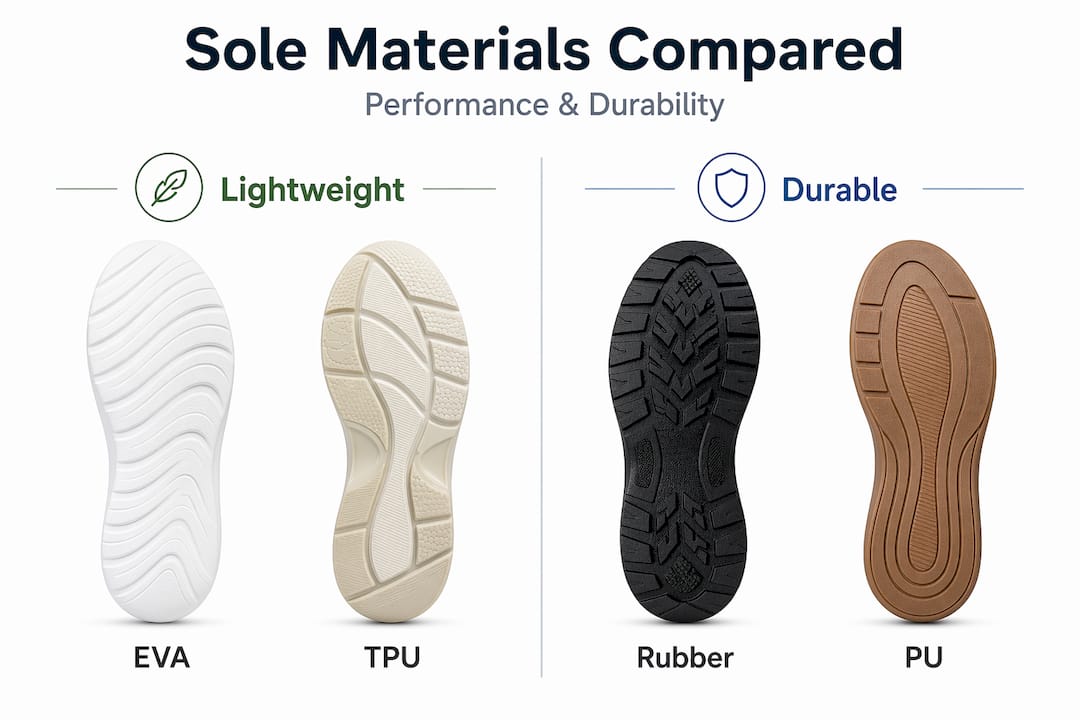
EVA (ethylene-vinyl acetate) is the dominant midsole material in modern sports shoes. It weighs 40 to 50% less than rubber and provides the cushioning that absorbs impact during repetitive movement. EVA midsoles can reduce impact forces by up to 25 to 40%, which explains its prevalence in running shoe sole variations. The trade-off is durability. EVA compresses over time and performs best in hot, dry conditions where its foam structure stays responsive.
PU (polyurethane) lasts two to three times longer than EVA under sustained use, but it comes with a penalty. PU is heavier, and it stiffens noticeably in cold weather, making it a poor choice for winter training. It suits occupational footwear or sports where daily wear volume is moderate rather than intense.
TPU (thermoplastic polyurethane) sits between rubber and PU in the performance spectrum. It is stable across a temperature range from -20°F to 120°F, which makes it a genuine all-season material. TPU holds its shape under repeated stress and resists abrasion well, making it popular in court and multi-sport shoes. For those who train year-round without switching shoes by season, TPU is often the most practical best sole material for sports shoes.
Leather outsoles appear in traditional athletic and indoor court shoes. They provide a smooth, consistent feel on dry surfaces and mould gently to foot shape over time. However, they absorb water, degrade quickly outdoors, and offer minimal grip on wet surfaces. Leather is functional in very specific, dry indoor settings only.
| Material | Best condition | Durability | Weight |
|---|---|---|---|
| Rubber | Wet, cold, all-terrain | High | Medium |
| EVA | Hot, dry, cushioning-focused | Low to medium | Very light |
| PU | Moderate use, dry | Very high | Heavy |
| TPU | All seasons, court/multi-sport | High | Medium |
| Leather | Dry, indoor only | Low outdoors | Medium |
Pro Tip: When shopping for running shoes, check whether the outsole uses carbon rubber in the heel and blown rubber in the forefoot. This split setup balances durability where you need it most with flexibility where your foot bends.
How sole design shapes movement and mechanics
Material choice is only half the story. The geometry of a sole, how it is shaped, how stiff it is, and how its tread is arranged, profoundly influences how your body moves.
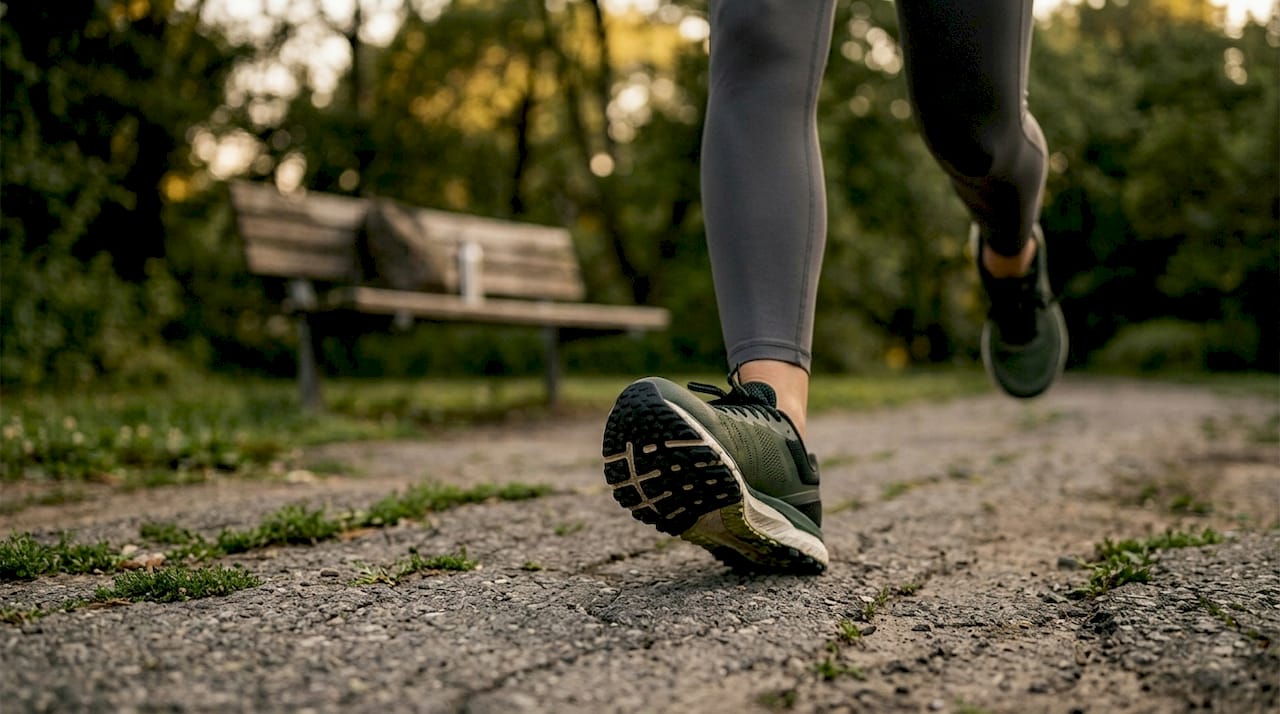
Midsole hardness is one of the most studied variables in sports biomechanics. Research with 25 runners found that softer midsoles increase impact peaks while decreasing loading rates, which alters both ankle and knee stiffness. This is not simply a comfort issue. Repeated changes in joint stiffness contribute to fatigue and, over time, can influence injury patterns. The difference in shoe sole designs at the midsole level genuinely matters to your joints.
Rocker soles offer a compelling example of geometry over material. By curving the sole front to back, rocker profiles shift weight from heel to toe more smoothly, easing the propulsion phase of each stride and reducing the muscular effort required. This design is particularly useful for those with forefoot pain, plantar fasciitis, or long-distance fatigue. The geometry innovation behind rocker soles has moved the conversation beyond simple foam hardness, pushing sole technology in sports footwear toward a more nuanced understanding of gait.
Tread pattern and depth directly govern surface-specific traction. Here is how they break down by application:
- Flat or herringbone patterns suit indoor court surfaces. They create even contact across the surface without channelling grip into specific directions, which supports the multidirectional movement typical of basketball and volleyball.
- Shallow, closely spaced lugs work well on packed dirt and light trail surfaces. They shed debris without sacrificing contact area on firmer ground.
- Deep, widely spaced lugs are built for soft, muddy terrain. The spacing allows mud clearance between strikes so grip does not disappear beneath accumulated debris.
- Siping (fine cuts across the outsole) increases edge grip on wet, hard surfaces by multiplying the number of biting edges in contact with the ground.
The stiffness of a sole from heel to toe, called longitudinal flexibility, controls how energy travels through your foot during movement. A stiffer sole directs energy forward efficiently, which benefits sprinting and cycling. A more flexible sole allows natural toe bend, which suits trail running and court agility work. Neither extreme is universally better; the correct balance depends on the movement demands of your sport.
Pro Tip: Twist a prospective sports shoe in your hands before buying. It should resist twisting firmly (torsional stability) but fold relatively easily from heel to toe. If it twists like a cloth, it lacks the midfoot support most activities require.
Matching sole types to sports and environments
Practical guidance matters most when you are standing in a shop or browsing online. The science only helps if it translates into clear decisions.
-
Running on roads. Road running shoes combine EVA midsoles with rubber outsoles for a reason. The EVA absorbs impact across hundreds of footstrikes per kilometre while the rubber outsole grips tarmac and resists abrasion. High-performance race shoes often reduce rubber coverage to save weight, trading longevity for speed. If you run more than 60 kilometres per week, prioritise a larger rubber coverage area to extend the shoe’s life.
-
Basketball and indoor court sports. Basketball shoe sole types need to grip without locking. Excessive outsole stickiness restricts rotational movement during rapid pivots, which puts stress on knees and ankles. The best court outsoles use a medium-tack compound that grips firmly but releases cleanly during direction changes.
-
Trail running and hiking. Trail shoes use aggressive rubber lugs and carbon rubber compounds for grip and durability over technical terrain. The midsole tends to be firmer than road shoes to protect against sharp rocks. A rock plate, a thin rigid layer inside the midsole, prevents puncture injuries on rocky paths.
-
Cold, wet conditions. Natural rubber’s molecular properties retain grip and flexibility at temperatures well below freezing. If you train outdoors in winter, a rubber outsole is not optional. EVA midsoles become slightly firmer in the cold, which actually suits some runners who prefer a more responsive feel in cooler weather.
-
Hot, dry climates. EVA comes into its own here. Heat keeps the foam responsive and pliant. TPU also performs well across hot conditions and suits those who want to use a single pair of shoes year-round without worrying about temperature sensitivity.
For spiked sport-specific footwear such as golf shoes, understanding sole traction by terrain type follows many of the same principles around surface grip and rotational release that apply across court and outdoor sports.
Sole durability, fit, and injury prevention
The practical consequences of sole choice extend beyond performance. Durability, fit mechanics, and joint health all connect directly to the sole you choose.
PU’s longer lifespan sounds appealing, but the weight penalty accumulates over a long run. Heavier soles increase the muscular effort required to lift and swing the foot with each stride, which adds up to significant fatigue over distance. EVA is lighter but compresses with heavy use, losing cushioning effectiveness before the upper shows visible wear. This means the shoe looks fine but is no longer protecting your joints adequately.
Fit interacts with sole function in ways that catch many buyers off guard. Feet swell during sustained activity, sometimes by a full size. A thumb’s width of space in the toe box is the standard recommendation for running and court sports. Too little space causes the toe to press repeatedly against the front of the shoe during the push-off phase, which leads to nail trauma and elevated fungal infection risk according to podiatrist-backed guidance.
Key points for avoiding common sole-related mistakes:
- Replace running shoes after 500 to 800 kilometres, even if the outsole looks intact. The midsole loses its cushioning properties long before the rubber outsole wears through.
- Test shoes at the end of the day or after light activity when your feet are at their largest.
- Sole hardness should match your pronation pattern. Overpronators generally benefit from a firmer medial post in the midsole; neutral runners have more flexibility in their choice.
- If you cross-train, consider having two pairs with different sole profiles rather than compromising with one shoe designed for neither activity fully.
Pro Tip: Press your thumb firmly into the midsole of an older shoe. If it barely compresses, the EVA foam has bottomed out. A healthy midsole should yield noticeably under moderate thumb pressure.
My perspective on sole technology and consumer choices
I have spent considerable time looking at how footwear brands market sole technology, and the gap between what is communicated and what actually matters to real athletes is remarkable.
Most buyers focus on cushioning thickness. Brands know this, so they stack foam higher and call it innovation. What I have found far more meaningful in practice is the geometry of the sole rather than the sheer volume of material beneath the foot. Rocker profiles, torsional stiffness, and lug placement consistently deliver more noticeable performance differences than switching from one foam density to another. The emphasis on geometry-led sole design is, to my mind, the genuinely underappreciated shift in sole technology in sports footwear over the past decade.
I also see a persistent misunderstanding around durability. People often choose shoes with thick rubber outsoles expecting a long-lasting shoe, only to find the midsole has worn out in six months. The outsole is the visible layer. The midsole is the one doing the critical work, and it ages invisibly. Understanding this distinction has changed how I advise people on when to replace shoes far more than any conversation about sole materials.
The practical upshot: stop looking for the universally best sole. There is no such thing. The right choice matches your body mechanics, your primary surface, your climate, and how often you train. A well-chosen lighter sole on a shoe that fits correctly will outlast and outperform a thicker, heavier sole on a shoe that does not suit your movement pattern.
— Panagiotis
How Ydauk approaches sole design
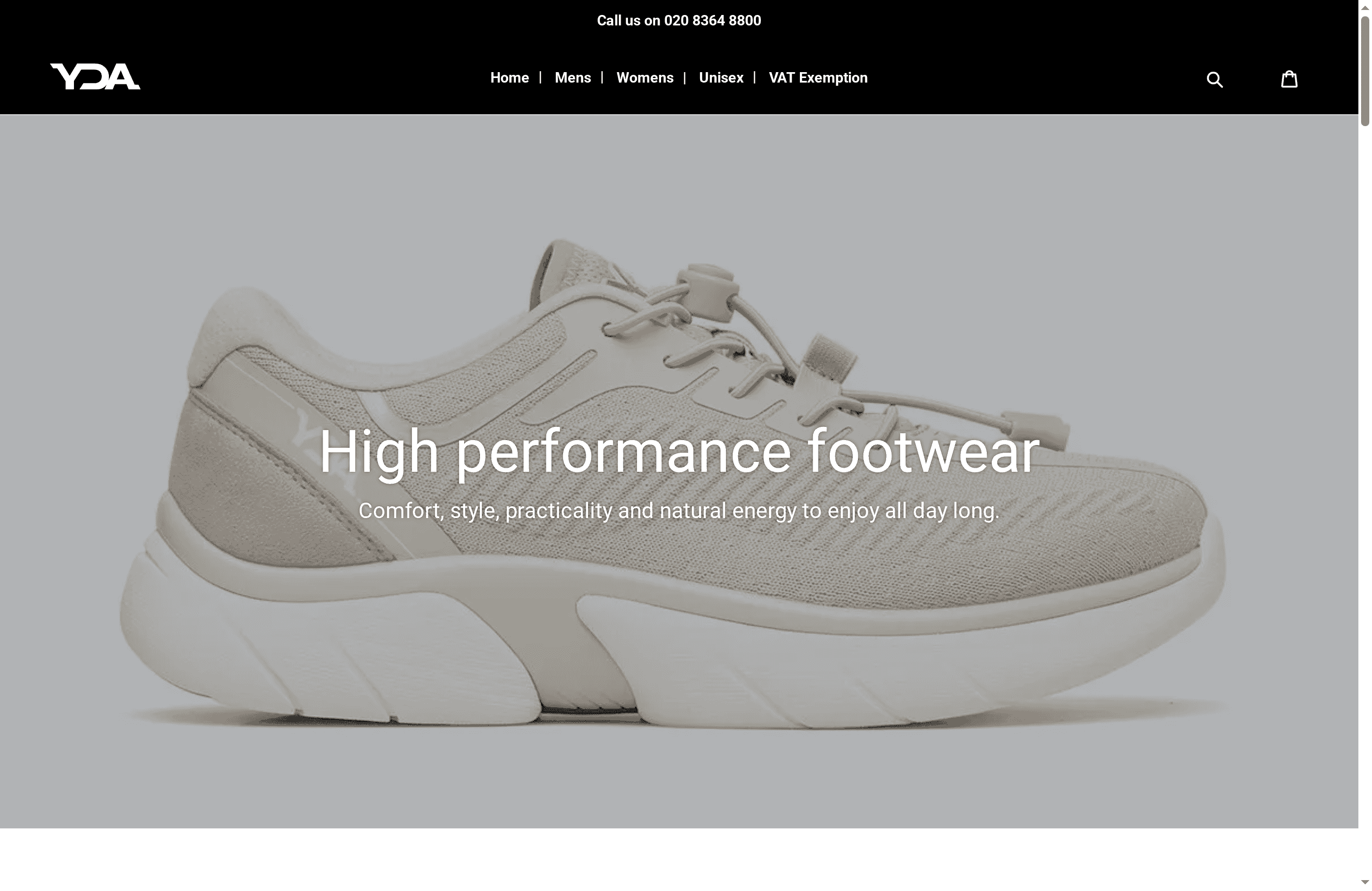
Ydauk builds its footwear around a central principle that sole design should serve the foot, not simply protect it. The YDA Technology platform brings together material science and biomechanical geometry to produce soles that respond to natural foot movement rather than overriding it.
The sole systems used across Ydauk’s range address the real-world trade-offs this article covers. Where cushioning is needed without weight penalty, EVA-based compounds are tuned to stay responsive across the temperature ranges UK wearers encounter. Where durability and all-season stability matter, TPU elements provide resilience without the cold-weather stiffness that makes PU unsuitable for year-round training.
If you have read this far, you understand that sole choice is deeply personal. Ydauk’s product pages include detailed sole specification notes precisely because the brand understands that informed buyers make better decisions and stay happier with their purchases. Exploring the full YDA shoe technology gives you a clear picture of how each design decision connects to the performance outcomes that matter to you.
FAQ
What are the main sports shoes sole types?
The main sports shoe sole types include rubber, EVA, PU, TPU, and leather outsoles, each suited to different surfaces, climates, and activity intensities. Most modern performance shoes layer these materials, using EVA in the midsole and rubber on the outsole.
Which sole material lasts the longest?
PU (polyurethane) lasts two to three times longer than EVA under regular use, though it is heavier and stiffens in cold temperatures. Carbon rubber outsoles also offer excellent abrasion resistance for high-mileage training shoes.
How do I choose the right sole for running?
Running shoes typically combine an EVA midsole for cushioning with a rubber outsole for traction and durability. Match sole hardness to your pronation pattern and replace shoes every 500 to 800 kilometres, when the midsole loses its compression capacity.
Are basketball shoe soles different from running shoe soles?
Yes. Basketball shoe sole types prioritise lateral support and a medium-tack outsole that grips without over-sticking. Excessive grip during pivots restricts rotational movement and increases joint strain, which is why basketball outsoles use different compounds than road running shoes.
Does climate affect which sole I should choose?
Climate is a primary factor. Rubber retains grip and flexibility in cold and wet conditions; EVA performs best in hot, dry climates; TPU offers reliable all-season performance across a broad temperature range.