
Why Monitor Shoe Wear – Protecting Foot Health
Finding high-quality footwear that combines comfort, style, and science-backed support can feel overwhelming, especially if you are managing foot conditions or diabetes. Your shoe choice directly affects not only daily comfort but also long-term foot health and mobility. By understanding the value of advanced monitoring techniques—from clinical assessment to smart sensors—you can make informed decisions to maintain healthy feet and prevent potential complications.
Table of Contents
- What Monitoring Shoe Wear Involves
- Types of Shoe Wear and Their Causes
- Impact on Foot Health and Comfort
- Risks for Diabetes and Sensitive Feet
- When to Replace Shoes for Best Results
Key Takeaways
| Point | Details |
|---|---|
| Importance of Monitoring | Regularly assess shoe wear to prevent foot health complications and improve biomechanical performance. |
| Advanced Monitoring Techniques | Utilize smart footwear technologies for precise tracking of wear patterns and potential injury risks. |
| Shoe Replacement Guidance | Replace shoes when significant wear indicators appear to maintain proper foot support and avoid discomfort. |
| Diabetic Foot Care | Individuals with diabetes must prioritise specialized footwear to mitigate serious health risks related to foot injuries. |
What Monitoring Shoe Wear Involves
Monitoring shoe wear is a sophisticated process that goes far beyond simple visual inspection. Modern approaches integrate clinical assessment and advanced technological tracking to understand how footwear impacts foot health over time. The goal is comprehensive evaluation of structural integrity, biomechanical performance, and potential risk factors.
Clinical monitoring involves several critical components:
- Structural assessment of shoe materials and construction
- Detailed evaluation of motion control characteristics
- Analysis of specific wear patterns across different shoe regions
- Measurement of cushioning and support degradation
With the emergence of smart footwear technologies, researchers can now collect granular data about shoe usage and biomechanical impacts. These technologies enable precise tracking of:
- Pressure distribution during walking
- Frequency and intensity of shoe usage
- Biomechanical stress points
- Potential indicators of impending shoe failure
Healthcare professionals use specialised footwear assessment tools that help determine when shoes require replacement. These tools consider factors like material breakdown, cushioning effectiveness, and asymmetrical wear that could indicate underlying biomechanical issues.
Advanced monitoring techniques provide insights that extend beyond traditional wear assessment. They help predict potential foot injuries, recommend personalised footwear interventions, and support proactive foot health management.
Below is a summary of the key differences between traditional and advanced shoe wear monitoring techniques:
| Aspect | Traditional Assessment | Advanced Monitoring |
|---|---|---|
| Tools Used | Visual/manual inspection | Sensors, gait analysis |
| Data Collected | Subjective observations | Quantitative usage metrics |
| Injury Prevention | Reactive (after damage) | Proactive (early detection) |
| Replacement Timing | Experience-based | Evidence-driven |
Pro tip: Rotate between multiple pairs of shoes and track their wear patterns systematically to extend overall footwear lifespan and maintain optimal foot support.
Types of Shoe Wear and Their Causes
Shoe wear is a complex phenomenon influenced by multiple factors, ranging from individual biomechanics to environmental conditions. Characteristic wear patterns emerge differently across various footwear types, reflecting the unique demands of their intended use.
Primary types of shoe wear include:
- Sole erosion: Gradual breakdown of shoe bottom material
- Heel degradation: Uneven wearing of heel regions
- Upper material damage: Structural weakening of shoe upper sections
- Asymmetrical wear: Irregular patterns caused by individual walking mechanics
Biomechanical factors significantly contribute to shoe wear development. These include:
- Overpronation during walking or running
- Improper shoe fit
- Repetitive strain from specific movement patterns
- Individual gait characteristics
Different shoe categories exhibit unique wear characteristics:
Here’s a comparison of how different shoe categories typically wear and their recommended monitoring approaches:
| Shoe Category | Typical Wear Pattern | Best Monitoring Method |
|---|---|---|
| Athletic Shoes | Rapid sole, heel erosion | Usage tracking, pressure mapping |
| Formal Shoes | Localised toe, heel wear | Visual inspection, manual flex test |
| Work Boots | Material cracking, upper damage | Structural checks, moisture assessment |
| Casual Footwear | Even, gradual wear | Periodic rotation, general inspection |
- Athletic shoes: Rapid sole and heel wear from high-impact activities
- Formal shoes: Concentrated wear on toe and heel regions
- Work boots: Robust material degradation from challenging environments
- Casual footwear: More gradual and uniform wear patterns
Understanding individual wear patterns can help predict potential foot health risks and optimise footwear selection.
The underlying causes of shoe wear are multifaceted, including material quality, construction techniques, user habits, and environmental exposure. Shoe styles and usage contexts play crucial roles in determining the specific wear mechanisms experienced by different footwear types.
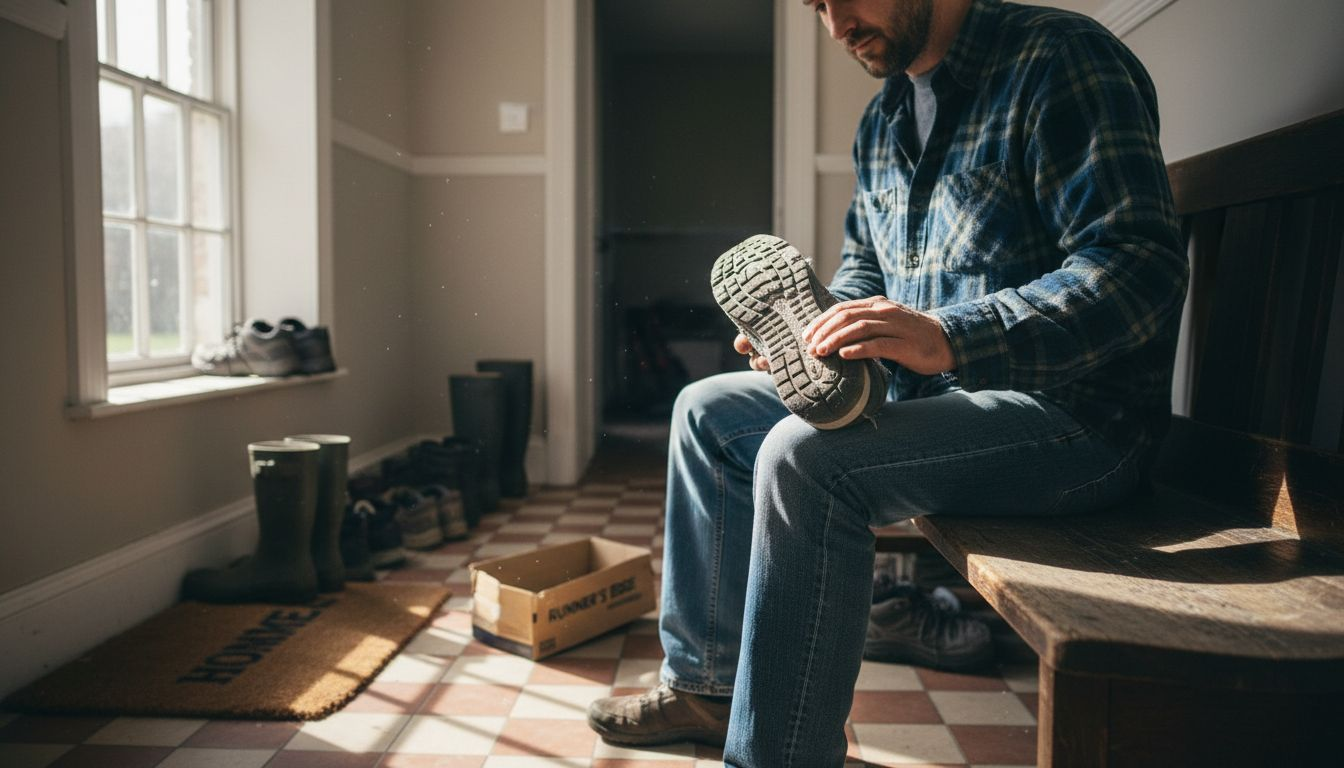
Pro tip: Regularly inspect your shoes for uneven wear patterns and replace them before significant structural deterioration occurs to maintain optimal foot support and prevent potential biomechanical issues.
Impact on Foot Health and Comfort
Proper shoe condition is fundamental to maintaining overall foot health and preventing potential musculoskeletal complications. Worn or ill-fitting shoes can trigger a cascade of painful conditions that extend far beyond temporary discomfort, potentially leading to long-term mobility challenges.
Key health impacts of inappropriate footwear include:
- Biomechanical misalignment: Causing postural stress
- Pressure point development: Creating painful calluses
- Reduced mobility: Limiting physical activity
- Increased injury risk: Compromising foot structural integrity
The consequences of prolonged poor shoe maintenance manifest through various physiological challenges:
- Chronic foot pain
- Increased joint stress
- Potential nerve compression
- Accelerated muscle fatigue
- Compromised walking mechanics
Footwear acts as a critical interface between the human body and ground, directly influencing overall physical performance and comfort.
Footwear comfort fundamentals depend on multiple interconnected factors. Lightweight shoes with appropriate cushioning, precise arch support, and adequate toe room can significantly mitigate potential health risks, especially for vulnerable populations such as elderly individuals or those managing chronic conditions.
Critical elements influencing foot health through shoe maintenance include:
- Consistent shoe inspection
- Understanding individual foot anatomy
- Recognising early wear signs
- Proactive footwear replacement strategy
Pro tip: Conduct monthly shoe assessments, checking for uneven wear patterns, compressed cushioning, and structural deformities to prevent potential foot health complications.
Risks for Diabetes and Sensitive Feet
Diabetic foot complications represent a serious medical challenge, where inappropriate footwear can dramatically escalate health risks. Individuals with diabetes face unique vulnerabilities due to nerve damage and reduced circulation, making their feet exceptionally susceptible to unnoticed injuries and potential long-term complications.
Critical risks for diabetic foot health include:
- Neuropathy-related insensitivity: Reduced pain perception
- Compromised blood circulation: Slower healing mechanisms
- Increased infection vulnerability: Higher amputation risks
- Pressure point sensitivity: Rapid ulcer development
The physiological challenges specific to diabetic foot care manifest through multiple complex mechanisms:
- Diminished nerve sensitivity
- Reduced immune response
- Impaired wound healing capabilities
- Higher inflammation propensity
- Accelerated tissue breakdown
Proper footwear is not a luxury, but a critical medical intervention for diabetic foot protection.
Daily foot monitoring strategies become paramount in managing these risks. Protective shoes must provide:
- Precise cushioning
- Seamless interior construction
- Extra volume for potential swelling
- Pressure distribution
- Breathable materials
People with diabetes require vigilant, proactive approaches to prevent potentially devastating foot complications. Understanding individual foot anatomy, recognising early warning signs, and investing in specialised footwear can significantly mitigate serious health risks.
Pro tip: Conduct daily visual and tactile foot inspections, checking for any changes in skin colour, temperature, or unexplained marks, and consult healthcare professionals immediately if abnormalities are detected.
When to Replace Shoes for Best Results
Shoe wear indicators reveal critical insights into footwear’s protective capabilities and potential health risks. Understanding when to replace shoes transcends aesthetic considerations, directly impacting foot health, biomechanical performance, and injury prevention.
Comprehensive shoe replacement criteria include:
- Outsole deterioration: Visible tread wear or uneven surface
- Midsole compression: Reduced cushioning and visible creases
- Interior structural damage: Weakened shoe infrastructure
- Upper material breakdown: Compromised shoe integrity
Principal factors determining shoe replacement timing involve:
- Total distance travelled
- Activity intensity
- Individual walking mechanics
- Material quality
- Storage and maintenance conditions
Proactive shoe replacement prevents cumulative biomechanical stress and potential foot-related complications.
Significant warning signs necessitating immediate shoe replacement include:
- Asymmetrical sole wear
- Visible interior breakdown
- Reduced shock absorption
- Persistent discomfort during movement
- Noticeable flexibility changes
Maintaining optimal footwear requires systematic monitoring and understanding of individual wear patterns. Different activities and usage environments dramatically influence shoe longevity, making personalised assessment crucial.
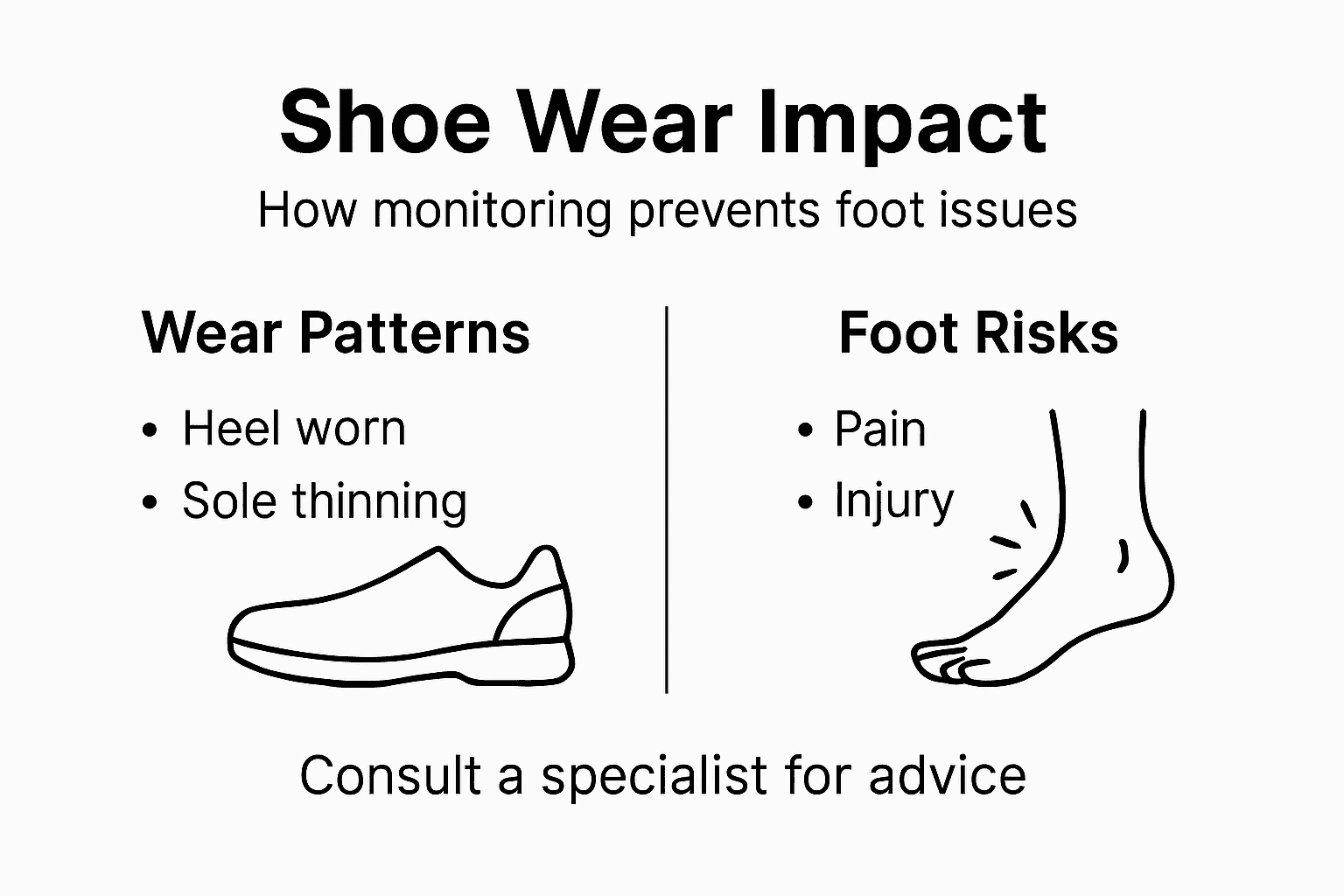
Pro tip: Track your shoe mileage, perform monthly visual inspections, and consider professional assessment if experiencing unexplained foot discomfort or noticing unusual wear patterns.
Take Control of Your Foot Health with Smart Footwear Choices
Understanding why monitoring shoe wear matters is the first step to protecting your feet from discomfort and injury. If you have noticed uneven wear patterns or feel your current shoes no longer provide the cushioning and support they once did, it is essential to act promptly. At YDA UK, we offer a specialised collection of high-performance footwear designed to combine style with advanced foot health technology, helping you maintain optimal biomechanical alignment and reduce foot-related risks.

Explore our range of innovative shoes that prioritise cushioning, support, and durability. Don’t wait for pain or injury to signal that it is time for new footwear. Visit YDA UK today to find the perfect pair engineered for your wellbeing and take a proactive approach to your foot health. Your feet deserve the best – start your journey now.
Frequently Asked Questions
What are the key indicators that shoes need to be replaced?
Common indicators include visible tread wear on the outsole, reduced cushioning in the midsole, structural damage to the interior, and breakdown of the upper material. Regularly inspecting your shoes for these signs is crucial for maintaining foot health.
How can monitoring shoe wear help prevent foot injuries?
Monitoring shoe wear can reveal wear patterns that may lead to biomechanical stress and potential injuries. By identifying early signs of wear, you can proactively replace shoes before they compromise foot health and function.
What advanced technologies are used to monitor shoe wear?
Advanced technologies include smart footwear that tracks pressure distribution, frequency and intensity of use, and biomechanical stress points. These tools provide valuable data for predicting foot injuries and recommending personalised footwear interventions.
How does shoe wear specifically affect individuals with diabetes?
Individuals with diabetes are at a higher risk of foot complications due to reduced nerve sensitivity and circulation. Regularly monitoring shoe wear can help mitigate risks like pressure points and ulcers, making the choice of appropriate footwear critical for their foot health.