
Impact of Shoe Weight – How It Shapes Footwear Health
Choosing shoes can often feel confusing when myths and trends cloud the facts. For health-conscious people, athletes, and anyone managing foot discomfort, understanding the real impact of shoe weight matters. Research confirms that shoe weight interacts with foot structure, biomechanical differences, and how you move, making the right choice unique for every individual. You will discover how a smart approach to shoe selection can enhance daily comfort, protect foot health, and support your active routine.
Table of Contents
- Defining Shoe Weight and Common Myths
- Variations in Shoe Weight by Footwear Type
- How Shoe Weight Affects Foot Health
- Energy Use, Comfort, and Performance Outcomes
- Design Innovations for Lightweight Footwear
- Risks and Comparisons to Heavier Shoes
Key Takeaways
| Point | Details |
|---|---|
| Shoe weight is subjective | Individual foot structure and intended activity heavily influence comfort and performance, meaning lighter shoes aren’t always better. |
| Weight varies by footwear type | Different categories like running, trail, and basketball shoes have specific weight profiles optimised for their intended functions. |
| Lighter shoes offer performance benefits | They can enhance energy efficiency, but may lack the support needed for certain activities, impacting long-term health. |
| Consider comprehensive fit over weight | Prioritising a shoe’s fit and functionality is essential for maintaining foot health, rather than merely chasing the lightest option available. |
Defining Shoe Weight and Common Myths
Shoe weight represents more than a simple numerical measurement - it’s a complex characteristic influencing foot biomechanics, comfort, and overall performance. Understanding this nuanced concept requires dispelling several prevalent myths while examining scientific evidence about footwear design.
Many individuals mistakenly believe that lighter shoes are universally superior, but the reality is far more sophisticated. Detailed biomechanical research demonstrates that shoe weight impacts comfort differently across various contexts and individual physiological profiles. The perception of shoe weight is subjective and depends on multiple factors including:
- Individual foot structure
- Intended activity or usage
- Personal biomechanical characteristics
- Material composition of the footwear
- Walking or running gait patterns
Contrary to popular belief, shoe weight isn’t a binary good-or-bad metric. Comprehensive studies on footwear design reveal that moderate weight can actually provide stability and support that ultralight shoes might compromise. Shoe weight interacts dynamically with foot mechanics, meaning lighter isn’t always definitively better.
Perhaps the most significant myth is that shoe weight directly correlates with comfort or performance. Scientific evidence suggests comfort emerges from complex interactions between shoe design, material properties, individual anatomy, and intended use. A shoe weighing slightly more might offer superior cushioning, arch support, or motion control compared to an extremely lightweight alternative.
Pro tip: When selecting footwear, prioritise comprehensive fit and intended functionality over arbitrary weight considerations.
Variations in Shoe Weight by Footwear Type
Shoe weight is not a uniform characteristic but varies dramatically across different footwear categories, reflecting diverse design requirements and intended uses. Comprehensive biomechanical research demonstrates that shoe weight can range significantly, influencing performance and comfort across various activity types.
Athletic footwear exhibits remarkable weight variations depending on specific sporting disciplines. Running shoes typically weigh between 255-415 grams, with nuanced differences impacting biomechanical performance. Different athletic categories showcase distinct weight profiles:
- Running Shoes: Ultralight designs (255-300g)
- Trail Running Shoes: Heavier, more robust construction (350-450g)
- Basketball Shoes: Substantial weight for ankle support (400-500g)
- Walking Shoes: Moderate weight for stability (300-400g)
- Hiking Boots: Heaviest category, prioritising durability (600-900g)
Shoe weight interacts dynamically with intended activity, meaning weight isn’t merely about minimalism but about matching design to functional requirements. Athletic footwear biomechanics reveals that each footwear type demands unique weight characteristics to optimise performance and protect the wearer.
Casual and specialised footwear further demonstrate this complexity. Dress shoes, work boots, and orthopedic footwear each have distinctive weight profiles driven by materials, construction techniques, and specific performance needs. A lightweight dress shoe might prioritise elegance, while a work boot emphasises protection and durability.
Here’s a summary comparing the impact of shoe weight across footwear categories:
| Footwear Type | Typical Weight Range | Primary Design Focus | Key Biomechanical Effect |
|---|---|---|---|
| Running Shoes | 255–415 grams | Energy efficiency | Reduced fatigue, flexible gait |
| Trail Running Shoes | 350–450 grams | Protection, grip | Enhanced stability, increased support |
| Basketball Shoes | 400–500 grams | Ankle support, shock absorption | Limited speed, more support |
| Walking Shoes | 300–400 grams | Stability, comfort | Balanced cushioning, easy stride |
| Hiking Boots | 600–900 grams | Durability, foot protection | Increased strain, robust support |
Pro tip: Select footwear by matching its weight to your specific activity rather than pursuing the lightest option available.
How Shoe Weight Affects Foot Health
Comprehensive foot health research reveals that shoe weight plays a critical role in maintaining optimal podiatric wellness. The intricate relationship between footwear mass and foot biomechanics extends far beyond simple comfort, directly impacting physiological functioning and potential injury risk.
The biomechanical implications of shoe weight are profound and multifaceted. Different weight characteristics can significantly influence foot mechanics, potentially leading to various health outcomes:
- Increased impact forces during walking and running
- Potential development of muscular compensation patterns
- Risk of altered gait mechanics
- Higher likelihood of repetitive strain injuries
- Changes in proprioceptive feedback from feet
Biomechanical studies demonstrate that heavier shoes can create asymmetrical movement patterns, increasing stress on joints and potentially compromising natural foot function. Shoe weight acts as a critical factor in distributing body weight, absorbing shock, and maintaining proper alignment during movement.
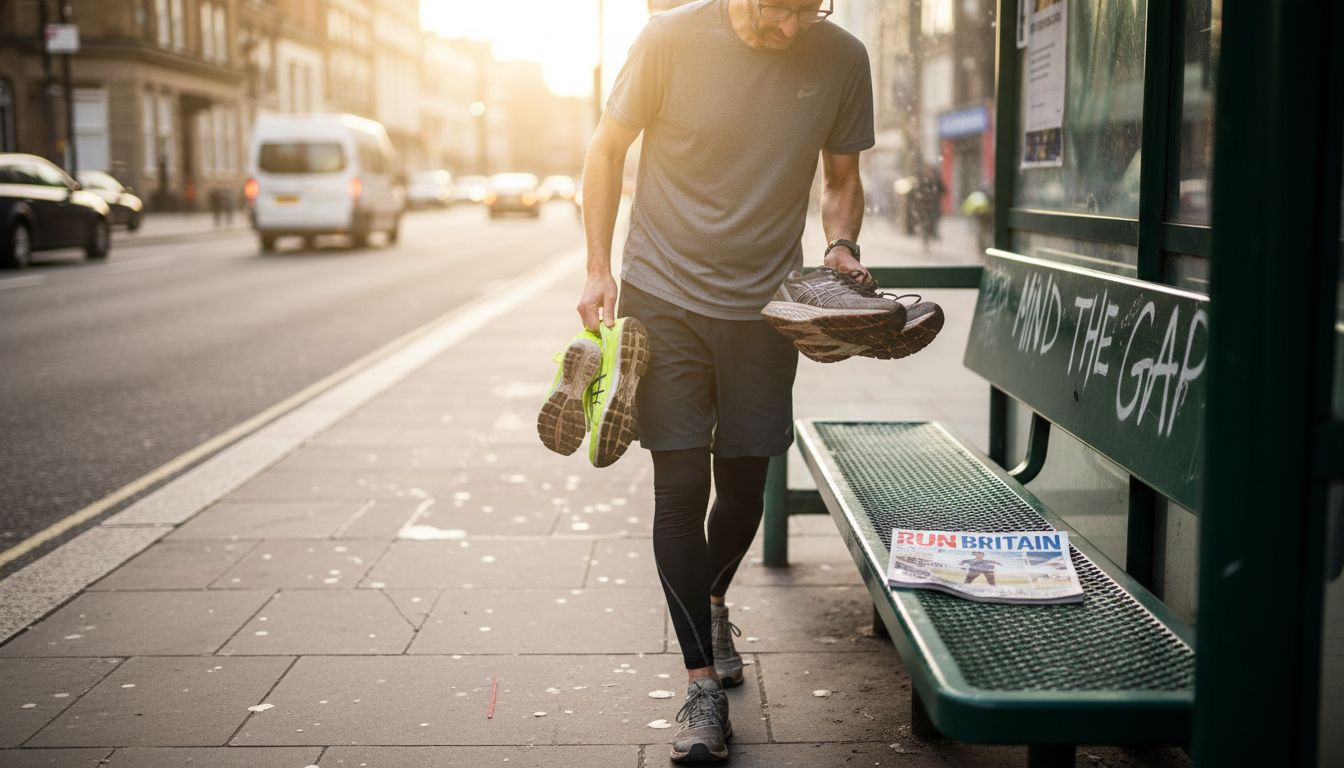
Vulnerable populations such as older adults, individuals with pre-existing foot conditions, and athletes require particularly careful consideration of shoe weight. Excessive footwear mass can exacerbate existing biomechanical challenges, potentially leading to increased fatigue, reduced mobility, and higher injury susceptibility. Understanding these nuanced interactions helps individuals make more informed footwear selections that support long-term foot health.
Pro tip: Consult a podiatrist to assess your specific foot biomechanics and select shoes with weight characteristics that complement your individual movement patterns.
Energy Use, Comfort, and Performance Outcomes
Energy return research demonstrates that shoe weight plays a pivotal role in determining overall athletic performance and physiological energy expenditure. The intricate relationship between footwear mass and human biomechanics creates a complex interplay that extends beyond simple weight considerations.
Footwear performance can be analysed through several critical dimensions that directly impact energy efficiency:
- Metabolic energy expenditure during movement
- Shock absorption capabilities
- Muscular fatigue reduction
- Biomechanical alignment preservation
- Proprioceptive feedback quality
Systematic comfort reviews indicate that lightweight shoes consistently demonstrate superior performance outcomes, particularly in endurance-based activities. Shoe weight fundamentally influences an individual’s energy efficiency, with even minor weight variations potentially creating significant differences in metabolic cost and overall athletic performance.
Athletic populations experience particularly nuanced interactions between shoe weight and performance. Runners, for instance, may encounter increased energy expenditure with heavier footwear, potentially reducing their overall efficiency and increasing muscular strain. The relationship between shoe mass and performance is non-linear, with optimal weight ranges varying depending on specific athletic disciplines and individual biomechanical characteristics.
Pro tip: Experiment with different shoe weights during training to identify the optimal balance between support and energy efficiency for your specific movement patterns.
Design Innovations for Lightweight Footwear
Advanced footwear design research reveals remarkable technological innovations transforming lightweight shoe engineering. Modern manufacturers are pioneering sophisticated approaches that dramatically reduce shoe weight while maintaining structural integrity and performance characteristics.
Cutting-edge design innovations in lightweight footwear encompass several critical technological developments:
- Advanced polymer technologies
- Nano-engineered material compositions
- 3D-printed structural elements
- Biomimetic design principles
- Computational design optimization
Ergonomic engineering strategies demonstrate how manufacturers strategically reduce shoe weight through intelligent material selection and architectural redesign. These approaches focus on creating shoes that provide maximum support with minimal mass, using innovative techniques like hollow structural elements and precision-engineered cushioning systems.
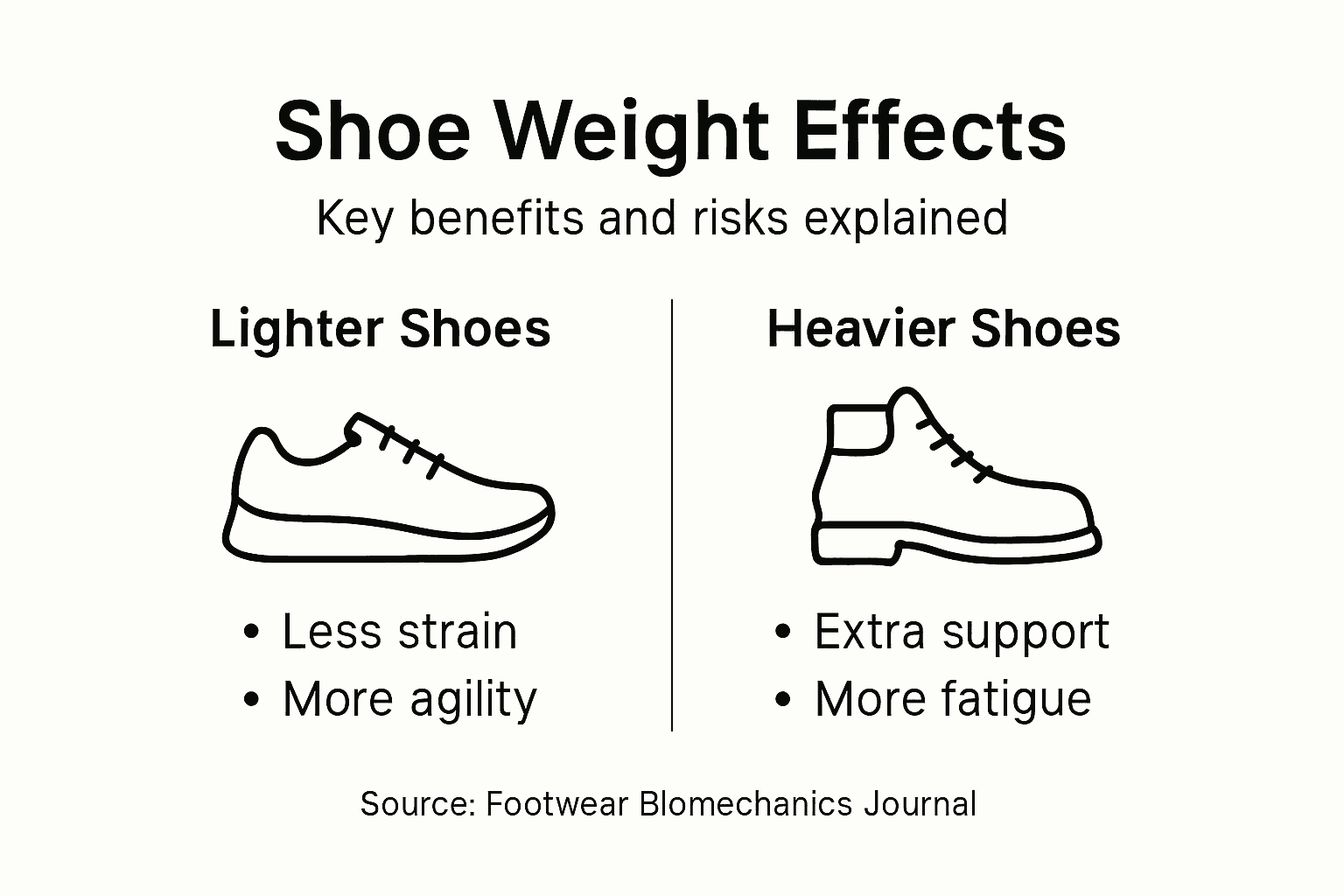
The evolution of lightweight footwear design represents a sophisticated intersection of materials science, biomechanical engineering, and computational modeling. Engineers now employ advanced simulation technologies to predict and optimize shoe performance, allowing them to create footwear that achieves unprecedented weight reduction without compromising critical functional parameters such as shock absorption, durability, and biomechanical support.
Pro tip: Look for shoes incorporating multi-density materials and computational design approaches to achieve optimal lightweight performance.
Risks and Comparisons to Heavier Shoes
Biomechanical research evidence reveals significant potential health risks associated with consistently wearing heavier footwear. The additional mass of shoes creates complex physiological challenges that extend beyond mere comfort considerations, potentially impacting long-term musculoskeletal health.
The comparative risks between lighter and heavier shoes manifest in several critical dimensions:
- Increased biomechanical asymmetries
- Higher joint stress during movement
- Elevated energy expenditure
- Reduced proprioceptive sensitivity
- Accelerated muscular fatigue
Comprehensive foot health studies demonstrate that shoe weight significantly influences musculoskeletal strain. Heavier shoes create pronounced biomechanical challenges, forcing muscles to work harder and potentially leading to compensatory movement patterns that increase injury risk.
Athletic and everyday contexts reveal nuanced risks associated with heavier footwear. Prolonged use can lead to cumulative stress on ankles, knees, and hips, with potential long-term implications for joint health. Professional athletes and individuals with pre-existing musculoskeletal conditions appear particularly vulnerable to these biomechanical challenges.
This table outlines how shoe weight influences comfort, performance, and health:
| Aspect | Lighter Shoes Benefit | Heavier Shoes Risk |
|---|---|---|
| Comfort | Reduced pressure on feet | Can cause fatigue or soreness |
| Energy Expenditure | Increased movement efficiency | Higher metabolic cost |
| Joint & Muscle Health | Lower strain, natural gait | Heightened stress, injury risk |
| Proprioceptive Feedback | Greater sensory awareness | Impaired sensation, delayed reaction |
Pro tip: Regularly assess your footwear’s weight and its impact on your body’s movement patterns to prevent potential long-term musculoskeletal complications.
Discover Footwear Designed to Perfectly Balance Shoe Weight and Foot Health
Understanding the intricate impact of shoe weight on your foot health and performance is critical. Whether you are an athlete seeking optimal energy efficiency or someone prioritising comfort and injury prevention, managing footwear weight wisely can transform your movement experience. At YDA UK, we recognise the challenges of finding shoes that offer the ideal blend of lightweight design without sacrificing stability or support.

Explore our collection of technologically advanced shoes that incorporate innovative materials and ergonomic engineering to enhance comfort and reduce metabolic strain. Every pair is created with your unique biomechanics in mind, helping you avoid the common pitfalls of heavy footwear such as fatigue and joint stress while maximising energy return. Don’t compromise on your foot health; visit YDA UK now to find your perfect match and step confidently towards a healthier you.
Frequently Asked Questions
How does shoe weight affect comfort?
Shoe weight plays a critical role in comfort, as it influences factors like cushioning, support, and foot mechanics. A slightly heavier shoe may offer better arch support and shock absorption, enhancing overall comfort during different activities.
Can heavier shoes increase the risk of injuries?
Yes, heavier shoes can lead to increased stress on joints and muscles, potentially causing compensatory movement patterns that elevate injury risk. Over time, the additional mass might contribute to fatigue and strain on the feet and legs, especially for athletes and individuals with pre-existing conditions.
What is the optimal weight for running shoes?
The optimal weight for running shoes typically falls within the range of 255-415 grams, depending on individual preferences and specific running styles. Lightweight running shoes tend to enhance energy efficiency and speed, but it’s important to find the balance between weight, support, and comfort for your specific needs.
How can I choose the right shoe weight for my activity?
When selecting shoe weight, consider your intended activity and personal biomechanics. For instance, choose lighter shoes for running and racing, while opting for slightly heavier options for hiking or basketball, where stability and support are paramount.
Recommended
- Why Shoes Wear Out: Complete Guide Explained – YDA UK
- 7 Key Benefits of Lightweight Shoes for Foot Health – YDA UK
- Why Replace Shoes Regularly for Foot Health – YDA UK
- 7 Key Advantages of Lightweight Footwear for Healthy Living – YDA UK
- How Dogs Help Seniors: Health, Happiness, and Independence 2025 – iPupPee
- Living With a Health Condition Now - TechMoths