
How to Care for Comfort Shoes for Long-Lasting Wear
Most people are surprised to learn that nearly three out of four adults experience foot pain at some point in life. For those with sensitive feet or ongoing foot conditions, even a small mistake when caring for comfort shoes can make a big difference in daily well-being. British brands and designers are leading a new wave of advanced, supportive footwear, making it crucial to master basic shoe care that protects technology and style for every step.
Table of Contents
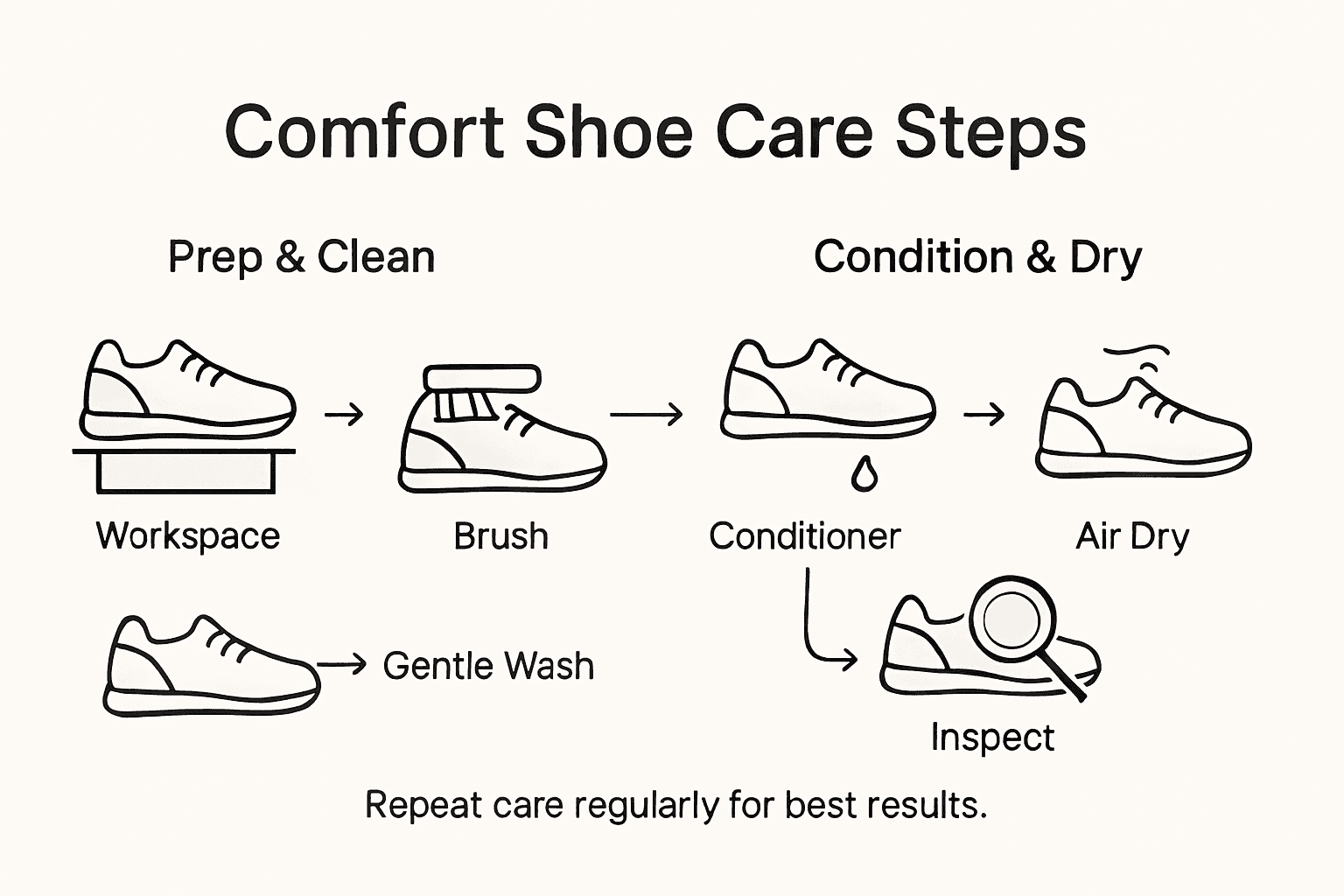
- Step 1: Prepare Your Comfort Shoes For Care
- Step 2: Clean Away Dirt And Debris Safely
- Step 3: Treat Materials With Suitable Conditioners
- Step 4: Dry Shoes Correctly To Prevent Damage
- Step 5: Inspect Shoes For Wear And Restore Support
Quick Summary
| Key Point | Explanation |
|---|---|
| 1. Properly prepare shoes for cleaning | Gather tools and create a clean workspace; remove loose dirt before detailed cleaning. |
| 2. Use appropriate cleaning methods | Different materials require specific cleaning solutions; avoid damaging the shoe fabric. |
| 3. Condition materials after cleaning | Apply suitable conditioners for leather and suede to maintain flexibility and prevent cracking. |
| 4. Air dry to prevent damage | Allow shoes to dry at room temperature; avoid direct heat to maintain shape and integrity. |
| 5. Regularly inspect for wear | Check for signs of wear and address issues early to extend the lifespan of your shoes. |
Step 1: Prepare your comfort shoes for care
Before diving into shoe maintenance, gathering the right tools and creating a clean workspace is essential for effective care. Removing loose dirt should be your first priority when preparing comfort shoes for a thorough cleaning session.
Start by clearing a well-lit area with a clean, flat surface where you can spread out your shoes comfortably. Remove the shoe laces completely to access every part of the footwear. Use a soft bristled brush to gently sweep away surface dust and debris. This initial step prevents dirt from becoming embedded deeper into the shoe material during subsequent cleaning processes.
Having a dedicated shoe care kit with specialised cleaning tools will make this preparation much smoother. Gather soft microfibre cloths, a gentle brush, mild cleaning solution appropriate for your shoe material, and clean white towels for drying. Organising these items beforehand ensures a systematic and efficient shoe maintenance routine.
Advanced tip: Prepare a clean towel and place it underneath your shoes during the cleaning process to catch any falling dirt or cleaning solution, protecting your workspace from potential stains.
Step 2: Clean away dirt and debris safely
Removing dirt and debris from your comfort shoes requires careful attention to maintain their quality and appearance. Creating a specialised cleaning mixture is key to effectively tackling stubborn stains without damaging your footwear.
Different shoe materials demand unique cleaning approaches. For canvas shoes, mix a gentle solution of mild detergent and baking soda to create an effective cleaning paste. Use a soft toothbrush to apply the mixture delicately, working in small circular motions to lift dirt without abrading the fabric. Rinse thoroughly with cool water to remove all cleaning residue, ensuring no soap remains trapped in the shoe fibres.
For leather or suede comfort shoes, select cleaning products specifically designed for those materials. Avoid saturating the shoes with water use specialised leather cleaners or suede brushes that gently lift dirt without causing damage. Always test any cleaning solution on a small inconspicuous area first to ensure it does not discolour or harm the shoe material.
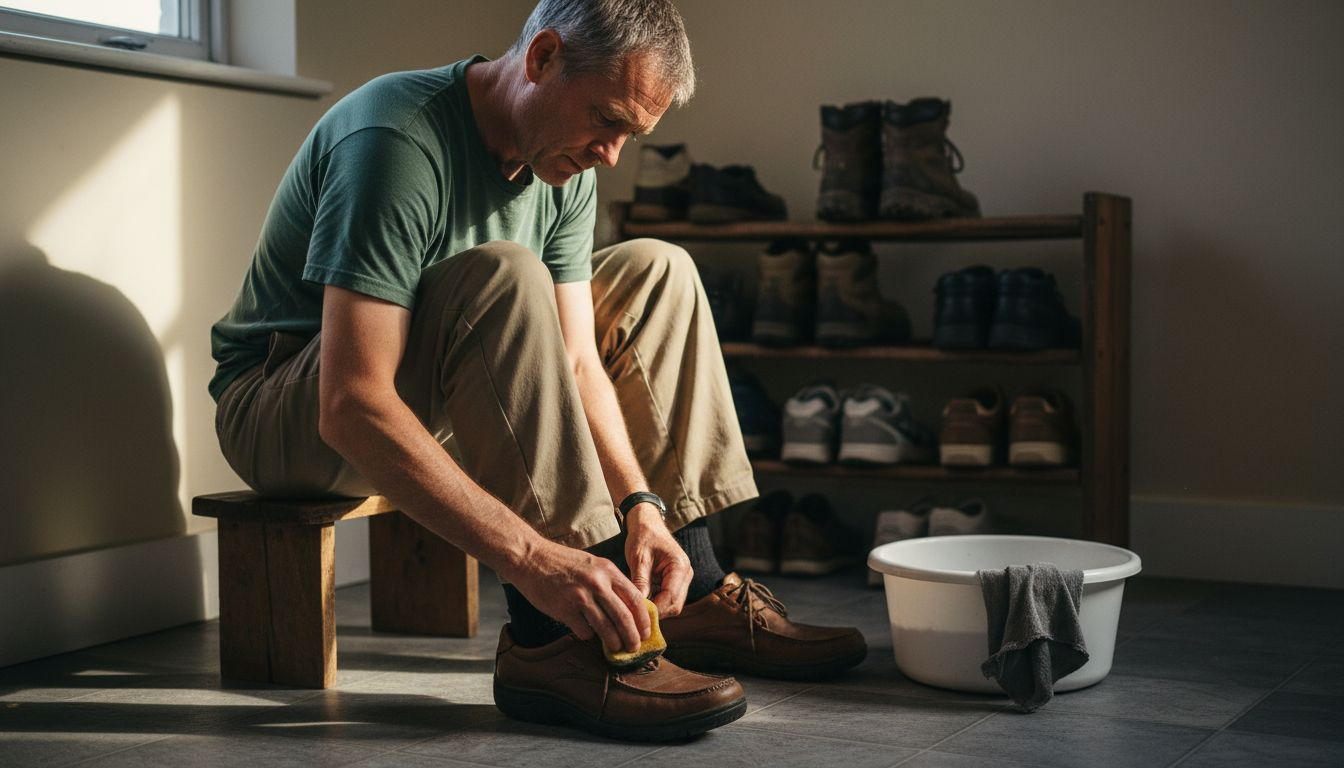
Advanced tip: When cleaning shoes, work in a well-ventilated area and allow shoes to air dry naturally at room temperature. Avoid direct heat sources like radiators or sunlight, which can cause material warping or colour fading.
Step 3: Treat materials with suitable conditioners
Conditioning your comfort shoes is a critical step in maintaining their appearance, flexibility, and overall longevity. While no specific research data was available, experts recommend using material specific treatments to protect and preserve different shoe fabrics.
For leather comfort shoes, select a high quality leather conditioner that will replenish natural oils and prevent cracking. Apply the conditioner sparingly using a soft clean cloth, working in gentle circular motions. Allow the conditioner to absorb completely before buffing with a separate clean cloth to create a subtle protective shine. Suede and nubuck shoes require specialised suede protector sprays that create an invisible barrier against moisture and stains without altering the unique texture of the material.
Canvas and synthetic materials benefit from fabric protector sprays that create a water resistant layer. These treatments help prevent dirt accumulation and make future cleaning easier. Always test any conditioning product on a small inconspicuous area first to ensure it does not cause discolouration or unexpected texture changes.
Professional tip: When applying any shoe conditioner, work in a well ventilated area and allow shoes to dry naturally at room temperature. Avoid direct heat sources that could potentially damage the material or alter its protective coating.
Here’s a summary comparing cleaning and conditioning methods for different comfort shoe materials:
| Material Type | Appropriate Cleaning Method | Suitable Conditioning Product | Precaution |
|---|---|---|---|
| Leather | Mild leather cleaner, minimal water | High quality leather conditioner | Avoid excess moisture |
| Suede/Nubuck | Suede brush, minimal water | Suede protector spray | Test on small area first |
| Canvas | Mild detergent & baking soda paste | Fabric protector spray | Rinse thoroughly, avoid harsh scrubbing |
| Synthetic | Mild detergent, gentle scrubbing | Fabric protector or mild spray | Avoid abrasive tools |
Step 4: Dry shoes correctly to prevent damage
Properly drying your comfort shoes is a critical step in maintaining their structural integrity and preventing potential long term damage. Air-drying shoes at room temperature helps preserve the shoe materials and ensures they retain their original shape and performance.
Begin by removing the insoles from your shoes to allow for complete and thorough drying. Separate drying of shoes and insoles prevents moisture retention and potential mould growth. Position your shoes in a well ventilated area away from direct sunlight or heat sources like radiators. Avoid using artificial heat such as hairdryers or tumble dryers, which can warp leather, weaken adhesives, and compromise the shoe’s structural integrity.
If your shoes are particularly damp, stuff them loosely with clean white paper towels or newspaper to absorb excess moisture. Replace the paper every few hours to ensure efficient moisture extraction. For leather or suede shoes, use specialised shoe trees that help maintain the shoe’s shape while allowing air circulation.
Professional tip: When drying shoes, always position them with the soles facing upwards to allow maximum air circulation and prevent water pooling in the toe area.
Step 5: Inspect shoes for wear and restore support
Regularly inspecting your comfort shoes is crucial for maintaining their performance and extending their overall lifespan. Understanding wear patterns helps you identify potential issues before they compromise your footwear’s structural integrity and comfort.
Check carefully for signs of excessive wear, paying special attention to high stress areas like the sole, heel, and toe box. Look for uneven sole wear which might indicate improper walking patterns or potential foot alignment issues. Examine the inner lining for compression or thinning that could reduce cushioning and support. For leather shoes, watch for cracks or areas where the material appears stretched or distorted.
When minor wear is detected, consider professional resoling or targeted repairs to extend your shoes useful life. For significant structural damage, replacement becomes the most sensible option. Pay particular attention to the shoe’s arch support and cushioning integrity, as these elements are critical for foot health and overall comfort.
Professional tip: Photograph your shoes periodically from multiple angles to track wear progression and maintain a visual record of their condition over time.
This table highlights common shoe wear indicators, their implications, and recommended action:
| Wear Indicator | What It May Imply | Suggested Solution | Potential Risk if Ignored |
|---|---|---|---|
| Uneven sole wear | Gait or alignment issue | Check foot support, seek advice | Increased foot discomfort |
| Compressed inner lining | Cushioning loss | Add new insoles or replace | Reduced shock absorption |
| Stretched/cracked leather | Material ageing or neglect | Apply leather conditioner | Premature material failure |
| Flattened arch support | Loss of stability | Replace or professionally repair | Increased injury risk |
Care for Your Comfort Shoes with Expert Solutions from YDA UK
Taking great care of your comfort shoes is essential to keep them looking fresh and feeling supportive day after day. Whether you struggle with cleaning different shoe materials safely or worry about maintaining proper cushioning and support, understanding how to care for your footwear can prevent discomfort and extend its lifespan. Our detailed guide highlighted crucial steps such as gentle cleaning methods, suitable conditioning treatments, and correctly drying shoes — all vital to avoid damage and preserve foot health.

Explore our range of high-performance footwear at Shoes – YDA UK designed with advanced YDA Technology that prioritises comfort, durability, and style. If you seek solutions that combine innovative support with everyday wearability, browse the latest collections at Womens – YDA UK. Act now to invest in shoes built to withstand the demands of your busy lifestyle while caring for your feet in the long term. Visit https://ydauk.com today and step into comfort that lasts.
Frequently Asked Questions
How can I prepare my comfort shoes for cleaning?
Start by removing loose dirt from your shoes using a soft bristled brush. Clear a clean, flat workspace and remove the shoelaces to access all areas of your footwear effectively.
What is the best way to clean different materials of comfort shoes?
Use appropriate cleaning methods for each material. For canvas, mix mild detergent and baking soda, while leather requires specialised cleaners; always test on a small area first.
How should I condition my leather comfort shoes?
Apply a high-quality leather conditioner using a soft cloth in gentle circular motions, allowing it to absorb before buffing for shine. Condition your shoes every few months to maintain their flexibility and prevent cracks.
What methods ensure my comfort shoes dry properly?
Remove insoles and allow your shoes to air dry at room temperature, avoiding direct heat sources. You can stuff them with paper towels to absorb excess moisture, changing the towels every few hours for best results.
How do I inspect my comfort shoes for wear?
Regularly check for signs of excessive wear, focusing on the sole, heel, and toe box. Identify any uneven wear or compressed materials to determine if a repair or replacement is needed before further damage occurs.
What should I do if I find wear on my comfort shoes?
Address minor wear by considering professional resoling or targeted repairs to extend their lifespan. For significant damage, replacement is advisable to ensure continued foot support and comfort.