
Dual Density Sole Technology: Comfort Meets Support
Finding footwear that actually delivers lasting relief and stylish support can be daunting. For active people dealing with sore feet or persistent foot health issues, the quest for comfort often leads to disappointment. Fortunately, dual density sole technology is transforming how shoes cushion and stabilise. This introduction guides you through how advanced materials and strategic design tackle pressure and enhance personal comfort, so you can discover footwear that adapts to your individual needs and movement.
Table of Contents
- What Is A Dual Density Sole?
- How Dual Density Soles Are Constructed
- Types Of Dual Density Sole Materials
- Key Benefits For Foot Health And Comfort
- Comparing Dual Density Soles To Alternatives
- Common Misconceptions And User Tips
Key Takeaways
| Point | Details |
|---|---|
| Innovative Design | Dual density soles utilise materials with varying hardness for enhanced comfort and support, tailored to individual foot mechanics. |
| Biomechanical Benefits | These soles improve energy absorption and force distribution, reducing foot strain and chronic pain risks. |
| Precision Construction | Advanced manufacturing techniques ensure optimal material layering and precise mapping of pressure points for effective performance. |
| Misconceptions Addressed | Understanding that softer soles are not always better is crucial; targeted firmness and structure are vital for proper foot support. |
What Is a Dual Density Sole?
A dual density sole represents an innovative footwear technology designed to optimise comfort and support through strategic material engineering. This sophisticated approach involves combining materials with different hardness levels to create a more responsive and adaptive shoe foundation.
The core principle behind dual density soles is creating distinct zones with varying material properties. By strategically integrating softer and firmer materials, manufacturers can achieve precise biomechanical benefits. Researchers have demonstrated that these soles typically feature:
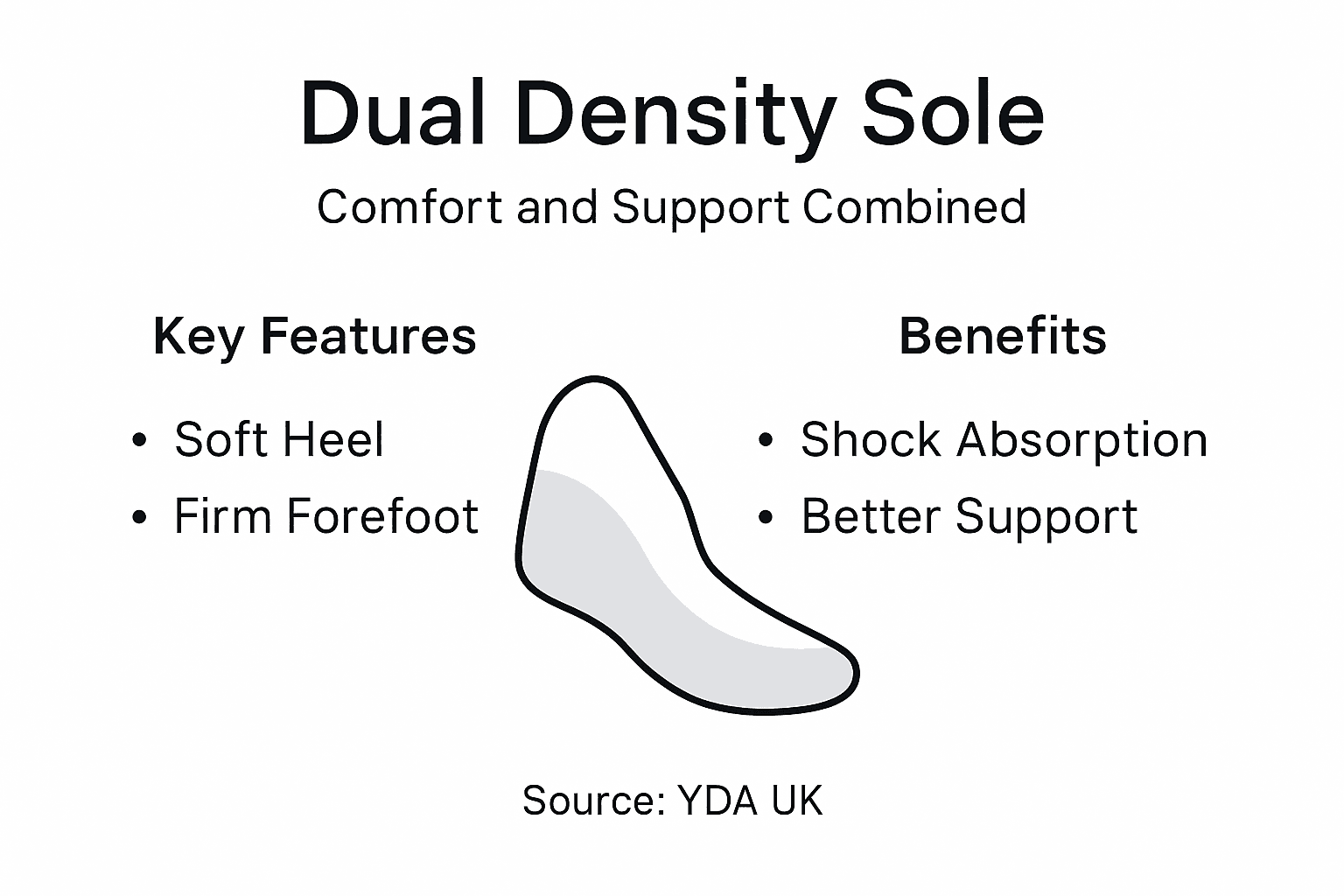
- Softer material in high-pressure areas like heel and forefoot
- Firmer material in arch and midfoot regions for enhanced stability
- Customised cushioning that adapts to individual foot mechanics
The engineering behind dual density technology is remarkably precise. Different material densities work synergistically to distribute forces, reduce peak plantar pressures, and minimise potential foot strain. Advanced orthotic research indicates that these sophisticated soles can significantly improve energy absorption and force distribution.
Pro tip: When selecting footwear with dual density soles, pay attention to how different zones feel during movement to ensure optimal personal comfort and support.
How Dual Density Soles Are Constructed
Dual density soles represent a sophisticated engineering marvel that requires precision manufacturing techniques to create their unique multilayered structure. The construction process involves carefully selecting and integrating materials with distinct mechanical properties to achieve optimal foot support and comfort.
Advanced manufacturing technologies enable shoe designers to map and construct these specialised soles through several critical stages:
- Digital modeling of foot pressure profiles
- Computer-aided design (CAD) for precise material mapping
- Topological optimization of material distribution
- Strategic layering of soft and firm materials
The physical construction typically involves molding techniques that integrate different material densities. Shoe sole patents reveal that manufacturers often employ specific approaches such as:
- Identifying high-impact zones requiring softer materials
- Determining stability regions needing firmer components
- Precisely controlling material integration during molding
- Ensuring seamless transition between different density zones
Effective dual density sole construction requires understanding biomechanical stress points and matching material properties accordingly.
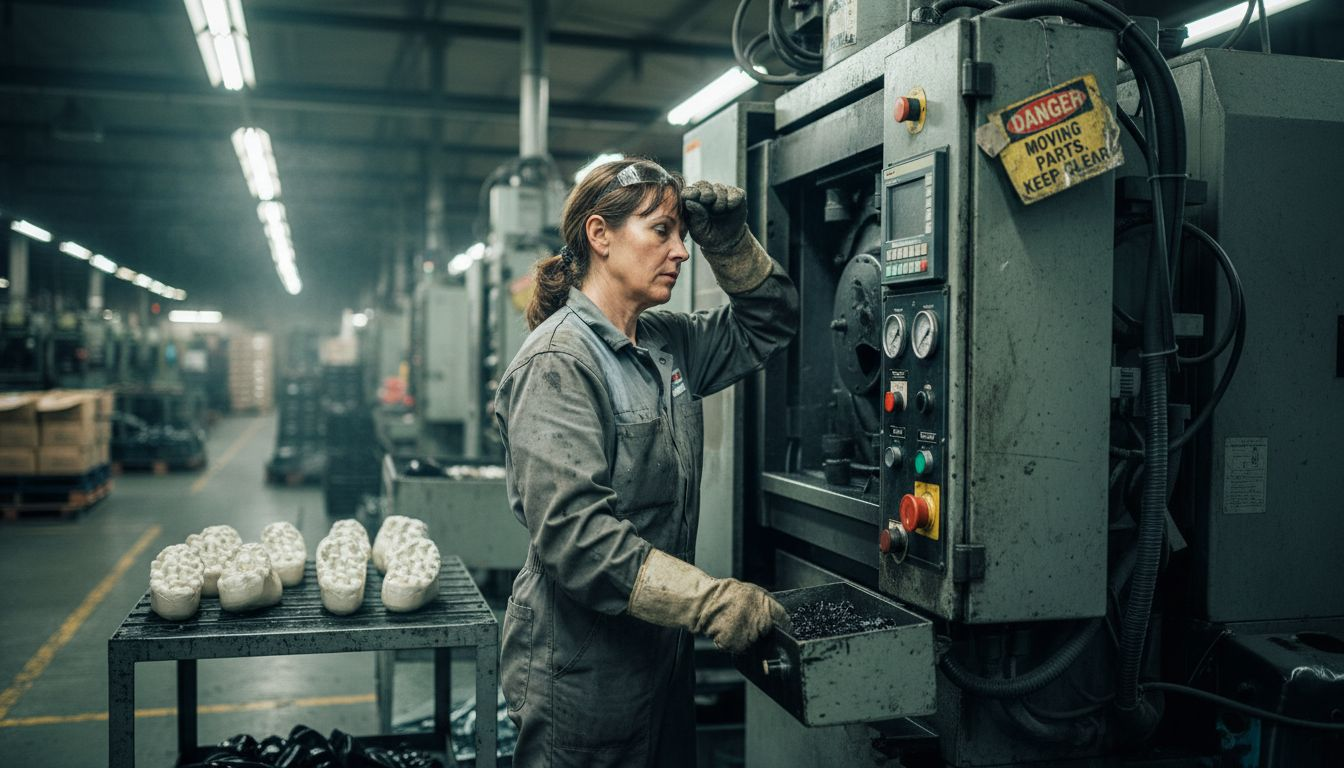
Manufacturers use specialised techniques like injection molding, compression molding, and advanced thermal bonding to create these sophisticated soles. The goal is to develop a shoe foundation that provides targeted support while maintaining overall comfort and adaptability.
Pro tip: When examining dual density soles, look for subtle transitions between material zones and assess how different regions respond to pressure and movement.
Types of Dual Density Sole Materials
Dual density sole materials represent a sophisticated engineering solution that combines multiple material properties to create optimised footwear foundations. These innovative compositions are carefully selected to balance cushioning, support, and durability across different foot zones.
Advanced material research reveals several key material categories used in modern dual density sole construction:
- Thermoplastic polyurethanes (TPU)
- 3D-printed foam materials
- High-performance synthetic polymers
- Specialised compression-resistant compounds
Traditional dual density soles typically incorporate materials with precise mechanical characteristics. Orthotic material studies have identified several common material combinations:
- Medium-density plastazote
- Soft nickelplast
- Specialised Spenco compounds
- Poron+ performance materials
- Advanced P-cell technologies
Material selection directly impacts the biomechanical performance and comfort of footwear, making each component critically important.
The primary goal in material selection is achieving a nuanced balance between mechanical strength, energy absorption, flexibility, and long-term durability. Manufacturers carefully evaluate material density, infill patterns, and molecular structures to create soles that adapt to individual biomechanical needs.
Pro tip: When assessing dual density sole materials, examine the transition zones between different densities and feel how they respond to pressure and movement.
The following table highlights common dual density sole materials with their typical features and uses:
| Material Type | Main Feature | Common Application |
|---|---|---|
| Thermoplastic polyurethane | Durable, flexible | Sports and safety footwear |
| 3D-printed foam | Customisable comfort | Bespoke orthotic insoles |
| Medium-density plastazote | Lightweight cushioning | Diabetic footwear |
| Specialised Spenco compound | Shock absorption | Everyday trainers and sandals |
| Advanced P-cell technology | High energy return | Performance running shoes |
Key Benefits for Foot Health and Comfort
Dual density sole technology represents a sophisticated approach to addressing complex foot biomechanical challenges, offering multiple critical advantages for overall foot health and comfort. These innovative soles go far beyond traditional footwear design by creating targeted support zones that adapt to individual movement patterns.
Biomechanical research demonstrates several fundamental benefits of dual density soles:
- Even pressure distribution across foot surfaces
- Reduced risk of chronic foot pain and injury
- Enhanced arch support and stability
- Dynamic cushioning during different activities
- Personalised comfort adaptation
The technological sophistication of these soles provides comprehensive protection and support. Advanced orthotic studies highlight critical benefits for specific health conditions:
- Minimising tissue damage risk
- Preventing plantar ulcers
- Improving energy dissipation
- Enhancing long-term foot protection
Strategically designed dual density soles can transform foot comfort by addressing individual biomechanical needs.
For individuals with specific foot health concerns, these advanced soles offer targeted interventions that traditional single-density footwear cannot provide. The ability to create specialised support zones means reduced fatigue, improved walking efficiency, and enhanced overall foot wellness.
Pro tip: Always assess how different zones of the sole feel and respond during movement to understand its adaptive support capabilities.
Comparing Dual Density Soles to Alternatives
Footwear sole technology represents a complex engineering challenge, with dual density soles emerging as a sophisticated solution that significantly outperforms traditional single-density alternatives. The fundamental difference lies in their ability to provide targeted support and adaptive cushioning across different foot zones.
Engineering research reveals key comparative advantages of dual density soles:
- Superior impact damping capabilities
- Enhanced energy restitution performance
- Optimised load distribution
- Customised support for specific activities
- Reduced biomechanical stress on feet
Comparative studies demonstrate multiple performance distinctions between sole technologies. Material science investigations highlight critical differences in energy absorption and pressure distribution:
- Single density soles offer uniform but less adaptive support
- Dual density designs provide zone-specific cushioning
- Mechanical properties vary significantly between alternative designs
- Customisation potential differs substantially
Alternative sole technologies often compromise between comfort and stability, whereas dual density soles aim to harmonise these competing requirements.
The nuanced approach of dual density soles allows for precise engineering of foot support, addressing limitations found in traditional single-material designs. By strategically varying material properties, manufacturers can create soles that respond dynamically to individual movement patterns and biomechanical needs.
Pro tip: When comparing different sole technologies, assess how well they adapt to your specific movement patterns and foot structure.
Here is a summary comparing dual density soles and single density soles:
| Attribute | Dual Density Sole | Single Density Sole |
|---|---|---|
| Support distribution | Zoned, adaptive support | Uniform, less adaptive |
| Energy absorption | Enhanced in key areas | Even, but less efficient |
| Customisation potential | High; foot-specific zones mapped | Minimal; generic structure |
| Biomechanical impact | Reduced foot strain, better fit | Higher strain, standard fit |
Common Misconceptions and User Tips
Understanding dual density sole technology requires dispelling several prevalent misunderstandings that can mislead consumers about their functionality and performance. Many individuals approach these advanced footwear solutions with preconceived notions that may not align with the sophisticated engineering behind modern sole designs.
Scientific research challenges common misconceptions about sole comfort and selection:
- Softer soles are not universally better
- Comfort is highly individual and context-dependent
- Arch support varies significantly between designs
- Material hardness plays a crucial role in foot mechanics
- Extended wear testing is essential for accurate assessment
Advanced shoe technology studies reveal key insights into user understanding and expectations:
- Recognise that uniform softness is not the goal
- Understand targeted firmness supports foot biomechanics
- Appreciate the complexity of material design
- Consider individual foot pressure mapping
- Maintain footwear to preserve technological benefits
Misconceptions about sole technology can lead to poor footwear choices that compromise comfort and support.
Users often overlook the nuanced approach required when selecting footwear with advanced sole technologies. The goal is not simply finding the softest or most cushioned option, but identifying a design that provides targeted support matching individual biomechanical needs.
Pro tip: Invest time in understanding your specific foot mechanics and try multiple sole technologies before making a final selection.
Discover Ultimate Comfort With Dual Density Sole Technology
Are you searching for footwear that truly supports your foot health while delivering unmatched comfort and style? The advanced dual density sole technology featured in our collection addresses common challenges like uneven pressure distribution and foot fatigue by offering targeted cushioning and stability where it matters most. Explore how this thoughtful design can transform your daily walking experience with enhanced energy absorption and personalised support.
Step into a world of specialised footwear at YDA UK where innovation meets practicality. Browse our Womens collection or check out great offers on our Clearance page to find your perfect pair equipped with cutting-edge sole technology. Don’t wait to experience the difference that scientifically engineered soles can make for your feet – visit us today and take a confident step toward all-day comfort.
Frequently Asked Questions
What is a dual density sole?
A dual density sole is a footwear technology that combines materials with varying hardness levels to optimise comfort and support by creating distinct zones for pressure distribution, offering enhanced stability and cushioning tailored to individual foot mechanics.
How are dual density soles constructed?
Dual density soles are constructed using advanced manufacturing techniques, including digital modelling and computer-aided design. This process allows for the precise layering of soft and firm materials to target specific biomechanical stress points, ensuring comfort and support during movement.
What are the benefits of dual density soles for foot health?
Dual density soles provide multiple benefits, including even pressure distribution, enhanced arch support, reduced risk of chronic foot pain, and improved energy absorption during activities, thus adapting to individual foot mechanics for optimal comfort.
How do dual density soles compare to single density soles?
Dual density soles offer superior zoned support and adaptive cushioning compared to single density soles, which provide uniform but less responsive support. The targeted design of dual density soles helps reduce biomechanical stress and improve overall foot health.
Recommended
- Outsole Technology Explained: Features, Types, Benefits – YDA UK
- Footwear Technology Explained: Comfort and Performance – YDA UK
- Role of Footbed Design – Why Comfort Starts Here – YDA UK
- Footbed Design: Transforming Comfort And Foot Health – YDA UK
- Wärmeisolation bei Sportmatten – Komfort und Sicherheit im Training – Just Mats