
Adaptive Fit Shoes: Revolutionising Foot Health
Struggling to find shoes that combine comfort, style, and support when facing foot conditions or diabetes is a challenge many health-focused individuals know well. Foot health affects mobility, independence, and daily wellbeing, making the right footwear essential for maintaining activity and confidence. Discover how adaptive fit shoes offer intelligent solutions for diverse needs by blending customisable design and smart technologies that elevate both comfort and foot health.
Table of Contents
- Defining Adaptive Fit Shoes and Their Purpose
- Key Features and Technology Innovations Explained
- Types and Variations for Different Foot Needs
- Health Benefits for Diabetes and Foot Conditions
- Comparing Adaptive Fit Shoes to Alternatives
- Choosing the Right Pair: Costs and Common Mistakes
Key Takeaways
| Point | Details |
|---|---|
| Adaptive Fit Shoes Support Diverse Needs | They are designed to accommodate individuals with various mobility challenges, enhancing comfort and independence. |
| Technological Innovations Enhance Functionality | Smart features, such as embedded sensors and Bluetooth connectivity, allow for real-time health tracking and improved mobility support. |
| Different Types Cater to Specific Conditions | Varieties such as Orthopaedic and Diabetic Shoes are tailored to address specific foot health requirements. |
| Careful Selection is Crucial | Proper fit and functionality should be prioritised over aesthetics, with professional guidance recommended when choosing adaptive footwear. |
Defining Adaptive Fit Shoes and Their Purpose
Adaptive fit shoes represent a groundbreaking approach to footwear designed to support individuals with diverse mobility challenges. These specialised shoes go beyond traditional footwear by offering customised solutions that prioritise comfort, accessibility, and foot health. Adaptive shoes accommodate individuals with medical conditions through innovative design features that enhance mobility and independence.
The core purpose of adaptive fit shoes centres on addressing specific foot-related challenges across various populations. These shoes are engineered with sophisticated features tailored to meet unique physiological needs:
- Enhanced foot clearance for neurological conditions
- Adjustable closure systems for limited hand mobility
- Extra-wide toe boxes to accommodate swelling
- Lightweight materials promoting stability
- Reduced fall risk design elements
- Pressure redistribution capabilities
Understanding adaptive footwear requires recognising the nuanced requirements of individuals with differing physical capabilities. Specialized shoe designs support mobility challenges by integrating technological innovations that transform traditional footwear concepts. These shoes are not merely accessories but critical mobility tools that restore confidence and independence.
Pro tip: Always consult healthcare professionals when selecting adaptive footwear to ensure the most appropriate fit for your specific medical needs.
Key Features and Technology Innovations Explained
Adaptive fit shoe technology represents a remarkable convergence of biomechanical engineering, materials science, and digital health monitoring. Smart shoe technologies integrate advanced sensors to transform footwear from simple protective coverings into sophisticated health monitoring devices. These innovations capture critical physiological data, enabling unprecedented insights into an individual’s mobility and overall wellness.
The technological features of modern adaptive shoes are sophisticated and multifaceted:
- Embedded pressure sensors for gait analysis
- Bluetooth connectivity for real-time health tracking
- Accelerometers measuring movement precision
- Dynamic closure systems adapting to foot morphology
- Temperature-responsive materials for comfort
- Integrated fall detection mechanisms
Biomechanical Innovations are particularly groundbreaking in adaptive footwear design. Novel adaptive closure systems maintain performance during complex physical activities, utilising semi-flexible mini-pistons that intelligently limit motion ranges. These technological breakthroughs represent a quantum leap in personalised mobility support, transforming shoes from passive accessories into active health companions.
By integrating cutting-edge technologies, adaptive fit shoes are redefining our understanding of footwear functionality. They transcend traditional design limitations, offering personalised support that responds dynamically to individual physiological needs and movement patterns.
Pro tip: Research the specific technological features of adaptive shoes to understand how they might specifically address your unique mobility requirements.
Types and Variations for Different Foot Needs
Adaptive footwear represents a sophisticated spectrum of specialised shoe designs catering to diverse physiological requirements. Adaptive shoe types address specific health conditions with remarkable precision, offering tailored solutions for individuals with unique mobility challenges. These variations go far beyond traditional footwear, transforming shoes into personalised mobility support systems.
The primary categories of adaptive footwear encompass several critical variations:
- Orthopedic Shoes: Designed for structural foot support
- Diabetic Shoes: Featuring extra depth and pressure redistribution
- Arthritis-Friendly Shoes: Incorporating flexible materials and easy closure systems
- Therapeutic Shoes: Providing targeted pain management and mobility enhancement
- Custom-Fitted Shoes: Precisely tailored to individual foot morphology
- Disability-Specific Shoes: Accommodating specific mobility limitations
Innovative Design Features play a crucial role in modern adaptive footwear. Shoe models with adaptive closures support diverse needs through intelligent design elements like wide toe boxes, flexible heels, and alternative closure mechanisms such as velcro straps and specialised zippers. These innovations transform wearing experience for individuals with varying physical capabilities, prioritising both functionality and comfort.
The evolution of adaptive footwear demonstrates a profound commitment to inclusive design, recognising that foot health is not a one-size-fits-all proposition. By developing shoes that respond to specific physiological requirements, manufacturers are creating pathways to improved mobility and independence for individuals with diverse physical challenges.
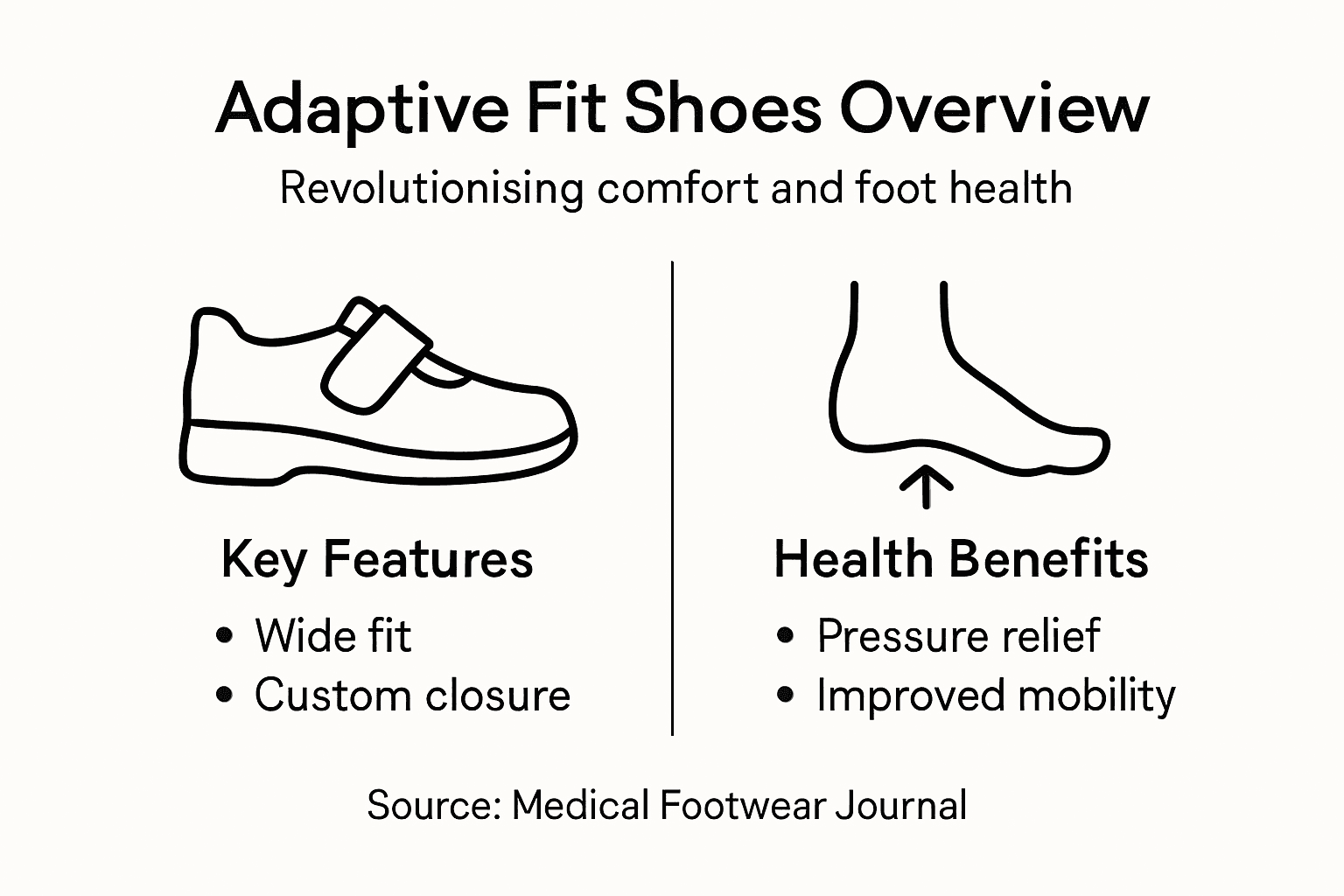
Here is a summary of adaptive footwear categories and their ideal users:
| Footwear Type | Best For | Distinctive Feature |
|---|---|---|
| Orthopaedic Shoes | Structural foot abnormalities | Maximum support structure |
| Diabetic Shoes | Diabetes management | Pressure reduction design |
| Arthritis-Friendly | Arthritic conditions | Flexible, easy closures |
| Therapeutic Shoes | Chronic pain or injury recovery | Targeted pain relief |
| Custom-Fitted Shoes | Unique foot morphology | Precision tailoring |
| Disability-Specific | Specific mobility challenges | Requirement-driven design |
Pro tip: Consult healthcare professionals to identify the most appropriate adaptive shoe type for your specific foot condition and mobility requirements.
Health Benefits for Diabetes and Foot Conditions
Diabetic patients face significant challenges in maintaining foot health, with adaptive footwear emerging as a critical intervention strategy. Adaptive shoes reduce pressure points by incorporating specialised design features that protect vulnerable feet from potential complications. These innovative shoes serve as more than mere protective coverings, functioning as essential medical support systems for individuals managing diabetes.
Key health benefits of adaptive footwear for diabetic patients include:
- Enhanced circulation promotion
- Reduced risk of foot ulcers
- Pressure redistribution capabilities
- Improved mobility and independence
- Protection against neuropathy-related injuries
- Accommodation of foot deformities and swelling
Therapeutic Design Features play a crucial role in managing diabetic foot health. Specialised footwear accommodates diabetic foot complications through intelligent design elements such as extra depth, flexible materials, and alternative closure mechanisms. These innovations provide critical protection by minimising friction, redistributing pressure, and creating a supportive environment that prevents potential injuries.
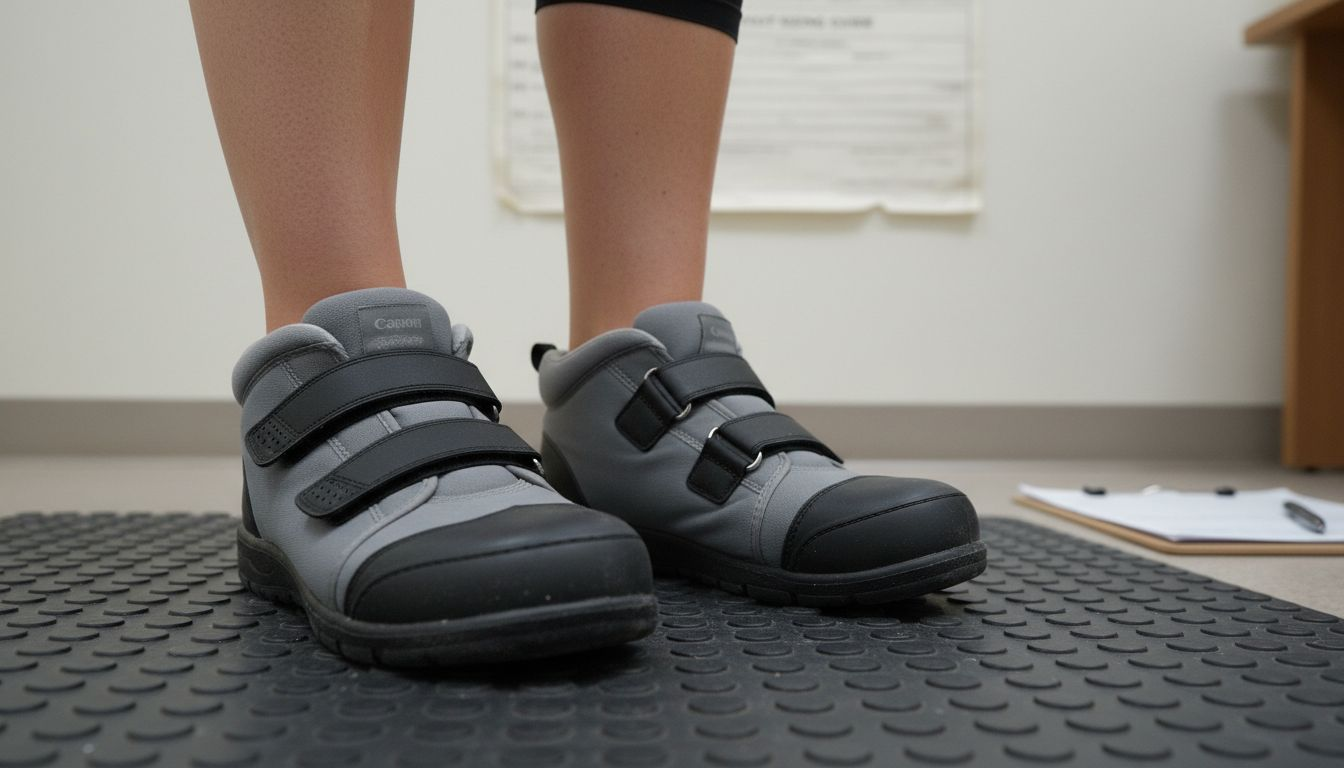
The significance of adaptive footwear extends beyond immediate comfort, representing a proactive approach to managing chronic foot conditions. By addressing the unique physiological challenges faced by diabetic patients, these shoes contribute to long-term foot health, reducing the risk of serious complications and supporting overall quality of life.
Pro tip: Schedule regular professional foot assessments to ensure your adaptive footwear continues to meet your changing health requirements.
Comparing Adaptive Fit Shoes to Alternatives
Navigating the landscape of footwear options requires understanding the distinctive advantages of adaptive shoes compared to traditional alternatives. Adaptive shoes offer purposeful design elements that fundamentally transform the wearing experience for individuals with mobility challenges or specific foot health requirements.
Key comparative differences include:
-
Accessibility Features
- Adaptive Shoes: Wide openings, easy closure systems
- Traditional Shoes: Standard narrow designs, complex lacing
-
Mobility Support
- Adaptive Shoes: Enhanced stability, removable insoles
- Traditional Shoes: Limited customisation options
-
Safety Considerations
- Adaptive Shoes: Non-slip soles, pressure redistribution
- Traditional Shoes: Standard grip, uniform sole construction
-
Comfort Levels
- Adaptive Shoes: Personalised fit, accommodating foot variations
- Traditional Shoes: Generic sizing, minimal accommodation
Functional Superiority distinguishes adaptive footwear from conventional alternatives. These shoes are engineered with intelligent design principles that prioritise user independence, comfort, and specific physiological needs. Unlike standard footwear, adaptive shoes represent a holistic approach to mobility and foot health, transcending mere aesthetic considerations.
The evolution of adaptive shoes demonstrates a profound understanding that footwear is not a one-size-fits-all solution. By addressing individual mobility challenges through innovative design, these shoes provide a transformative experience that traditional footwear simply cannot match.
Pro tip: Consider your specific mobility requirements and consult healthcare professionals when selecting footwear to ensure optimal comfort and support.
Choosing the Right Pair: Costs and Common Mistakes
Selecting the ideal adaptive footwear requires careful consideration of multiple factors beyond simple aesthetic preferences. Understanding adaptive shoe selection nuances is crucial for ensuring both comfort and functionality, with potential mistakes potentially compromising foot health and mobility.
Common purchasing mistakes to avoid include:
- Prioritising style over functional design
- Neglecting proper foot measurements
- Ignoring individual medical requirements
- Disregarding orthotics compatibility
- Overlooking material breathability
- Failing to test adjustable closure systems
Price Considerations vary significantly across adaptive footwear ranges. Budget-friendly options start around £50, while specialised medical-grade shoes can exceed £300. Factors influencing pricing include:
- Customisation level
- Technological integrations
- Specific medical condition support
- Brand reputation
- Material quality
- Manufacturing complexity
Understanding your specific mobility needs is paramount when navigating the adaptive footwear marketplace. Careful shoe selection prevents potential foot complications by ensuring proper support, comfort, and functionality tailored to individual requirements.
The following table compares purchasing considerations for adaptive fit shoes and traditional footwear:
| Aspect | Adaptive Fit Shoes | Traditional Shoes |
|---|---|---|
| Price Range | £50–£300+ depending on features | £20–£150, mostly standard |
| Customisation | Full custom and medical-grade | Minimal, generic designs |
| Health Integration | Embedded sensors, smart features | Largely absent |
| Support & Protection | Enhanced clinical support | Standard, limited custom fit |
Pro tip: Consult healthcare professionals and request professional foot measurements before investing in adaptive footwear to ensure optimal fit and support.
Step Into Comfort and Innovation With Adaptive Fit Shoes
Adaptive fit shoes tackle the real challenges of foot health by providing innovative solutions for comfort, mobility, and support. If you experience difficulty with traditional footwear due to swelling, limited mobility, or diabetic foot concerns, you understand how crucial it is to find shoes that adapt to your unique needs. Features like adjustable closures and pressure redistribution help restore independence and ease discomfort.
Explore our Shoes collection where technology meets style.
Act now to experience footwear designed with advanced foot health technology inspired by the latest in adaptive shoe innovation. Visit YDA UK today and choose from our specialised Mens and Womens ranges to find your perfect fit before stocks sell out. Your feet deserve the support and comfort they need — take the first step to revolutionise your foot health today.
Frequently Asked Questions
What are adaptive fit shoes?
Adaptive fit shoes are specialised footwear designed to support individuals with diverse mobility challenges. They prioritise comfort, accessibility, and foot health through customisable solutions that accommodate various medical conditions.
How do adaptive fit shoes differ from traditional shoes?
Adaptive fit shoes feature enhanced accessibility, mobility support, safety considerations, and personalised comfort levels, whereas traditional shoes offer standard designs and limited customisation options. These innovations make adaptive shoes essential for people with specific foot health needs.
What are the key benefits of wearing adaptive footwear for diabetics?
Adaptive footwear offers several benefits for diabetics, including enhanced circulation, reduced risk of foot ulcers, pressure redistribution, improved mobility, protection against neuropathy-related injuries, and accommodation for foot deformities and swelling.
How can I choose the right pair of adaptive shoes?
To choose the right pair of adaptive shoes, consider factors such as your specific mobility requirements, proper foot measurements, compatibility with orthotics, and prioritise functional design over style. Consulting healthcare professionals can also help ensure an optimal fit.