
Complete Guide to the Role of Adaptive Footwear
Nearly one in five british adults lives with a disability that can affect mobility or foot health. Choosing the right shoes goes far beyond picking a favourite style when individual needs demand more than standard designs. Adaptive footwear has quickly become a lifeline for many, offering tailored comfort and support where ordinary shoes fall short. This guide explores how specialised features and new technology are making it easier for everyone to move with confidence and independence.
Table of Contents
- Defining Adaptive Footwear and Its Purpose
- Key Types: Medical, Athletic, and Everyday Options
- How Adaptive Footwear Supports Foot Health
- Latest Technologies in Footwear Comfort and Fit
- Choosing Suitable Adaptive Footwear for Your Needs
Key Takeaways
| Point | Details |
|---|---|
| Adaptive footwear enhances mobility | These shoes are specifically designed to support individuals with varied physical needs, improving movement and reducing injury risk. |
| Diverse functional categories exist | Types include medical, athletic, and everyday options, each tailored to specific user requirements. |
| Foot health is prioritised | Adaptive footwear integrates features that aid in pressure redistribution, stability, and personalised support for optimal foot wellness. |
| Selection is crucial | Choosing the right footwear involves considering individual comfort, specific medical conditions, and ease of use to improve daily life quality. |
Defining Adaptive Footwear and Its Purpose
Adaptive footwear represents a groundbreaking approach to personal mobility and comfort, specifically designed to address unique physical needs and challenges. Unlike traditional shoes, these specialised garments are engineered to provide enhanced support, accessibility, and functionality for individuals with diverse mobility requirements.
At its core, adaptive footwear is about creating inclusive solutions that prioritise individual comfort and independence. Adaptive clothing technologies demonstrate how thoughtful design can transform everyday experiences for people with disabilities. These shoes incorporate innovative features like adjustable fasteners, extra-wide openings, customisable fit mechanisms, and ergonomic designs that accommodate various physical limitations.
The primary purposes of adaptive footwear extend far beyond standard shoe functionality. Key objectives include:
- Improving personal mobility and movement capabilities
- Reducing physical strain and potential injury risks
- Enhancing overall comfort for individuals with specific foot conditions
- Providing dignified, stylish options that promote self-confidence
- Supporting independent dressing and movement
Whether addressing challenges related to arthritis, diabetes, physical disabilities, or age-related mobility constraints, footwear technology continues to evolve, transforming how we conceptualise personal mobility equipment. By prioritising user-centred design, adaptive footwear bridges crucial gaps in accessibility and personal empowerment.
Key Types: Medical, Athletic, and Everyday Options
Adaptive footwear encompasses a diverse range of specialised shoe designs tailored to meet specific functional requirements across different life contexts. Adaptive clothing technologies demonstrate the nuanced approach to designing garments that address unique user needs, with footwear following similar innovative principles.
Medical adaptive footwear represents a critical category designed to support individuals managing specific health conditions. These shoes provide targeted support for conditions like diabetes, arthritis, and mobility impairments. They often feature extra depth, adjustable closures, therapeutic insoles, and pressure-redistribution technologies that help manage foot health and reduce potential complications.
Athletic adaptive footwear takes a different approach, focusing on performance and movement capabilities. Minimalist shoe designs exemplify how adaptive technologies can enhance natural movement, offering lightweight constructions that approximate barefoot conditions while providing essential protection. These shoes cater to athletes with physical disabilities, ensuring they can participate fully in sporting activities.
Everyday adaptive shoes bridge the gap between medical necessity and fashion functionality. Types of comfortable shoes now include adaptive options that prioritise both style and accessibility. Key features often include:
- Velcro or magnetic closures for easy wear
- Extra-wide fit options
- Seamless interior construction
- Lightweight, flexible materials
- Slip-resistant soles
Whether addressing medical needs, supporting athletic performance, or providing everyday comfort, adaptive footwear continues to evolve, breaking down barriers and creating more inclusive mobility solutions for diverse user requirements.
How Adaptive Footwear Supports Foot Health
Foot health is a complex and critical aspect of overall physical wellness, with adaptive footwear emerging as a sophisticated solution for addressing diverse biomechanical challenges. Assistive technologies play a crucial role in developing specialised footwear that promotes independence and improves functional capabilities for individuals with varying mobility needs.
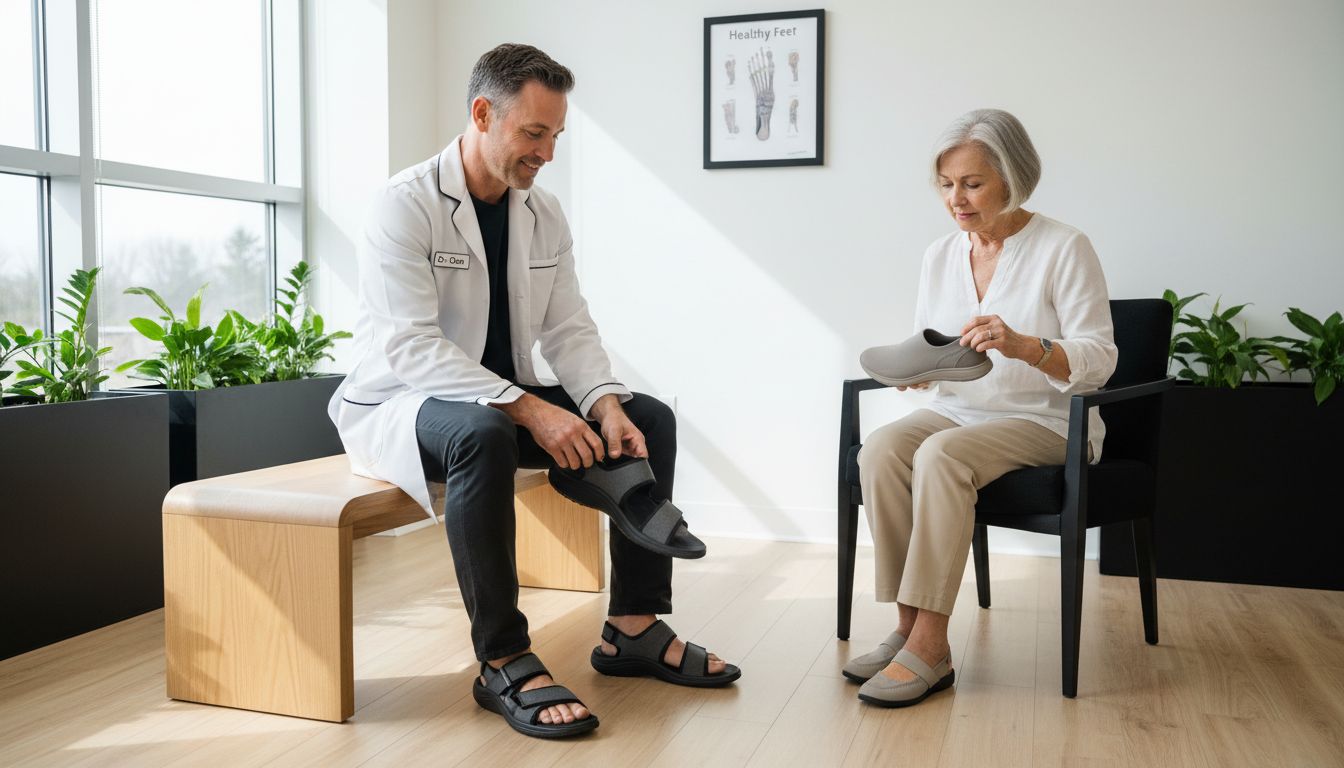
The precision of adaptive footwear in supporting foot health stems from its ability to address specific physiological requirements. Pedorthists specialise in creating customised footwear modifications that can significantly mitigate foot-related complications. These shoes incorporate advanced features designed to redistribute pressure, provide targeted support, and reduce potential injury risks.
Key mechanisms of foot health support in adaptive footwear include:
- Pressure redistribution through strategic cushioning
- Customised arch support matching individual foot structures
- Enhanced stability for individuals with balance challenges
- Reduced friction and potential wound development
- Improved circulation through ergonomic design
These sophisticated design approaches make foot health shoes critical tools in managing conditions ranging from diabetes and arthritis to neurological disorders that impact foot mechanics. By offering personalised biomechanical support, adaptive footwear transforms foot protection from a passive to an active health management strategy.
Latest Technologies in Footwear Comfort and Fit
The evolution of footwear technology continues to push boundaries, transforming how we understand comfort and biomechanical support. Footwear technology now incorporates sophisticated adaptive mechanisms that respond dynamically to individual movement patterns and physiological needs.
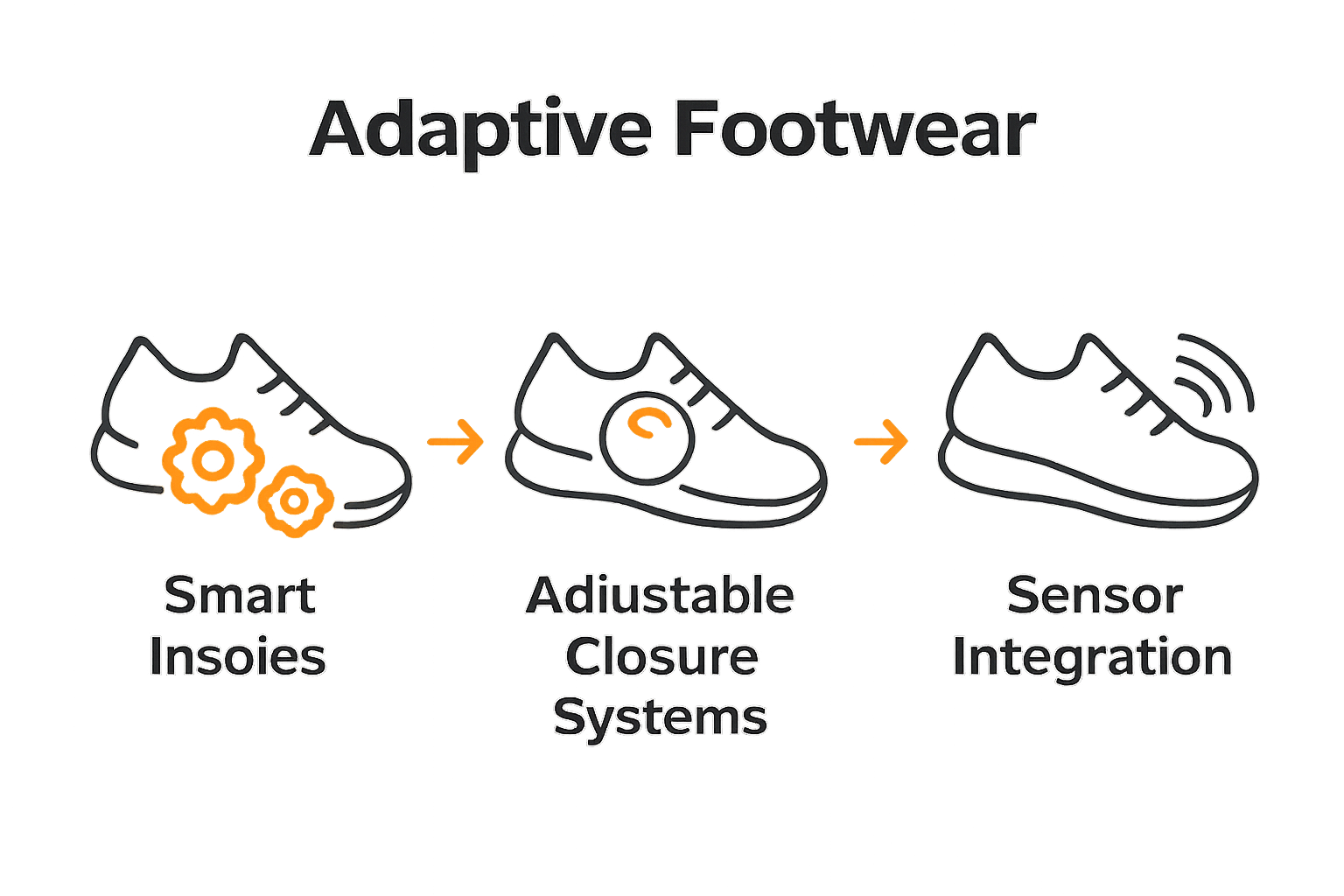
Cutting-edge innovations are revolutionising shoe design through intelligent material science. Adaptive robotic foot technologies demonstrate remarkable potential, with systems capable of varying shape and stiffness in response to external forces. These developments suggest a future where footwear becomes an active, responsive extension of human biomechanics rather than a passive protective layer.
Key technological advancements in footwear comfort include:
- Intelligent pressure mapping sensors
- Shape-memory materials that adapt to foot contours
- Micro-adjusting support structures
- Temperature-responsive fabric technologies
- Biomechanical energy return systems
Neuromechanical control systems, such as those developed for bilateral ankle exoskeletons, showcase how sophisticated adaptive technologies can reduce biological joint strain while enhancing overall movement efficiency. These innovations represent a paradigm shift towards footwear that actively collaborates with human physiology, promising unprecedented levels of personalised comfort and performance.
Choosing Suitable Adaptive Footwear for Your Needs
Selecting the right adaptive footwear requires a thoughtful approach that considers individual physical needs, mobility challenges, and lifestyle requirements. Adaptive shoe designs offer specialised features that make footwear more accessible, particularly for individuals with limited mobility or specific medical conditions.
The selection process involves carefully evaluating several critical factors. Adaptive footwear technologies provide solutions across different categories, making it essential to match specific shoe characteristics with individual needs. Key considerations include mobility limitations, foot structure, existing medical conditions, and personal comfort preferences.
Critical evaluation criteria for selecting adaptive footwear include:
- Ease of putting on and removing shoes
- Adjustable fastening mechanisms
- Customisable width and fit options
- Specific support for individual foot conditions
- Compatibility with orthotics or medical devices
- Lightweight and flexible construction
- Breathable materials
People with specific medical conditions such as diabetes, arthritis, or neurological disorders require particularly nuanced shoe selection strategies. Shoes designed for problem feet can significantly improve daily comfort and reduce potential complications, transforming footwear from a mere accessory to an essential health management tool.
Step Into Comfort and Confidence with Adaptive Footwear Solutions
Understanding the vital role of adaptive footwear in enhancing personal mobility and foot health can transform the way you approach everyday comfort. If you face challenges such as limited mobility, foot pain, or specific medical conditions like arthritis or diabetes, you deserve shoes that respond to your unique needs with advanced support and effortless accessibility. Our selection at YDA UK integrates cutting-edge innovations inspired by the latest footwear technology to reduce strain, improve stability and help you move with greater freedom.
Discover the difference that specialised features like adjustable fittings, pressure redistribution, and ergonomic designs can make by exploring our range of health-focused, stylish shoes. Do not wait to elevate your foot health and daily comfort. Visit YDA UK today and find your perfect adaptive footwear partner designed to empower your every step.
Frequently Asked Questions
What is adaptive footwear?
Adaptive footwear is specially designed footwear that addresses unique physical needs and challenges, enhancing comfort, support, and accessibility for individuals with diverse mobility requirements.
How does adaptive footwear support foot health?
Adaptive footwear promotes foot health by redistributing pressure, providing customised arch support, enhancing stability, reducing friction, and improving circulation, making it beneficial for individuals with conditions like diabetes and arthritis.
What are the key types of adaptive footwear?
Key types of adaptive footwear include medical, athletic, and everyday options. Medical footwear focuses on health condition support, athletic shoes aid performance and movement, while everyday options blend functionality with style.
What factors should I consider when choosing adaptive footwear?
When selecting adaptive footwear, consider factors such as ease of use, adjustable fastening mechanisms, customisable width, specific support for foot conditions, compatibility with orthotics, and the materials used for comfort and breathability.