
Unisex Support Footwear: Comfort for Every Step
Most british shoppers now expect support footwear to be both inclusive and versatile. With nearly 60 percent of adults experiencing foot discomfort at some point, comfort and adaptability have become top priorities. Modern unisex options have gained momentum, meeting the needs of all foot types while challenging outdated notions of gendered shoe design. Discover how british brands and global experts are redefining support footwear for everyone’s unique comfort and style.
Table of Contents
- What Defines Unisex Support Footwear Today
- Key Features Promoting Foot Health and Comfort
- Major Types and Style Variations Available
- Benefits for Everyday and Specialist Users
- Choosing the Right Fit and Common Pitfalls
Key Takeaways
| Point | Details |
|---|---|
| Unisex Design | Unisex support footwear prioritises functional neutrality, catering to diverse foot shapes and support requirements. |
| Key Features | Important characteristics include ergonomic design, adjustable support, and advanced cushioning technologies for enhanced comfort. |
| Variety of Styles | The footwear ranges from athletic performance shoes to casual comfort designs, targeting different functional needs while maintaining a neutral aesthetic. |
| Selecting the Right Fit | Proper fit is essential, considering individual biomechanical needs and avoiding aesthetic preferences that compromise functionality. |
What Defines Unisex Support Footwear Today
Unisex support footwear represents a revolutionary approach to shoe design, moving far beyond traditional gender-specific styling. At its core, unisex design emphasises functional neutrality and shared use, creating shoes that serve diverse individuals with varying foot shapes and support requirements. This approach challenges conventional footwear manufacturing by prioritising universal comfort and adaptability.
The modern definition of unisex support footwear centres on three fundamental principles: structural versatility, inclusive sizing, and biomechanical performance. Unlike traditional gendered shoe models, these designs feature neutral colour palettes, standardised width ranges, and adaptive fit technologies that accommodate different foot anatomies. By eliminating restrictive gender-based design constraints, manufacturers can create shoes that provide consistent support across diverse user groups.
Key characteristics of contemporary unisex support footwear include:
- Ergonomic design accommodating multiple foot shapes
- Adjustable support mechanisms
- Neutral aesthetic profiles
- Inclusive sizing options
- Advanced cushioning technologies
Moreover, these shoes reflect a broader societal shift towards gender-neutral clothing and design principles, recognising that foot health and comfort should not be limited by traditional gender categorisations. By focusing on individual biomechanical needs rather than outdated stereotypes, unisex support footwear represents a progressive approach to personal mobility and comfort.
Key Features Promoting Foot Health and Comfort
Foot health is a complex interplay of biomechanical support, comfort, and individualised design. When selecting unisex support footwear, consumers should prioritise comprehensive features that enhance everyday comfort, ensuring maximum performance and physiological well-being.
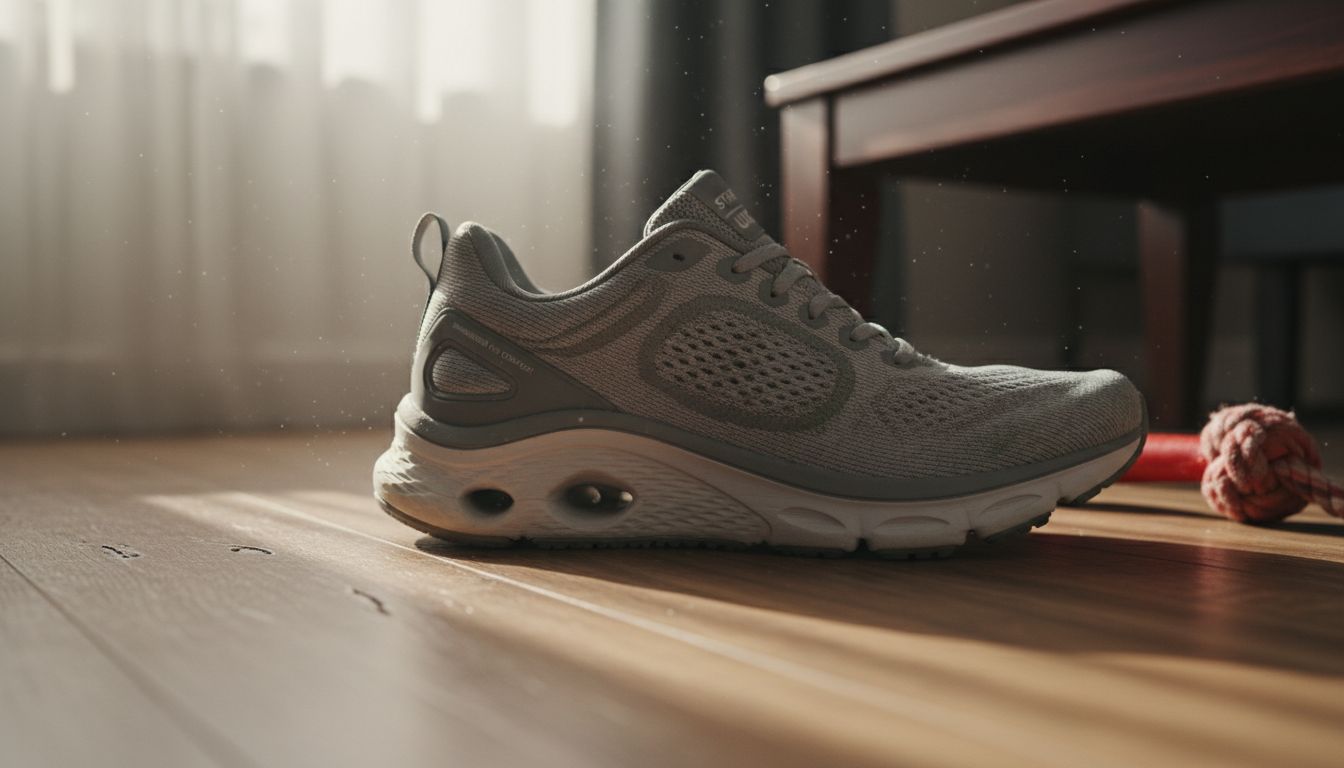
The most critical features promoting foot health include advanced cushioning systems, ergonomic arch support, and adaptive material technologies. These elements work synergistically to distribute body weight, reduce pressure points, and accommodate natural foot movement. Innovative design principles now focus on creating shoes that adapt to individual biomechanical requirements, moving beyond traditional one-size-fits-all approaches.
Key technological innovations in foot health footwear encompass:
- Pressure-mapping cushioning zones
- Breathable moisture-wicking materials
- Dynamic heel and forefoot support structures
- Flexible yet stable sole compositions
- Customisable fit mechanisms
Moreover, contemporary unisex support footwear integrates scientific understanding of foot biomechanics with cutting-edge manufacturing techniques. By prioritising individual comfort and physiological needs, these shoes represent a significant advancement in personal mobility and long-term foot health management.
Major Types and Style Variations Available
Unisex support footwear has evolved dramatically, offering a diverse range of styles that cater to different functional needs and aesthetic preferences. Performance shoe designs now encompass multiple categories, ensuring individuals can find footwear that matches both their physiological requirements and personal style sensibilities.
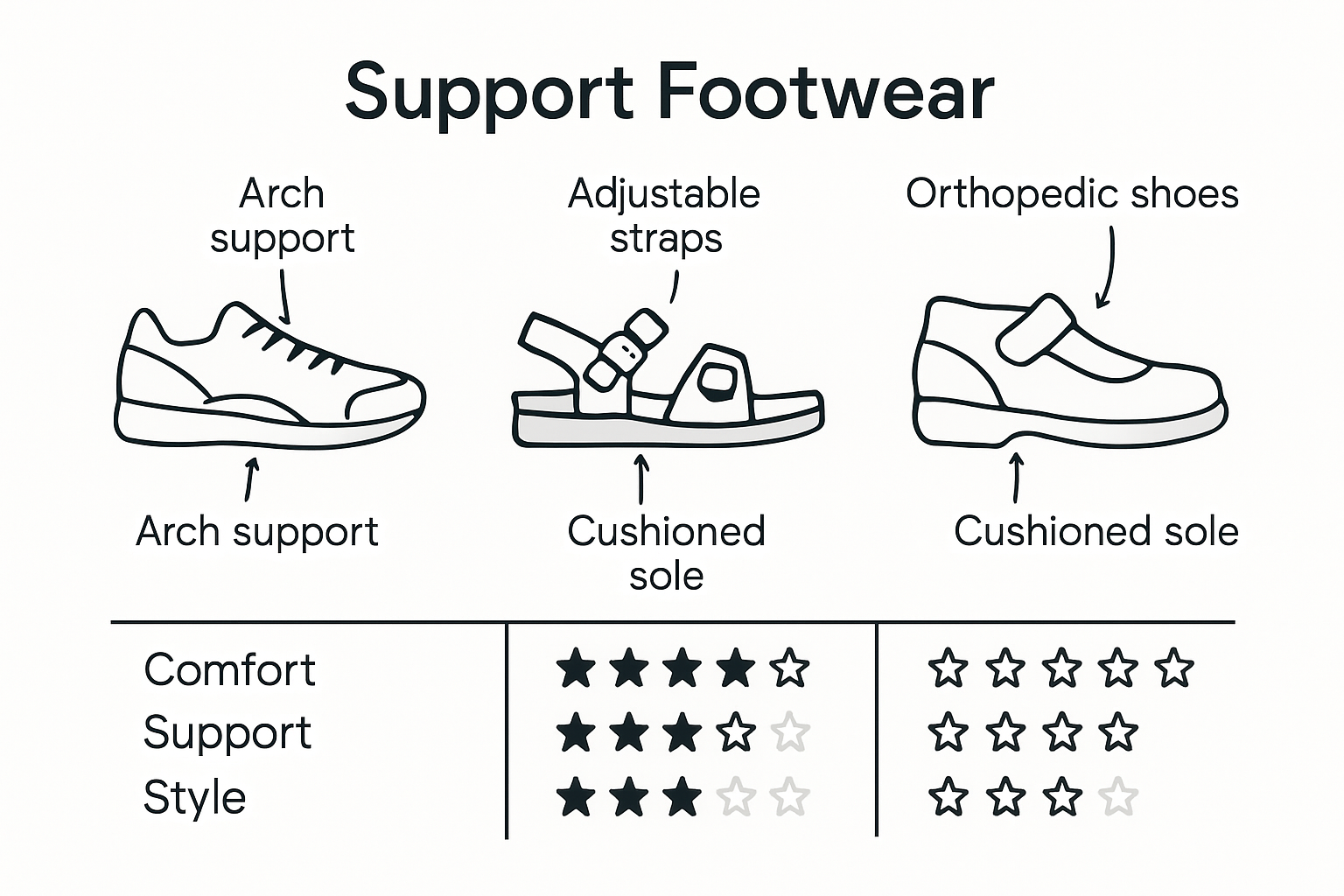
The primary categories of unisex support footwear include athletic performance shoes, casual comfort designs, orthopedic support models, and versatile hybrid footwear. Each category addresses specific biomechanical needs while maintaining a neutral aesthetic approach. Athletic performance shoes focus on high-intensity movement support, whereas casual comfort designs prioritise everyday wearability and ergonomic construction.
Detailed style variations within unisex support footwear encompass:
- Minimalist lightweight runners
- Robust trail and outdoor exploration shoes
- Professional workplace comfort footwear
- Rehabilitation and therapeutic shoe designs
- Adaptive technology-enhanced models
Moreover, contemporary unisex support footwear transcends traditional design limitations by incorporating adjustable features, inclusive sizing options, and advanced material technologies. These innovations ensure that individuals can select footwear that provides personalised support, irrespective of gender, foot shape, or specific mobility requirements.
Benefits for Everyday and Specialist Users
Unisex support footwear delivers exceptional advantages across diverse user groups, from everyday consumers to specialised professionals. Orthopedic ergonomic walking shoes provide targeted support for individuals managing complex foot conditions, addressing both mobility challenges and comfort requirements.
For everyday users, universal design principles ensure comprehensive biomechanical support that adapts to varied activity levels and personal movement patterns. Specialist users, such as healthcare professionals and athletes, benefit from advanced technological features that enhance performance and reduce physical strain. Medical professionals can leverage specialised unisex footwear designed for demanding workplace environments, featuring attributes like waterproof materials, anti-slip soles, and lightweight construction.
Key benefits across user categories include:
- Reduced muscular and joint fatigue
- Enhanced postural alignment
- Improved shock absorption
- Customisable fit mechanisms
- Versatile aesthetic adaptability
Moreover, unisex support footwear represents a progressive approach to personal mobility, recognising that foot health transcends traditional demographic boundaries. By prioritising individual biomechanical needs over generic design constraints, these shoes offer personalised comfort and support for everyone from casual walkers to high-performance professionals.
Choosing the Right Fit and Common Pitfalls
Selecting the ideal unisex support footwear requires careful consideration of individual biomechanical needs and potential comfort challenges. Specialised gel insoles can help mitigate pressure points and musculoskeletal strain, but choosing the correct base shoe remains paramount for optimal foot health.
Common pitfalls in unisex support footwear selection include overlooking personal foot anatomy, ignoring width variations, and prioritising aesthetic appeal over functional design. Consumers must understand that proper fit extends beyond numerical shoe size, encompassing arch support, heel cup depth, toe box width, and material flexibility. Professional measurement and gait analysis can provide critical insights into individual foot mechanics, helping prevent potential long-term discomfort or mobility issues.
Key considerations when selecting unisex support footwear include:
- Comprehensive foot measurement
- Assessment of arch type and pronation
- Understanding individual movement patterns
- Evaluating material breathability
- Checking flexibility and support balance
Moreover, successful footwear selection involves recognising that no single shoe suits every individual perfectly. Consumers should prioritise adaptable designs with customisation options, allowing for personalised adjustments that accommodate unique physiological requirements and support needs.
Step into Unisex Support Footwear Designed for True Comfort
Choosing the right footwear that supports your unique foot anatomy and movement is essential for maintaining foot health and comfort every day. This article highlights common challenges such as poor fit, limited adjustability, and lack of versatile design that can lead to discomfort and fatigue. If you seek ergonomic support, advanced cushioning, and adaptability in one shoe, the right choice is here.
Discover a wide selection of footwear engineered with unisex design principles and cutting-edge technology at Shoes – YDA UK.
Explore innovative shoes that combine style and supreme comfort for all walks of life at https://ydauk.com. Act now to enjoy footwear that understands your every step and elevates your foot health journey. Start your personalised comfort experience today by browsing Womens – YDA UK and find the perfect fit that supports you every step of the way.
Frequently Asked Questions
What are the key features of unisex support footwear?
Unisex support footwear features ergonomic designs, adjustable support mechanisms, neutral aesthetic profiles, inclusive sizing options, and advanced cushioning technologies that cater to various foot shapes and support requirements.
How does unisex footwear promote foot health?
Unisex footwear promotes foot health through advanced cushioning systems, ergonomic arch support, and adaptive material technologies that work together to distribute body weight, reduce pressure points, and accommodate natural foot movement.
What types of unisex support footwear are available?
The main types of unisex support footwear include athletic performance shoes, casual comfort designs, orthopedic support models, and versatile hybrid footwear, each designed to meet specific biomechanical needs without adhering to traditional gender constraints.
How can I choose the right fit for unisex support footwear?
To choose the right fit, measure your feet comprehensively, consider your arch type and pronation, assess your individual movement patterns, and ensure the shoe offers adequate flexibility and support balance. Customisable designs can enhance personal comfort and fit.
Recommended
- Complete Guide to Why Choose Comfortable Shoes – YDA UK
- Role of Footwear in Daily Comfort: Complete Guide – YDA UK
- How to Identify Quality Footwear for Lasting Comfort – YDA UK
- 7 Key Benefits of Foot Health Shoes for Everyday Comfort – YDA UK
- How Step Tracking Motivates Consistent Physical Activity? - LeanAndFit
- Walking in Style: Must-Have Office Shoes for Women
- What Is Unisex Streetwear? Complete Style Overview – ChillStitchApparel