
Non-Binding Footwear: Comfort and Health Benefits
Every year, millions of British adults experience serious foot discomfort that could be eased with the right footwear. For people in the United Kingdom, non-binding shoes and socks are proving to be a game changer for mobility and daily comfort. Whether you are managing diabetes, sensitive feet, or simply searching for a pain-free fit, discovering the core concepts of non-binding footwear can help you make smarter choices and protect your foot health.
Table of Contents
- What Is Non-Binding Footwear? Core Concepts Explained
- Types Of Non-Binding Shoes For Foot Conditions
- Key Design Features Promoting Comfort
- Health Benefits For Diabetics And Sensitive Feet
- Comparing Non-Binding And Traditional Footwear
Key Takeaways
| Point | Details |
|---|---|
| Non-Binding Footwear Prioritises Comfort | Designed to support natural foot mechanics, reducing pressure on sensitive areas. |
| Specialised Features for Health Conditions | Non-binding shoes cater to conditions like diabetes and arthritis, promoting foot health and preventing complications. |
| Material and Design Innovations | Utilises flexible, breathable materials with ergonomic designs that facilitate movement and circulation. |
| Proactive Foot Care Recommendations | Regular foot inspections and consulting professionals for footwear advice are essential for optimal foot health. |
What Is Non-Binding Footwear? Core Concepts Explained
Non-binding footwear represents a revolutionary approach to shoe design that prioritises foot comfort and natural movement. Unlike traditional restrictive footwear, these innovative shoes and socks are engineered to provide minimal interference with the foot’s natural mechanics. Minimalist shoes, for instance, closely approximate barefoot conditions, allowing unrestricted movement and reducing unnecessary pressure on sensitive areas.
The core concept behind non-binding footwear stems from understanding human biomechanics and foot health. Particularly for individuals with specific medical conditions, such as diabetes, these specialised garments play a crucial role. Diabetic socks exemplify this approach, being designed as non-restrictive, close-fitting accessories that alleviate pressure and reduce the risk of potential foot complications.
Key characteristics of non-binding footwear include flexible materials, strategic design elements, and ergonomic construction. These shoes and socks typically feature:
- Stretchy, breathable fabrics
- Seamless interior surfaces
- Reduced elastic constriction
- Enhanced circulation support
- Adaptable fit accommodating natural foot swelling
Pro Tip for Foot Comfort: When selecting non-binding footwear, prioritise personal comfort and foot measurements over aesthetic preferences, ensuring a supportive yet unrestricted fit that promotes natural foot movement and overall foot health.
Types Of Non-Binding Shoes For Foot Conditions
Non-binding shoes designed for specific foot conditions represent a critical medical intervention for individuals managing complex foot health challenges. Special therapeutic footwear provides targeted support for various medical needs, addressing potential complications associated with conditions like diabetes, arthritis, and peripheral neuropathy.
Diabetic Footwear stands out as a primary category of non-binding shoes, engineered with precision to mitigate serious health risks. Therapeutic footwear strategies are particularly crucial in preventing foot ulceration, offering specialised design features that reduce pressure points and enhance circulation. These shoes typically incorporate:
- Extra depth for custom orthotics
- Seamless interior lining
- Soft, stretchable materials
- Adjustable closure systems
- Pressure-redistributing soles
Specialised Categories of non-binding footwear include:
- Arthritic Support Shoes: Featuring wider toe boxes and flexible materials
- Neuropathy-Friendly Footwear: Minimising friction and providing enhanced sensory protection
- Oedema Management Shoes: Accommodating natural foot swelling with expandable designs
Orthopedic Non-Binding Shoes are engineered for individuals requiring additional structural support while maintaining comfort. These shoes prioritise biomechanical alignment and pressure distribution, ensuring minimal restrictive elements that could compromise foot health.
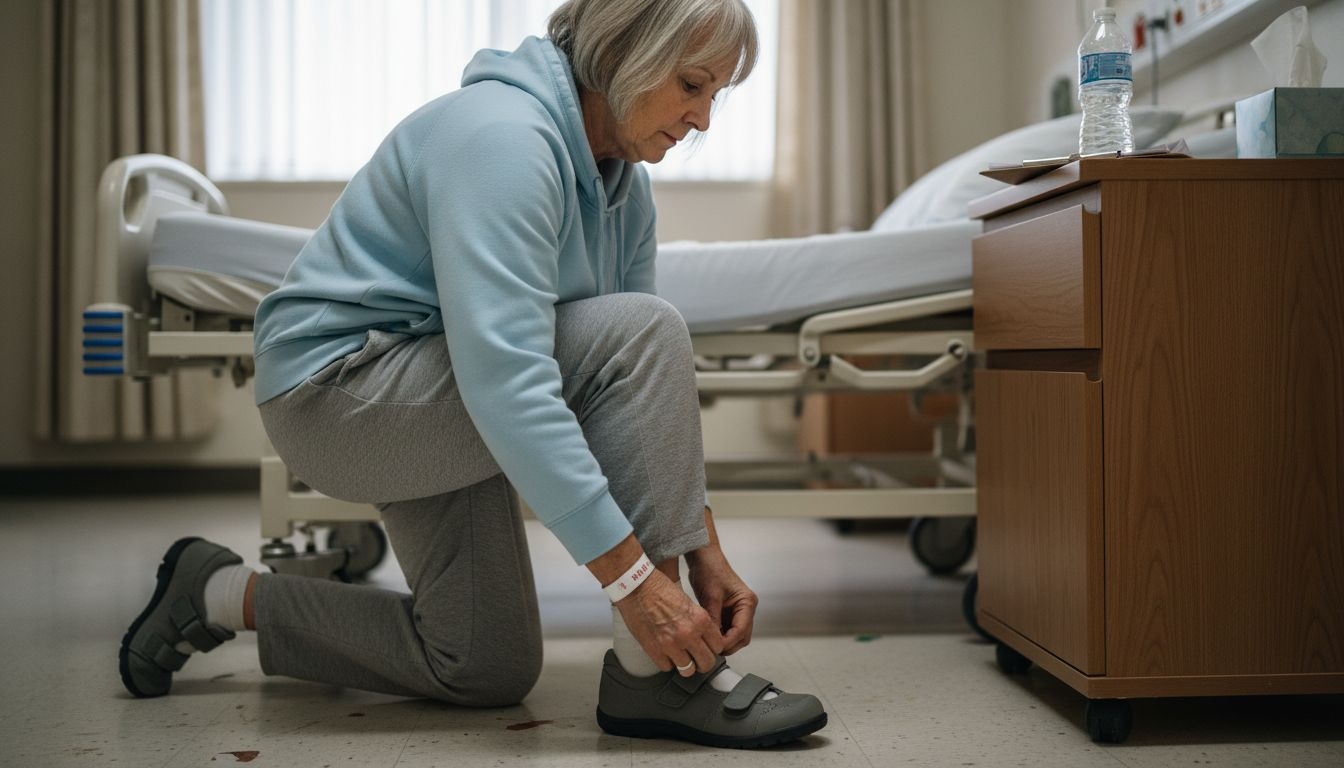
Pro Tip for Shoe Selection: Consult a podiatrist or foot health specialist to obtain personalised recommendations for non-binding footwear tailored to your specific medical condition and foot anatomy.
The following table outlines how non-binding footwear benefits people with specific common foot conditions:
| Foot Condition | Non-Binding Feature Benefit | Typical Traditional Shoe Issue |
|---|---|---|
| Diabetes | Promotes circulation, reduces ulcers | Can create pressure points, poor fit |
| Arthritis | Accommodates swelling, less friction | Tightness increases discomfort |
| Neuropathy | Enhances sensory protection | Rough seams increase irritation |
| Oedema | Expands to fit, relieves pressure | Fixed size can cause restriction |
Key Design Features Promoting Comfort
Non-binding footwear represents a sophisticated approach to shoe design, prioritising human biomechanics and comfort. Minimalist footwear features define a revolutionary category characterised by high flexibility, lightweight construction, and an innovative approach to foot movement that closely mimics natural walking patterns.
The core design elements that distinguish non-binding shoes include:
- Flexible Materials: Soft, adaptable fabrics that move with the foot
- Minimal Structure: Reduced internal supports allowing natural foot mechanics
- Breathable Composition: Advanced textiles promoting air circulation
- Zero-Drop Profiles: Eliminating heel elevation for balanced posture
- Adaptive Fit Systems: Accommodating natural foot shape variations
Therapeutic footwear technologies have further refined comfort-oriented design, introducing sophisticated elements like total-contact inserts and specialised sole configurations. These innovations address specific medical requirements while maintaining exceptional comfort levels. Advanced shoe designs now incorporate ergonomic principles that distribute pressure evenly, reduce friction, and support natural foot movement.
Beyond physical construction, modern non-binding shoes integrate biomechanical research to create footwear that functions as an extension of the human foot. Strategic padding, precision-engineered arch supports, and intelligent material selections work harmoniously to provide a sensation of weightlessness and unrestricted movement.
Pro Tip for Comfort Selection: Always prioritise personal foot anatomy and movement patterns when selecting non-binding footwear, recognising that individual comfort varies significantly between different body types and activity levels.
Health Benefits For Diabetics And Sensitive Feet
Diabetic foot health represents a critical medical challenge requiring specialised footwear solutions. Therapeutic footwear strategies are increasingly recommended to mitigate serious complications associated with diabetes, particularly the prevention of potentially devastating foot ulcers.
Key health benefits for individuals with diabetes and sensitive feet include:
- Pressure Distribution: Reducing localised stress on vulnerable foot areas
- Enhanced Circulation: Promoting blood flow through strategic design
- Friction Minimisation: Preventing skin abrasions and potential wound development
- Sensory Protection: Shielding vulnerable feet from external irritants
- Structural Support: Maintaining proper foot alignment and reducing deformity risks
Diabetes-focused footwear interventions demonstrate substantial potential in preventing foot ulceration, a significant concern for diabetic patients. Advanced non-binding shoes incorporate sophisticated features like seamless interior linings, extra depth for custom orthotics, and moisture-wicking materials that address multiple health requirements simultaneously.
Beyond physical protection, these specialised shoes contribute to psychological well-being by restoring confidence and mobility. Individuals with sensitive feet can experience reduced pain, improved comfort, and greater independence through carefully designed footwear that respects their unique physiological needs.
Pro Tip for Diabetic Foot Care: Regularly inspect your feet and shoes for any signs of wear, pressure points, or potential irritation, and consult healthcare professionals about personalised footwear recommendations.
Comparing Non-Binding And Traditional Footwear
Traditional footwear and non-binding shoes represent fundamentally different approaches to foot support and movement. Therapeutic footwear technologies demonstrate significant innovations that challenge conventional shoe design principles, particularly for individuals with specific medical requirements.
Key differences between non-binding and traditional footwear include:
- Structural Rigidity: Traditional shoes often feature rigid constructions, while non-binding shoes prioritise flexibility
- Pressure Management: Non-binding designs distribute weight more evenly
- Movement Restriction: Traditional shoes frequently limit natural foot mechanics
- Material Composition: Non-binding footwear uses advanced, adaptive materials
- Biomechanical Alignment: Non-binding shoes support natural foot movement patterns
Special therapeutic footwear interventions highlight the critical distinctions between conventional and specialised shoe designs. Traditional footwear typically focuses on aesthetic appeal and basic protection, whereas non-binding shoes integrate advanced ergonomic principles that prioritise foot health, circulation, and natural movement.
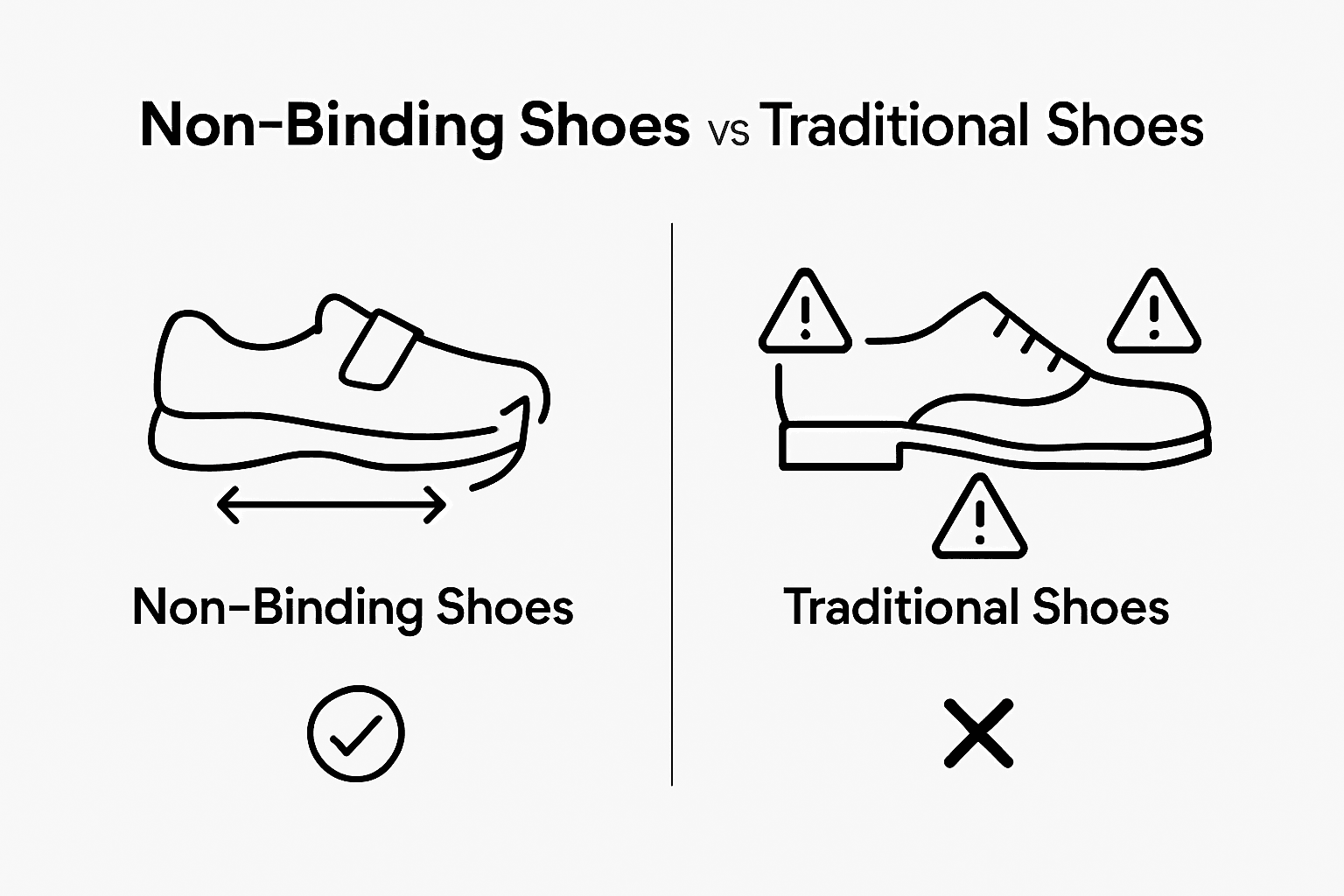
The evolution of footwear design demonstrates a profound shift from purely cosmetic considerations to a more holistic understanding of foot biomechanics. Non-binding shoes represent a sophisticated approach that considers individual physiological needs, offering enhanced comfort, reduced injury risks, and improved overall foot health.
Here is a summary comparing traditional and non-binding shoes in terms of user experience and health impact:
| Aspect | Non-Binding Shoes | Traditional Shoes |
|---|---|---|
| Comfort | Customised, adaptive fit | Often rigid, generic fit |
| Foot Health Result | Lower risk of complications | Increased risk of issues |
| Movement Freedom | Closely mimics natural gait | Can restrict movement |
| Material Innovation | Uses modern stretchy fabrics | Mainly conventional |
Pro Tip for Footwear Selection: Always prioritise functional comfort and biomechanical support over purely aesthetic considerations when selecting shoes.
Experience Ultimate Foot Comfort with Non-Binding Footwear Solutions
If you are struggling with foot discomfort caused by restrictive shoes or managing conditions like diabetes, arthritis, or neuropathy, finding footwear that supports your natural foot movement is essential. Non-binding footwear offers flexible materials, seamless interiors, and pressure-relieving designs that promote circulation and reduce irritation. Discover how you can benefit from advanced YDA technology that merges style with specialised foot health innovations.
Take control of your foot health today by exploring the stylish and comfortable options available at https://ydauk.com. Find footwear designed to accommodate your unique needs with adaptable fit systems and ergonomic features that help you move naturally and confidently every day. Shop now and make the step towards enhanced comfort and wellbeing.
Frequently Asked Questions
What is non-binding footwear?
Non-binding footwear is designed to prioritise comfort and natural movement, featuring minimal interference with the foot’s mechanics. These shoes and socks are made from stretchy, breathable materials, offering benefits for individuals with specific medical conditions.
How does non-binding footwear benefit diabetic patients?
Non-binding footwear promotes better circulation, reduces the risk of foot ulcers, and minimises friction, making it crucial for diabetic patients who need to manage their foot health carefully.
What features should I look for in non-binding footwear?
When selecting non-binding footwear, look for flexible materials, seamless interiors, adjustable closures, and designs that accommodate natural foot swelling. These features contribute to overall comfort and foot health.
How do non-binding shoes compare to traditional footwear?
Non-binding shoes offer a more customised and adaptive fit, distributing pressure evenly and mimicking natural foot movement, while traditional footwear often restricts movement and focuses primarily on aesthetic appeal.